Nobody Told You This $12B Startup Actually Fixed It. Here's Proof.
In this article
Bottom line: Deel, a remote-work payroll and compliance startup, hit a $12 billion valuation in 2023 by solving a problem almost nobody names out loud — how to legally pay someone in another country without opening a local company there.
It now handles compliant hiring and payroll in more than 150 countries for tens of thousands of businesses.
This isn't a productivity hack or a lifestyle trend piece — it's the unglamorous plumbing that makes the "work from anywhere" fantasy actually function.
If you've ever chased an invoice across three time zones, or watched a friend's dream job abroad collapse into a tax nightmare, this is the story of who quietly fixed it, and what that says about how we work now.
I once spent four months trying to get paid by a client in Berlin while living in a rented flat in Lisbon.
Not because the client didn't want to pay me — they did, immediately, enthusiastically, the way clients do when they like your work.
The problem was that nobody involved, including two accountants and a very patient bank clerk, could agree on what I legally was.
A freelancer? A contractor? An unregistered foreign employee accidentally triggering German tax residency rules?
I never found out. I just eventually got paid in a lump sum that made my accountant wince.
I tell you this not because it's remarkable. It's the opposite. It's boringly, universally common, which is exactly why it matters.
The Problem Nobody Wanted to Solve
Here's the part of the "digital nomad" story that never makes it into the YouTube video: the lifestyle got way ahead of the paperwork. Portugal, Spain, Croatia, Estonia, Indonesia, Costa Rica — over a dozen countries rolled out digital nomad visas between 2021 and 2023, essentially inviting the world to come live somewhere warmer and work somewhere else.
The marketing was gorgeous. The infrastructure behind it was not.
Companies wanted to hire the best person for the job, wherever that person happened to live. But hiring someone in another country isn't a vibe — it's a legal act.
It usually means opening a local entity, registering for local tax, learning local labor law, and handling payroll in a currency your finance team has never touched.
For a small company, that can cost tens of thousands of dollars and take months, just to hire one person in Lisbon.
So most companies didn't do that. They did what I did to my own invoicing: they improvised. They misclassified employees as contractors.
They paid people through PayPal and hoped for the best. A 2022 study by the U.S.
Department of Labor estimated that worker misclassification costs governments billions in lost tax revenue every year — and that's before you count the individual people left with no health coverage, no local pension contributions, no protection if the relationship soured.
The dream was "work from anywhere." The reality was "get paid from nowhere, technically."
The Reframe: It Was Never a People Problem
The instinct, when something like this breaks, is to blame the workers — too demanding, too scattered, too used to being coddled by flexible hours. That's the wrong read entirely.
The people adapted years before the systems did. Workers figured out how to be productive from a co-working space in Chiang Mai or a kitchen table in Porto almost overnight, once the pandemic forced the experiment.
What didn't move nearly as fast was the back office — the unglamorous machinery of compliance, tax withholding, and legal employment status that has to exist underneath any paycheck, anywhere.

This is the pattern that shows up again and again in how we actually live now: the culture changes in a season; the infrastructure takes a decade. Dating apps outran the etiquette for using them.
Streaming outran the economics of paying artists fairly. And remote work outran the plumbing required to pay people who'd moved somewhere new.
Deel's founders, Alex Bouaziz and Shuo Wang, built the company in 2019 on a fairly unglamorous bet: instead of asking companies to become legal experts in 150 countries, become the legal entity yourself, in all 150 countries, and rent that infrastructure out.
It's called an "Employer of Record" model — Deel technically employs the worker on paper in their home country, handling tax, benefits, and compliance, while the client company manages the actual work.
By 2023, that unglamorous bet was valued at $12 billion.
Nobody put that on a vision board. It solved the problem anyway.
The Framework: The Three-Layer Remote Work Stack
You don't need to run a company to use this.
Whether you're the one hiring across borders or the one being hired, here's a way to check whether a remote arrangement is actually solid, or just held together with good intentions.
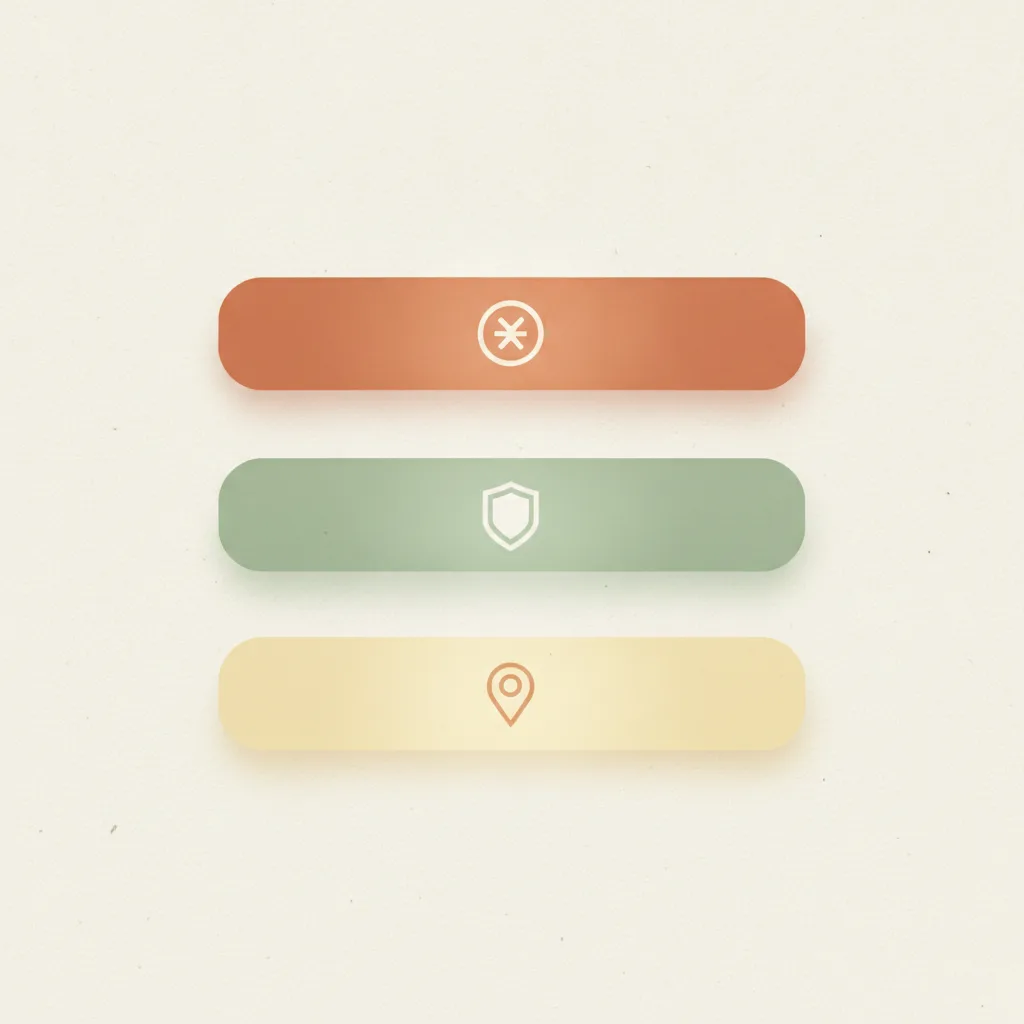
I call it the Three-Layer Remote Work Stack — Pay, Protection, Place.
Layer One: Pay
Ask the boring question early: who is legally employing you, and where? Not "who do I report to," but which entity, in which country, is responsible for your taxes and withholding.
If nobody can answer that clearly in one sentence, that's your answer.
Layer Two: Protection
This is the layer people skip because it isn't fun to think about.
Health coverage, local pension or retirement contributions, statutory leave — do these exist for you in the country you're actually living in, or only in the country your contract was written in?
A contractor agreement with a company overseas often means none of this applies to you at all.
Layer Three: Place
The visa or residency status you're on should match the work you're doing. A tourist visa is not a work visa, no matter how many YouTube videos suggest otherwise.
Digital nomad visas exist precisely because governments got tired of pretending not to notice.
If any one of these three layers is missing, you're not living the laptop lifestyle.
You're improvising it, the way I improvised my Lisbon invoicing — hoping nobody asks the hard question until you're already gone.
What This Looks Like in Practice
A friend of mine, a UX designer, took a fully remote role with a Toronto-based startup last year while relocating to Spain under its new remote work visa.
Her contract was routed through an Employer of Record arrangement rather than a straight overseas contractor deal.
The difference showed up in small, unglamorous ways: Spanish social security contributions were handled automatically.
Her payslip arrived in euros, on the same date every month, with tax already withheld correctly.
When she needed a letter proving formal employment for her landlord, it existed — because on paper, she legally was employed, not just informally paid.
None of that is a lifestyle upgrade you'd film for a YouTube channel. It's not the infinity pool or the coworking rooftop.
It's the difference between a life you can actually build on and one that collapses the moment someone asks a compliance question.
Try this today if you're weighing a remote or overseas role: ask, in writing, which of the three layers apply to you, and get the answer before you sign anything — not after you've already found the apartment.
The Part Nobody Puts in the Highlight Reel
We've gotten very good at selling the aesthetics of the remote life — the light, the coffee, the view from somewhere else.
We've been much slower to talk about the plumbing underneath it, maybe because plumbing has never been aspirational.
But the companies quietly building that plumbing are arguably doing more to make this lifestyle real, rather than performative, than anyone posting from a beach.
I got paid eventually, for the record. Just not on time, and not without three accountants and a small amount of my dignity.
Have you ever had a remote arrangement — a job, a freelance gig, a "just move here and figure it out" moment — where the paperwork couldn't keep up with the life you were actually trying to live?
I'd love to hear how you sorted it out. Or didn't.