Stop Using YouTube
Bottom line: YouTube's centralized power, driven by an insatiable ad-revenue model and opaque algorithms, has quietly eroded creator autonomy and user privacy for years.
PeerTube, a free, federated, and decentralized video platform built on open web standards, offers a viable, privacy-first alternative that puts control back into the hands of creators and communities.
While still maturing, its rapid growth and robust feature set mean that by mid-2028, ignoring decentralized video will be a strategic misstep for anyone serious about digital freedom and sustainable content creation.
I deleted YouTube from my phone and every smart device in my home last year. All of it.
What happened over the next 12 months wasn't just a digital detox; it fundamentally rewired how I think about online video, content ownership, and the insidious cost of "free" platforms — and exposed the massive, centralized video industry that’s been subtly shaping our perceptions and stifling true creativity for over a decade.
For years, I was a loyal YouTube user, like billions of others. It was the default. The go-to.
If I wanted to learn how to fix a leaky faucet, watch a documentary, or catch up on my favorite creators, it was always YouTube.
But beneath the surface of endless content and convenience, a more sinister reality was taking hold.
Creators were getting demonetized without warning, algorithms pushed increasingly divisive content, and user data was constantly harvested to fuel an advertising behemoth.
The platform wasn't just a host; it was a gatekeeper, a censor, and a silent partner in every transaction, dictating terms no one truly agreed to.
This isn't just about ads or algorithm tweaks anymore. We're talking about a fundamental power imbalance that has silently shifted the landscape of online media.
By July 2026, YouTube holds an iron grip on over 75% of online video consumption globally, giving it unprecedented control over information flow, creator livelihoods, and even cultural narratives.
This centralized authority isn't just a theoretical problem; it has real, tangible consequences.
Content creators live in constant fear of demonetization or channel termination, often for reasons that are vague or inconsistent.
Viewers are funneled into algorithmic echo chambers, inadvertently radicalized or simply bored by an endless stream of similar content designed to maximize watch time, not intellectual curiosity.
The illusion of choice masks a profound lack of true autonomy.
Everyone assumes YouTube is an unavoidable monopoly, a digital utility too big to fail or replace. They believe its sheer scale and network effects make any alternative a pipe dream.
But this conventional wisdom is deeply flawed, rooted in a pre-decentralization mindset.
The mainstream view misses a crucial point: the internet was designed to be decentralized. We just allowed it to centralize out of convenience.
The idea that a single corporation should control the vast majority of human-generated video content is not only precarious from a technical standpoint (a single point of failure), but it’s antithetical to the very spirit of an open web.
We've become so accustomed to the walled gardens that we've forgotten the open fields that once existed, and are being rapidly replanted.
The flaw in the "YouTube is inevitable" argument lies in underestimating the growing desire for autonomy, privacy, and censorship resistance.
The rising tide of Web3 technologies, blockchain, and decentralized protocols isn't just a niche tech trend; it's a philosophical shift.
People are increasingly wary of platforms that demand their data, dictate their speech, and profit disproportionately from their labor.
The idea that a platform can arbitrarily pull the plug on a creator's livelihood, or remove content based on shifting, often politically charged, guidelines, is becoming intolerable.
This isn't just about finding another video site; it's about reclaiming the internet's original promise.
The Decentralized Video Imperative
To truly understand the shift away from platforms like YouTube, we need a new mental model.
I call it The Decentralized Video Imperative – a three-layered framework that explains why alternatives like PeerTube are not just desirable, but essential for the future of online content.
This framework moves beyond simple feature comparisons and dives into the core principles driving this evolution.
#### Reclaiming Control for Creators and Viewers
The first layer of the Imperative is about Reclaiming Control. For too long, content creators have been tenants, not owners, on platforms like YouTube.
Their content, their audience, and their monetization all exist at the whim of a corporate entity.
A sudden algorithm change can decimate views, an opaque policy update can lead to demonetization, and a simple copyright claim (sometimes malicious) can take down years of work. This isn't sustainable.
PeerTube, being open-source and self-hostable, allows creators to truly own their content and their platform.
They choose their moderation policies, their monetization methods (if any), and their community guidelines. For viewers, it means control over their data and their recommendations.
No more manipulative algorithms pushing specific agendas; instead, viewers can subscribe to instances (individual servers) that align with their values and interests, fostering more genuine engagement.
#### The Federation Advantage: Resisting Single Points of Failure
The second layer is The Federation Advantage. This is where PeerTube truly shines, and it's a concept often misunderstood by those used to centralized services.
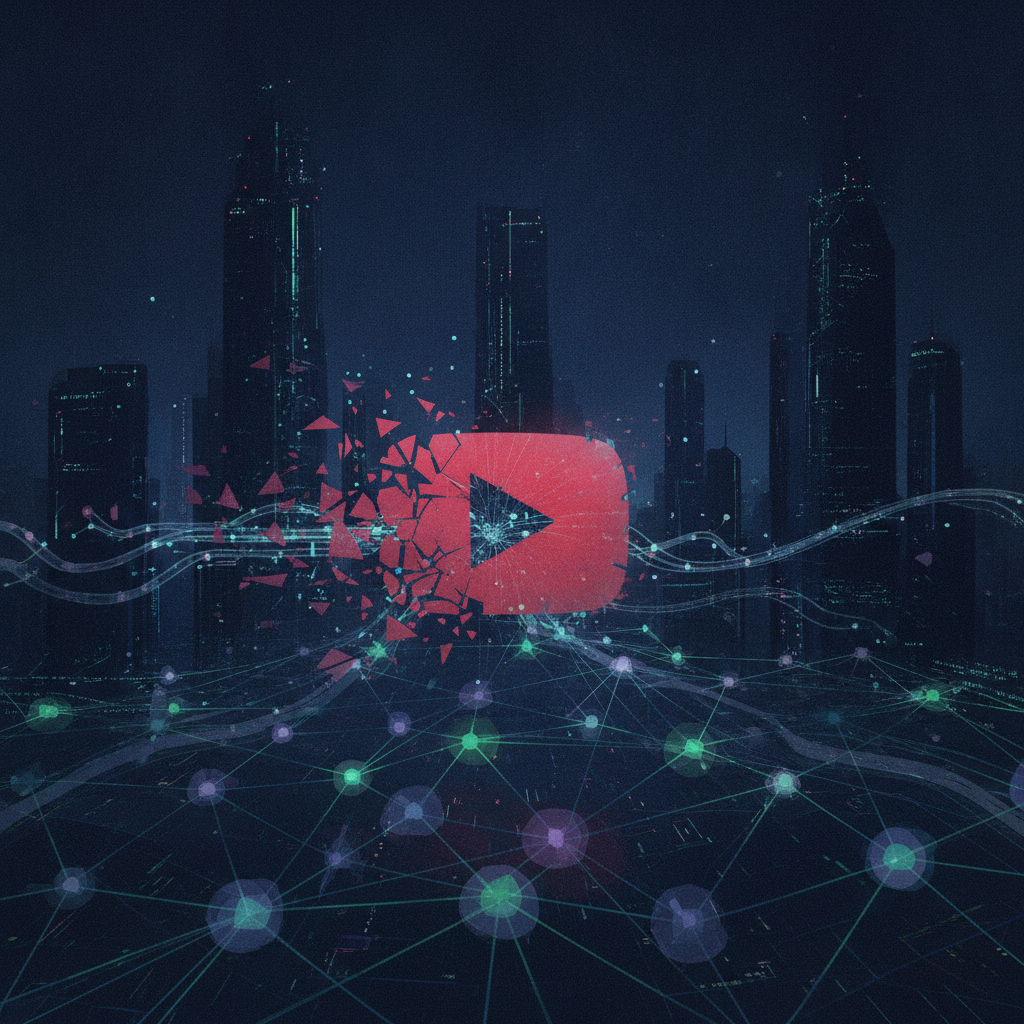
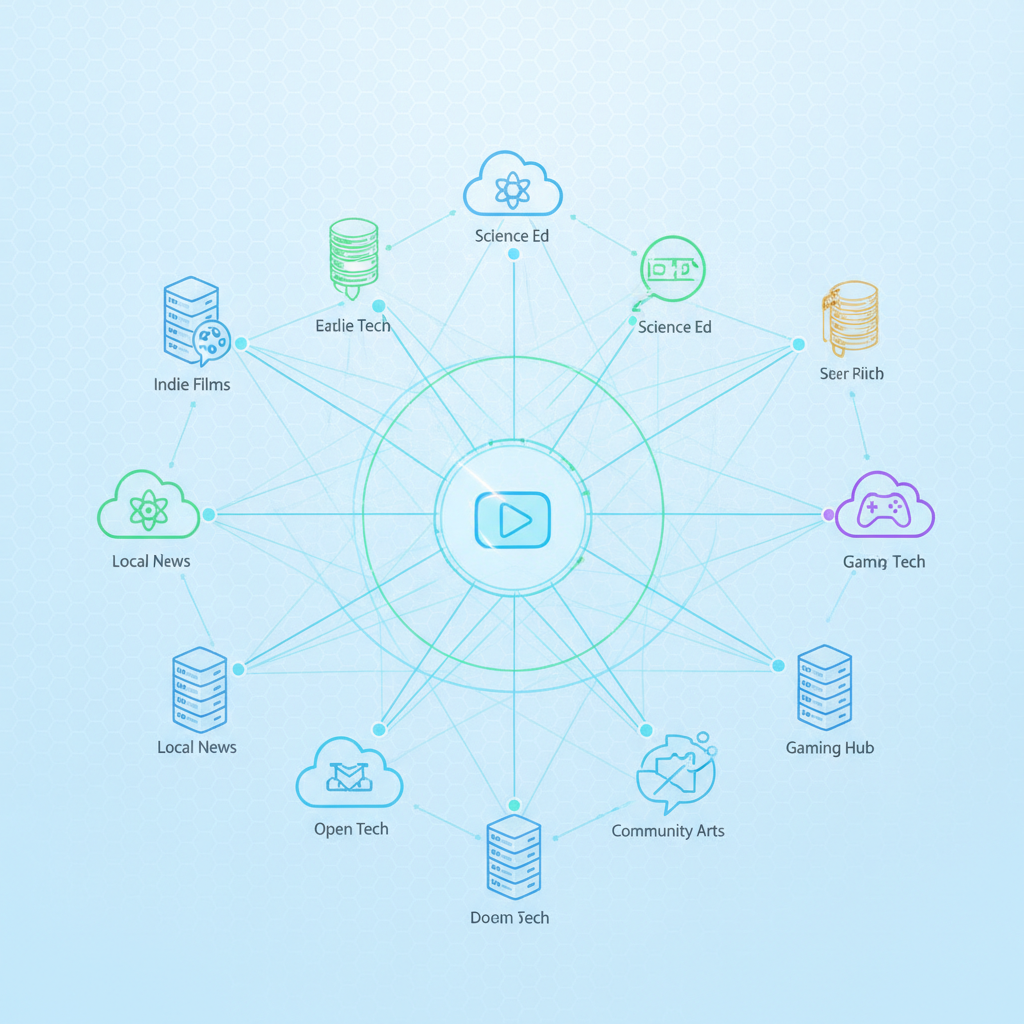
PeerTube isn't one giant server; it's a network of independent servers, called "instances," that can communicate and share videos with each other.
Think of it like email: you can have a Gmail account, and I can have an Outlook account, but we can still send emails to each other.
Similarly, a video uploaded to one PeerTube instance can be viewed by users on any other federated PeerTube instance. This "federation" is key.
If one instance goes down or decides to censor content, the entire network doesn't collapse.
Content can live on multiple instances, making it highly resilient to censorship and single points of failure.
It's a distributed, community-driven approach to content hosting that embodies the true spirit of the internet.
By mid-2027, this model will be seen as the gold standard for robust, censorship-resistant online media.
#### Building a New Economy: Beyond Ad-Revenue
The final layer is Building a New Economy.
The current YouTube model is almost entirely reliant on advertising, which creates perverse incentives: maximize watch time at all costs, even if it means promoting sensational or low-quality content.
This ad-driven model also puts immense pressure on creators to constantly chase trends and appeal to advertisers, often at the expense of their authentic voice.
PeerTube, by design, breaks free from this. Instances can be funded by donations, subscriptions, grants, or simply by individuals or communities who want to host content for free.
Creators can integrate direct support mechanisms or explore decentralized monetization models (like Web3 tokens or direct patron support) without a corporate middleman taking a massive cut.
This fosters a more diverse, stable, and creator-centric economy where value is exchanged directly between content producer and consumer, rather than filtered through an ad network.
It's about empowering creators to build sustainable livelihoods on their own terms, not YouTube's.
Real-World Implications
This shift isn't just theoretical; it has profound implications for everyone involved in the digital ecosystem, from casual viewers to professional content creators and the tech professionals who build the internet.
For content creators, the implications are massive. Imagine a world where your livelihood isn't dictated by an algorithm you don't understand or a monetization policy that changes quarterly.
PeerTube offers stability.
You choose your instance, your rules.
If you're a mid-level educator creating niche tutorials, you can host on an instance dedicated to open education, funded by grants or community donations, reaching an engaged audience without the pressure to produce clickbait.
If you're a documentary filmmaker, you can find instances focused on independent media, ensuring your work isn't buried or demonetized for tackling sensitive topics.
The fear of arbitrary deplatforming largely disappears. This means more creative freedom and less anxiety about making rent.
For viewers and consumers of content, this means regaining agency. No longer are you a product, your attention and data commodified.
On PeerTube, you choose which instances you trust, which communities you want to be a part of.
You can escape the algorithmic echo chambers that push similar content and instead discover a wider range of diverse perspectives.
If you're tired of political polarization fueled by engagement-maximizing algorithms, moving to a federated video platform allows you to curate your own content feed based on genuine interest, not corporate profit motives.
It's a return to a more intentional, less manipulated consumption experience.
And for developers and tech professionals, PeerTube represents a significant opportunity.
Building, maintaining, and contributing to PeerTube instances, or even developing new features for the core platform, is a crucial skill in the evolving decentralized web.
If you're a backend engineer, understanding ActivityPub (the protocol PeerTube uses for federation) and managing instance infrastructure will be highly valuable by early 2027.
For frontend developers, contributing to the user experience of these open-source platforms offers a chance to build tools that prioritize user freedom over corporate metrics.
This isn't just about code; it's about contributing to the digital public good and shaping the next generation of online media infrastructure. It’s a chance to build something truly impactful.
The Bigger Picture: Reclaiming the Digital Commons
The "Stop Using YouTube" mantra isn't just about boycotting a platform; it's a call to action for a more open, equitable, and resilient internet.
It's about recognizing that the convenience offered by centralized platforms often comes at the cost of our privacy, our autonomy, and the very health of our digital commons.
PeerTube, and the broader decentralized web movement, represents a chance to reclaim what we've lost: a space where creators thrive on their own terms, where communities self-govern, and where information flows freely, unburdened by corporate censorship or algorithmic manipulation.
This isn't about perfectly replicating YouTube's scale overnight, but about building a better, more ethical foundation for online video.
It's about recognizing that the true cost of "free" is often paid in freedom itself.
Are you ready to take back control of your digital video experience, or will you continue to let the algorithms decide what you see and what creators can say? Let's talk in the comments.