Stop Buying Streaming Sticks Until You've Read This
In this article
Bottom line: Streaming sticks from Roku, Amazon, and Google are sold near or below cost because the real product is you — specifically, Automatic Content Recognition (ACR) software that fingerprints everything on your screen, frame by frame, and sells that viewing data to advertisers.
Roku and Amazon now make the bulk of their platform profit from ads and data, not device sales, which is why home screens are increasingly wallpapered in sponsored tiles you can't turn off.
If you're about to buy a $20–$40 stick this week, the better move is checking whether your existing smart TV, an Apple TV 4K, or a $150 mini PC can do the job without the surveillance layer baked in.
I bought a Fire TV Stick for $19.99 during a flash sale in 2023 and thought I'd gotten away with something. Cheap hardware, full Netflix and YouTube access, done.
Three years later I finally sat down and read what that little dongle actually does in the background, and I felt like the mark in a con I'd willingly walked into.
It's not that the stick is bad at streaming. It's that streaming was never really the business.
The Setup: Why Your $25 Stick Isn't a $25 Product
Here's the thing nobody tells you at checkout: a streaming stick with a quad-core processor, Wi-Fi radio, HDMI output, and remote genuinely costs more than $25 to manufacture and ship.
Companies have said as much in earnings calls for years. Roku has openly described its device business as running near breakeven, sometimes at a loss, because the hardware isn't where the money is.
The money is in what happens after you plug it in.
Roku's "Platform" segment — ads, content licensing, data — now accounts for the overwhelming majority of the company's gross profit, dwarfing device sales.
Amazon doesn't break out Fire TV separately, but former executives have been candid in interviews that the stick exists to fill you into the Amazon ecosystem and, increasingly, to serve ads on the home screen and inside Amazon's ad-supported Prime Video tier (formerly Freevee).
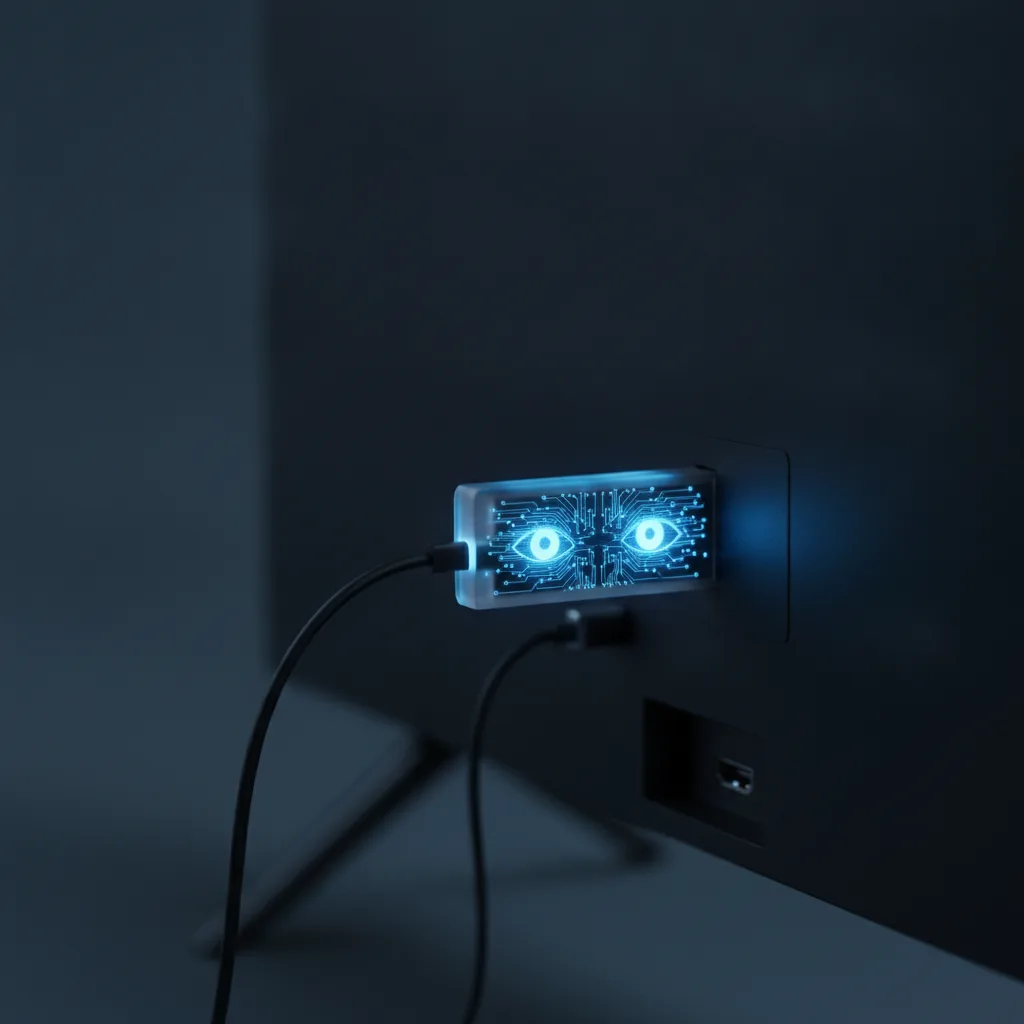
This isn't a conspiracy theory. It's in the shareholder letters. The stick is the loss leader. You are the recurring revenue.
What actually collects that revenue is a technology most people have never heard of: Automatic Content Recognition.
ACR takes periodic screenshots or audio snippets of whatever's on your screen — doesn't matter if it's Hulu, a cable box plugged into the same TV, or a video game — and matches them against a fingerprint database to figure out exactly what you're watching, when, and for how long.
Companies like Samba TV and Roku's own Inscape unit built entire businesses on this.
The FTC has already fined at least one smart TV maker, Vizio, $2.2 million for doing this without adequate disclosure, and settled a related case in 2024.
The Contrarian Reframe: "Just Use an Ad Blocker" Misses the Point Entirely
Every tech forum thread about this ends the same way.
Someone says "get Pi-hole," someone else says "sideload a launcher," someone else says "just don't connect it to Wi-Fi during setup." All of that is treating a business-model problem like a technical inconvenience.
You cannot ad-block your way out of a device whose entire monetization strategy depends on knowing what's on your screen.
Blocking banner ads doesn't stop ACR fingerprinting, because ACR doesn't care about the ad network — it's reading the picture itself, the same way Shazam reads a song.
And even if you strip every tracker off the software, the hardware still has a three-to-five-year support clock ticking, after which the manufacturer stops pushing security updates and the device becomes an unpatched, unsupported liability sitting in your HDMI port.
The mainstream advice treats streaming sticks as a category where you pick based on interface speed or app catalog. That's the wrong axis entirely.
The real question is who owns the box's incentives — and on every mass-market stick right now, the incentive is ad revenue and data licensing, not making your Tuesday night easier.
I think the industry knows this framing would kill sales, which is why you'll never see "how much of our revenue comes from watching you watch TV" on a product page.
It's buried three tiers down in an SEC filing instead.
The Framework: The Streaming Stick Trap
After going down this rabbit hole, I built a simple three-layer model to explain what's actually happening every time you plug in a new streaming device.
I call it the Streaming Stick Trap, and it applies almost identically across Roku, Fire TV, and Google TV.
Layer 1: Subsidized Hardware
The device is priced at or below manufacturing cost to maximize how many are sitting in living rooms. Cheap acquisition, fast market share.
This is the layer everyone evaluates the product on, and it's the least important layer to the company selling it to you.
Layer 2: Recognition and Fingerprinting
Once it's plugged in, ACR (or an equivalent) starts profiling every frame that crosses your screen — not just what's inside the platform's own apps, but often anything routed through the same HDMI input.
This data gets bundled into household viewing profiles sold to advertisers and measurement firms.
Layer 3: The Home Screen Auction
The interface you open dozens of times a week — the row of app tiles — becomes real estate sold to the highest bidder. Roku's home screen has run paid takeovers from major brands for years.
Fire TV's "Featured" row is ad inventory dressed as a recommendation.
You're not browsing a menu. You're walking through a mall that rearranges itself based on what you've already told it about yourself.
Once you see the three layers, you can't unsee them on any box with a remote that has a dedicated Netflix button molded into the plastic. That button isn't a convenience feature.
It's a paid placement, and Netflix reportedly pays for the privilege.
Real-World Implications: What to Actually Buy or Do Instead
If you're mid-purchase decision this week, here's how the calculus changes.
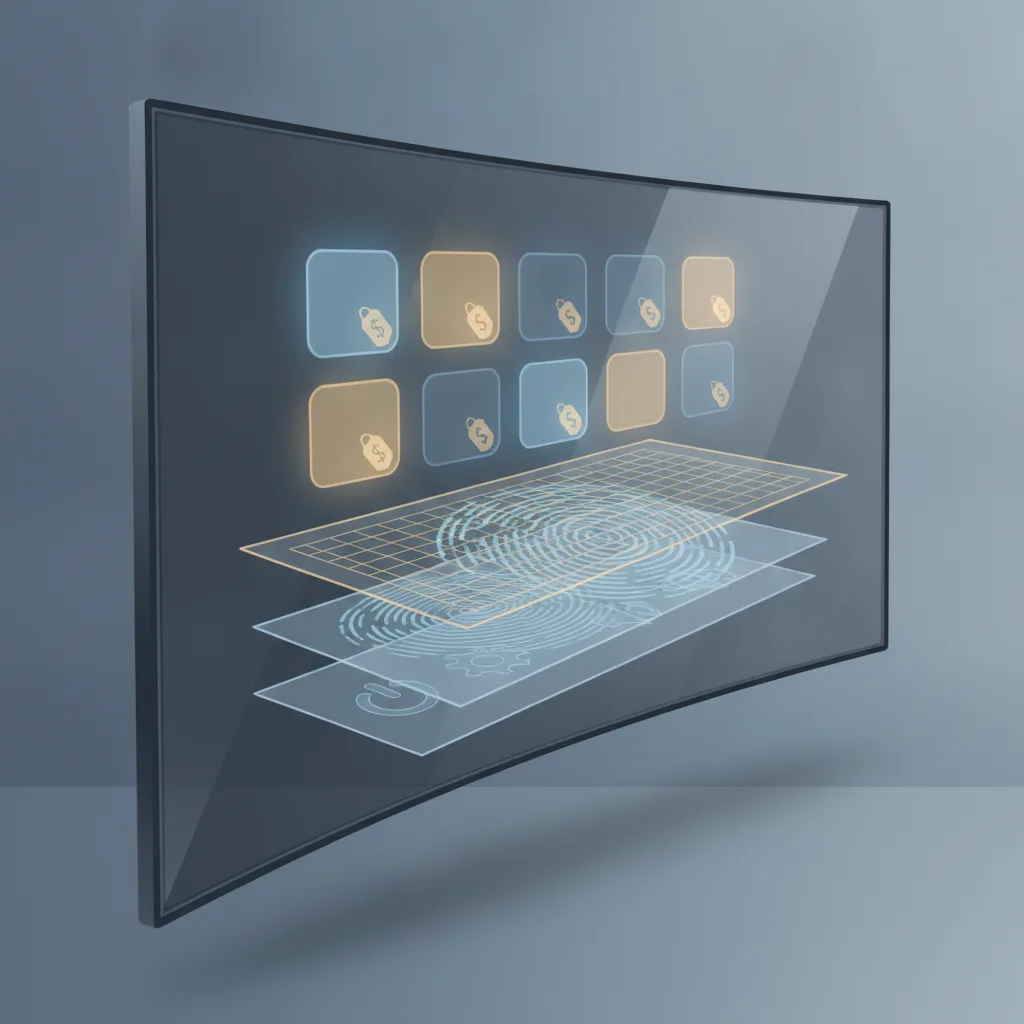
If your TV is from the last five years, you probably don't need a stick at all. Most modern smart TVs already run Roku OS, Google TV, or Amazon's Fire TV software natively — meaning you'd just be duplicating the exact same data collection on a second piece of hardware plugged into the first.
Check your TV's settings menu for "smart interactivity" or "viewing data" opt-outs before buying anything.
If you want the cleanest privacy posture, Apple TV 4K is the closest thing to an exception. Apple's device business actually makes money on hardware margin, which means the company isn't structurally dependent on your viewing data to justify the price tag.
It's also the most expensive option at $129–$149, which tells you something about how the economics of "cheap" boxes work.
If you're technical, a $150–$200 mini PC running Jellyfin or Kodi removes the ACR layer entirely, because there's no vendor home screen auctioning your attention in the first place.
This is overkill for most people, but it's the only genuinely trap-free option if you want zero compromise.
If you're going to buy a cheap stick anyway, at minimum decline every "personalized" or "interest-based advertising" toggle during setup, skip the ACR opt-in screen instead of clicking through it, and don't connect the device's remote finder or voice assistant unless you actually need it — each of those is another data channel, not just a feature.
None of this fully escapes the model. But it's the difference between being a source of raw data and being a mildly annoying edge case in someone's dataset.
The Bigger Picture
We've normalized a version of capitalism where the object in your hand isn't the product — it's the delivery mechanism for a much bigger, much less visible product built out of your habits.
Streaming sticks are just the cleanest, cheapest example, because they sit in the one room where you're relaxed, undistracted, and generating a clean, continuous signal for hours a day.
I don't think most people are naive about data collection anymore. What I think we've lost is the instinct to ask why something is cheap. A $20 device that costs $35 to make isn't a deal.
It's a down payment on a subscription you never signed up for, paid in attention instead of dollars.
So here's my actual question for you: when's the last time you checked what your streaming device — stick, smart TV, whatever's plugged in right now — actually reports back, and did what you found change how you'd buy the next one?