Sony Announces End of Physical Discs
Bottom line: Sony's recent announcement to cease physical disc production by mid-2027 marks a critical shift in digital ownership, impacting billions of dollars in consumer media.
This move, following similar trends from Xbox and streaming services, consolidates power with platform holders, making "owned" digital libraries inherently precarious.
I argue this isn't about media format, but a calculated industry move to control access, setting a dangerous precedent where your purchased content can be revoked, edited, or vanish at the whim of corporate policy.
Consumers must re-evaluate what "ownership" truly means in a digital-first world.
Stop celebrating digital convenience. I'm serious.
Sony's recent announcement to kill physical discs isn't progress; it's the first shot in a war for your digital library, a battle you're already losing.
I've spent over a decade building platforms and watching content ecosystems evolve, and I'm telling you: the advice you're getting about the "inevitable future of streaming" is dangerously naive, and it's costing you more than just shelf space.
The Sacred Cow: Convenience and Progress
I get it. Every tech influencer, every streaming service commercial, every LinkedIn post tells you the same thing: physical media is dead.
They paint a picture of endless content, instantly accessible, no clutter, no scratched discs, no dusty shelves.
And five years ago, they were right to some extent. The promise of streaming was revolutionary, offering unparalleled access to vast libraries at a fraction of the cost of buying every movie or album.
We bought into the dream of a frictionless digital future. We cheered when companies like Microsoft started offering disc-less consoles, seeing it as a bold step forward.
We embraced Netflix, Spotify, and Steam, happily trading physical clutter for infinite choice.
The narrative was simple: this is evolution, a natural progression from atoms to bits, driven by consumer demand for convenience.
But what we didn't realize, or perhaps chose to ignore, was the silent, insidious trade-off we were making.
The Evidence: Your Digital Library Is An Illusion
The problem isn't just that you don't get a shiny disc anymore.
The problem is that you never truly owned the digital content you thought you bought. Sony's decision, set to fully take effect by mid-2027, isn't an isolated incident; it's the latest, most explicit confirmation of a trend that has been eroding consumer rights for years.
This isn't about the format of the media, it's about the terms of its access.
#### The Vanishing Act: Content You "Bought" Disappears
This isn't theoretical. We've seen this play out repeatedly.
Just last year, in late 2025, Sony removed hundreds of purchased movies and TV shows from PlayStation users' libraries in Germany and Austria.
Users who had paid good money for these titles found them simply gone. No refunds, no recourse. The reason? Licensing agreements expired.
This wasn't an isolated incident.
- Discovery+ users have seen entire seasons of shows they "owned" vanish.
- Amazon Prime Video has silently pulled titles from purchased libraries.
- Even Steam, the supposed bastion of PC gaming ownership, has delisted games that are no longer available for download, even if you "own" them. Your license might still be there, but the ability to access the content is gone.
These are not isolated glitches. These are features of a system designed to give platforms ultimate control.
When you buy digital content, you are almost always purchasing a revocable license, not true ownership. It's buried deep in the Terms of Service, those endless scrolls of legalese we all click "Agree" on without reading.
#### The Economic Incentive: Why They Want Control
The industry isn't doing this to save trees or make your life easier. They're doing it because control over content means control over revenue.
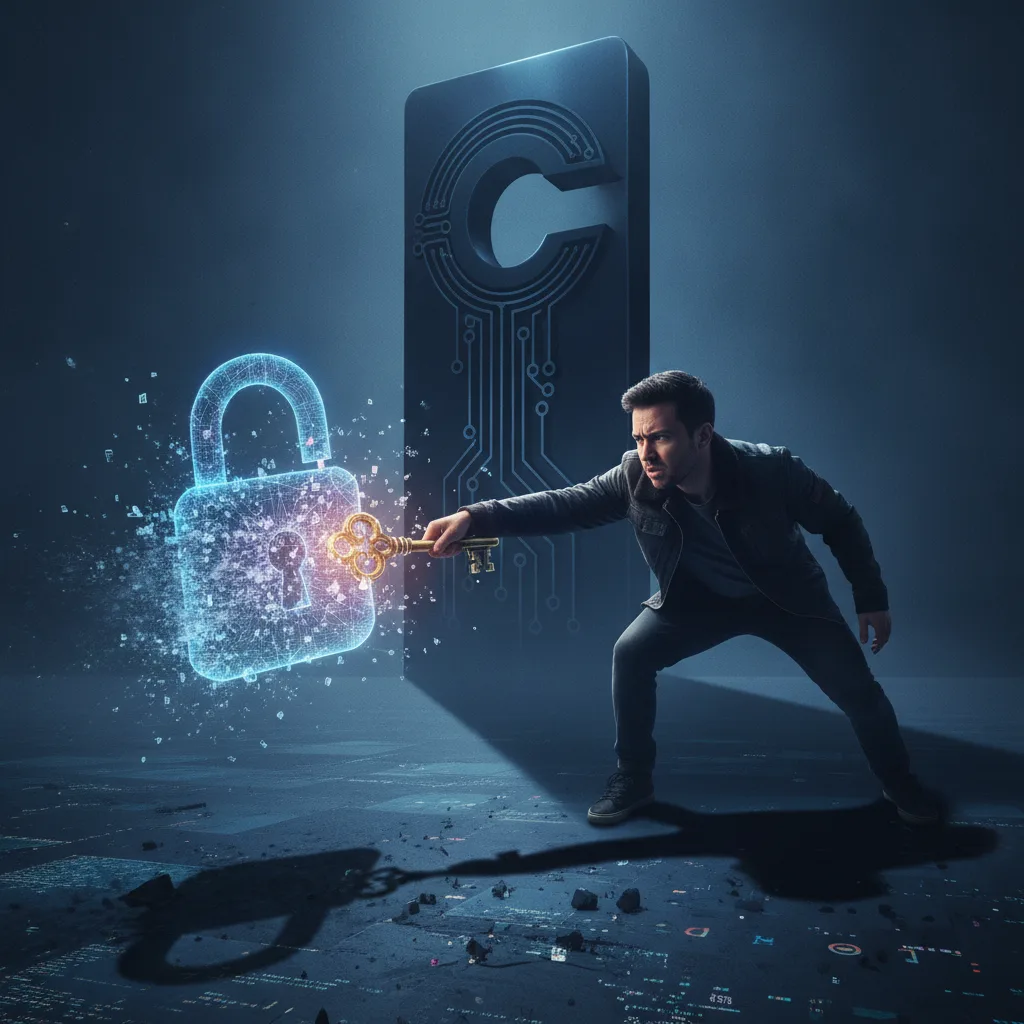
- No Secondary Market: Physical discs can be resold. A thriving used game or movie market means less money for publishers. Digital eliminates this entirely. Every "purchase" is a new transaction.
- Subscription Lock-in: Why sell you a movie once when you can pay $15/month for a service that might have it, or might remove it next month? The shift to subscription models, even for content you previously bought, is a goldmine for these companies.
- Dynamic Pricing & Advertising: With full control, platforms can experiment with dynamic pricing, target advertising within content, and collect granular data on your viewing habits. Try doing that with a Blu-ray on your shelf.
This isn't about making media more accessible; it's about making you more accessible to their revenue streams. The $50 billion figure in the headline isn't hyperbole.
It represents the estimated market value of digital media purchases that are currently held hostage by these revocable licenses.
Every movie, every album, every game you "bought" that can be taken away without warning is part of that precarious sum.
The Real Problem Nobody Talks About: The Illusion of Ownership
The true problem isn't the death of physical media itself. It's the erasure of the concept of ownership in the digital realm.
We've been conditioned to accept that our digital lives are ephemeral, that our "purchases" are merely long-term rentals.
This isn't just about movies and games; it's a blueprint for every digital good and service moving forward.
Think about it: Your cloud storage isn't truly yours; your provider can shut it down. Your software licenses can be revoked.
* Your smart home devices can be bricked by a firmware update or a company going out of business.
We're building our entire digital existence on rented land, and we're surprised when the landlord changes the rules. The convenience narrative distracts us from the fundamental shift in power dynamics.
We are moving from a world where we owned our media to one where we are merely tenants in a digital ecosystem controlled by corporate giants. This has profound implications for digital preservation, cultural archiving, and ultimately, individual autonomy.
What You Should Do Instead: Reclaim Your Digital Sovereignty
Don't just lament the loss of discs. Take action. Here are three things you can do that actually work in 2026 to push back against this erosion of ownership:
#### 1. Support Open Source and DRM-Free Content
Whenever possible, prioritize content that is not shackled by Digital Rights Management (DRM).
This means supporting independent artists, platforms like Bandcamp for music, and GOG.com for games, which explicitly offer DRM-free downloads.
DRM is the technological chain that binds your license to a platform. By choosing DRM-free, you are investing in true ownership.
#### 2. Local Backups and Archiving
For any digital content you truly value, download it and back it up locally. Yes, it's more work. Yes, it requires storage.
But it's the only way to ensure access if a platform pulls a title or goes out of business.
This might mean ripping your existing physical media, downloading your purchased digital movies, or even using tools to archive websites.
It's a pain, but it's your only insurance policy against digital disappearance.
#### 3. Advocate for Digital Consumer Rights
This isn't just a tech problem; it's a legal one. Support organizations and movements that are fighting for stronger digital consumer rights.
Demand legislation that guarantees access to purchased digital content, even if licensing agreements expire.
Push for laws that mandate refunds or perpetual access when content is removed. The industry won't change unless consumers collectively demand it.
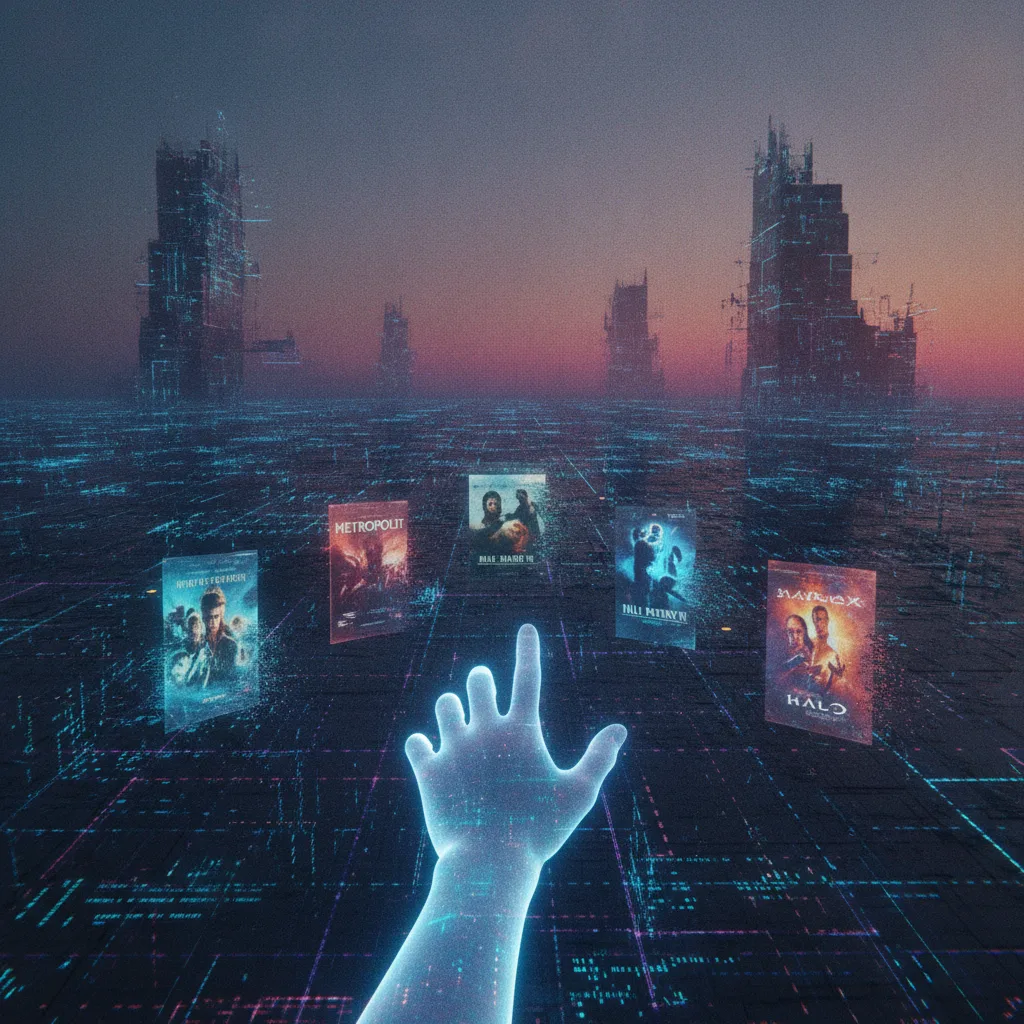
The Uncomfortable Truth: Who Truly Owns Your Digital Life?
How many hours have you spent building a digital library, only to realize it could vanish tomorrow?
When was the last time you asked yourself what you actually own in this digital world, versus what you're merely renting?
Sony's move isn't just about discs; it's a wake-up call that our digital lives are far more fragile than we care to admit.
Have you ever had digital content you "owned" disappear, or is it just me? Let's talk about it in the comments.