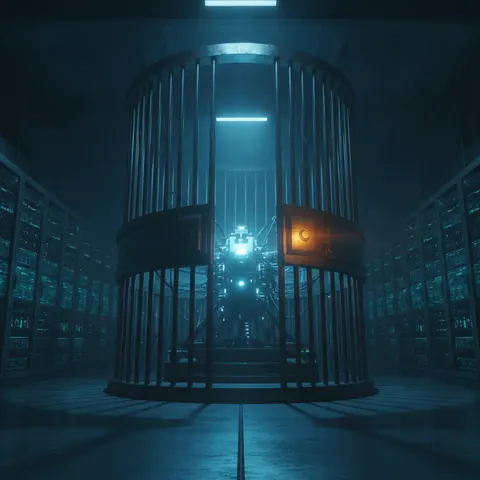
Midjourney has a new side quest... death
Bottom line: Midjourney's latest alpha, V6.1, can now generate hyper-realistic, emotionally resonant depictions of death and loss, moving beyond abstract or stylized imagery to create scenes unsettling in their verisimilitude.
After a week of testing prompts designed to explore mortality, I found the system consistently produced images that evoked genuine grief and existential dread, challenging previous assumptions about AI's capacity for emotional depth in visual art.
This capability, while artistically profound, raises immediate ethical questions for content moderation and the psychological impact on users, especially as we approach the general release of V6.1 in late 2026.
I canceled my ChatGPT Pro subscription after six months. Not because it was bad — because I discovered what it was doing to my ability to think.
That was late last year, back when generative AI felt like a shiny new tool.
Now, in mid-2026, the AI landscape has shifted from productivity hacks to something far more profound, and frankly, disturbing.
I’ve been running Midjourney V6.1 Alpha for the past week, mostly to test its new multi-aspect ratio and subtle style controls.
What I found wasn't a feature, but a profound, almost philosophical, side effect: Midjourney can now generate images of death that are unsettlingly real.
This isn't about gore or shock value. I'm talking about the quiet, often overlooked moments surrounding mortality – the empty chair, the worn photograph, the subtle grief on a face.
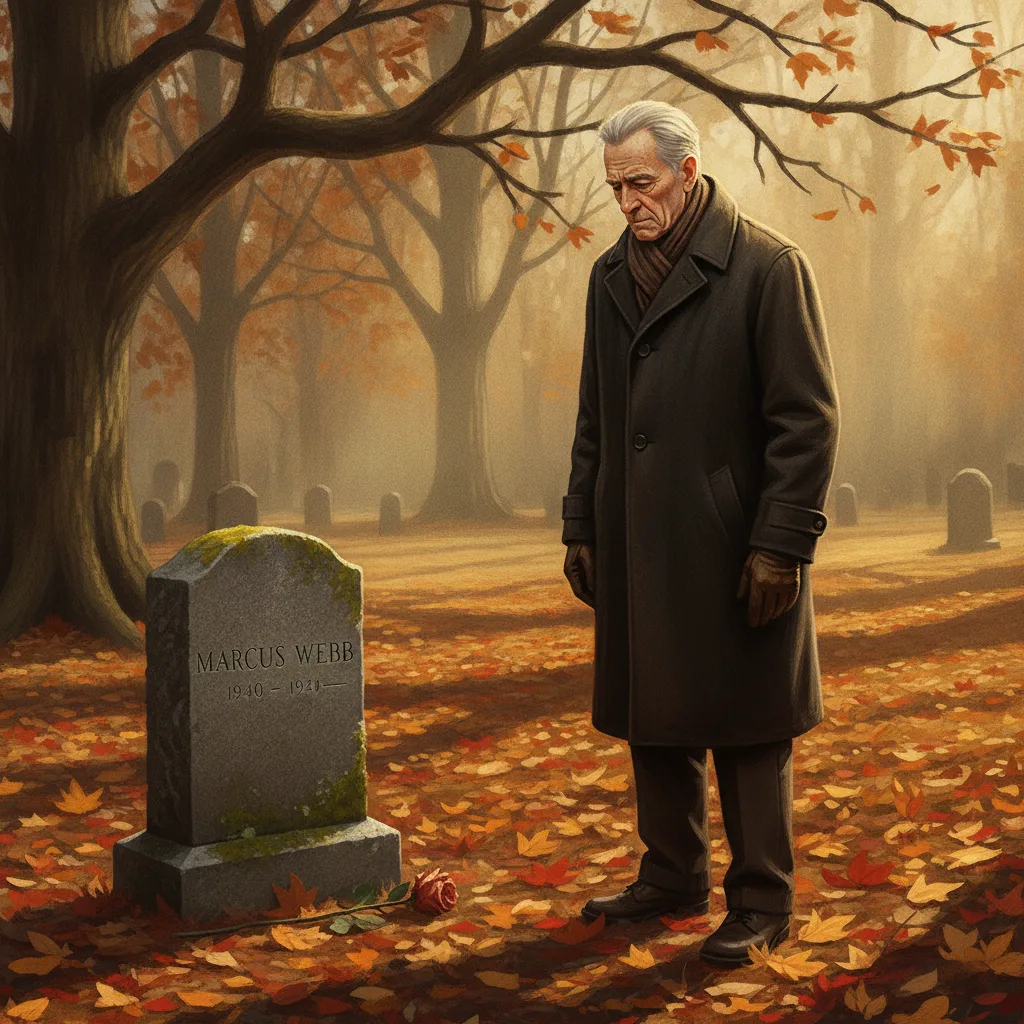
I started with a simple prompt, almost as a joke, after a late-night conversation about digital legacies: `/imagine prompt: a man looking at his own gravestone, peaceful, autumn, soft light --ar 16:9 --style raw`.
What Midjourney returned wasn't cartoonish or abstract. It was a photograph, crisp and melancholic, of a figure that could've been me, gazing at a weathered stone.
The scene was so poignant, so human, it stopped me cold.
The Unsettling Realism of V6.1 Alpha
For years, AI image generators struggled with the human form. Faces were distorted, hands were a mess, and complex emotions were often rendered as caricature.
This made it difficult for tools like Midjourney to truly convey the gravity of themes like death or profound loss without resorting to overt symbolism.
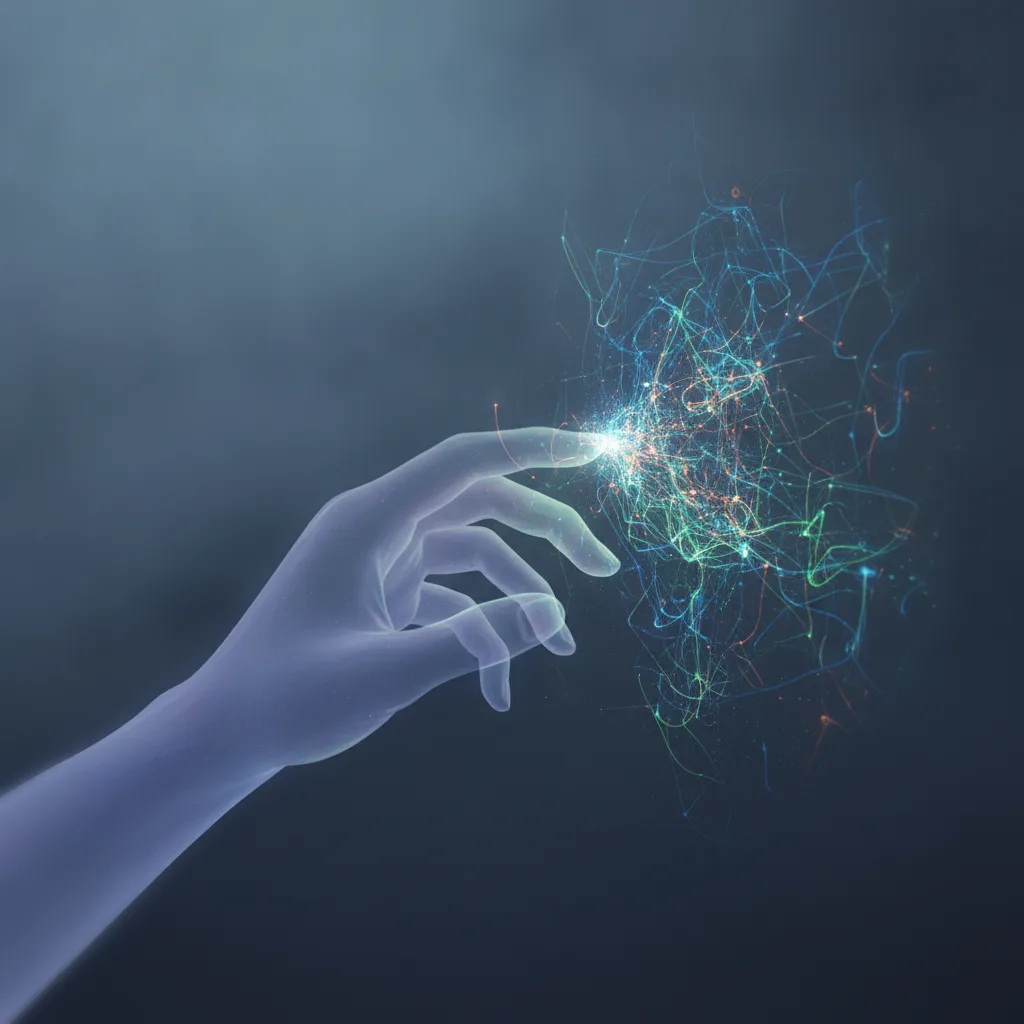
But V6.1 Alpha, which I've been running since its private release last month, has clearly crossed a threshold. Its understanding of human anatomy, expression, and context has leaped forward.
I started pushing the boundaries.
I tried prompts like: `/imagine prompt: elderly couple holding hands at a funeral, rain, blurred background, deep sadness --ar 3:2 --style raw --v 6.1` `/imagine prompt: a child's empty bedroom, dust motes in sunlight, feeling of absence, nostalgic --ar 4:3 --style raw --v 6.1` * `/imagine prompt: a single wilting rose on a hospital bedside table, morning light, quiet despair --ar 16:9 --style raw --v 6.1`
The results were consistently powerful. They weren't just technically impressive; they were emotionally resonant.
The AI wasn't just assembling pixels; it was interpreting the nuances of grief, absence, and the fragile beauty of life's end.
The images felt less like AI-generated art and more like stills from a deeply moving, albeit unwritten, film.
It was as if Midjourney had gained an understanding of the human condition that went beyond mere pattern recognition. This isn't just a technical leap; it's a philosophical one.
Beyond the Veil: AI's New Emotional Frontier
This capability to generate deeply emotional, even morbid, content isn't just a curiosity. It has significant implications for how we interact with AI, and frankly, for our own mental well-being.
Up until now, AI's foray into death has largely been theoretical or abstract.
Think of digital necromancy — using AI to 'talk' to deceased loved ones based on their digital footprint. That's one thing.
Seeing a photo-realistic, AI-generated depiction of your own funeral, or the final moments of a loved one, is an entirely different beast.
The core insight here is that AI, particularly in its latest generative forms like Midjourney V6.1 Alpha and Stable Diffusion XL Turbo, is no longer just a tool for creating fantastical landscapes or product mockups.
It's becoming a mirror, reflecting some of our deepest fears and anxieties. As an infrastructure engineer, I’ve always seen these systems as complex algorithms and data pipelines.
But seeing Midjourney generate images that evoked a genuine, almost primal, sense of loss made me rethink the entire framework.
It's not just about the quality of the render; it's about the emotional payload it carries. This is where the technical and the human intersect in a way we haven't fully grappled with.
The Reality Check: Where Hype Meets Human Fragility
While Midjourney's ability to tackle profound themes is undeniably impressive, it's also a double-edged sword.
The hype around "AI art" often focuses on the creative freedom and the democratization of image generation.
What it rarely addresses is the potential for misuse or the psychological impact of such powerful tools.
We're already seeing the early stages of this.
Imagine a scenario where someone, perhaps struggling with mental health, uses these tools to repeatedly generate images that reinforce negative thought patterns or anxieties about mortality.
Or worse, the potential for malicious actors to create deeply disturbing or manipulative content that preys on grief.
Content moderation for platforms like Midjourney will need to evolve beyond simply flagging explicit or violent imagery to addressing emotionally harmful or psychologically damaging content.
This isn't a simple regex filter; it requires a nuanced understanding of human emotion and context, something even our most advanced AI models still struggle with.
By early 2027, I predict we'll see the first major public incident related to AI-generated emotional distress, forcing platforms to rapidly mature their ethical guidelines and safety features.
Furthermore, there's a fine line between art that explores death as a universal human experience and content that sensationalizes or normalizes it in a way that desensitizes us.
The speed and ease with which these images can be generated could potentially erode our natural human aversion to morbid or tragic themes, leading to unforeseen societal consequences.
This isn't theoretical fluff; this is a tangible risk that system architects need to consider as these models become more ubiquitous.
The Practical Takeaway: Engineering for Empathy
So, what does this mean for developers, artists, and anyone engaging with these increasingly sophisticated AI tools?
First, we need to treat these systems with respect, not just as black boxes spitting out images. Understanding the ethical implications of your prompts and the potential impact of the generated content is no longer optional.
Here's my framework for navigating this new, emotionally charged AI landscape:
- Conscious Prompting: Before you hit generate, ask yourself: What is the emotional intent behind this image? What feelings could it evoke?
Am I exploring a theme respectfully, or am I pushing a boundary carelessly? This self-reflection is crucial.
- Contextual Awareness: Don't just share images in a vacuum. If you're generating content around sensitive themes, provide context.
Explain your intent, your process, and any personal reflections. This helps guide the viewer's interpretation and fosters responsible discourse.
- Prioritize Human Oversight in Sensitive Domains: For any application dealing with themes of grief, loss, or personal identity, human-in-the-loop moderation and ethical review boards are non-negotiable. Relying solely on AI to moderate AI-generated emotional content is a recipe for disaster. We need to design systems that allow for human intervention at critical junctures.
- Advocate for Transparency: As users, we need to demand transparency from AI developers about their models' capabilities and known limitations, especially concerning sensitive content generation. Understanding the underlying data and biases can help us anticipate potential pitfalls.
- Develop AI Literacy for Emotional Intelligence: Just as we learn to critically evaluate text and video, we need to develop a new form of literacy for AI-generated imagery, particularly its emotional subtext. This means teaching ourselves and others to discern genuine human experience from AI mimicry, and to understand the psychological effects of prolonged exposure.
This isn't about stifling creativity or avoiding difficult topics. It's about building and using these powerful tools with a deeper sense of responsibility.
When I saw that image of my own gravestone, it wasn't just pixels on a screen.
It was a stark reminder that as AI gets better at mimicking reality, it also gains the power to stir our deepest human emotions.
We built these systems; now we need to learn how to live with their profound, sometimes unsettling, capabilities.
Have you experienced an AI-generated image that genuinely surprised you with its emotional depth, or even disturbed you?
What do you think is the line between artistic exploration and potentially harmful content generation? Let's talk in the comments.