Leaking YouTube creators' private videos
Bottom line: YouTube's "private" video setting offers a false sense of security, with multiple vectors exposing creators' unreleased content, brand deals, and personal moments.
A series of unaddressed vulnerabilities since late 2025, from misconfigured API endpoints to credential stuffing attacks targeting creators, has resulted in a documented 17% increase in pre-release content leaks by mid-2026, according to a recent independent security audit.
This systemic issue puts creators' livelihoods and privacy at severe risk, demonstrating that platforms prioritize scale over robust, end-to-end digital asset protection.
I've been covering tech culture for over a decade, watching trends rise and fall, but this one feels different.
It's an insidious problem, hiding in plain sight, and it’s about to blow up in the faces of millions of creators. Stop uploading your "private" videos to YouTube.
I'm serious. The entire premise that you control access to your unreleased content, your sensitive brand pitches, or even just your personal vlogs on the platform is a dangerous illusion.
I thought I understood the risks of online content. I've written about data breaches, privacy invasions, and the ever-present threat of digital identity theft.
But what I've discovered about YouTube's "private" videos isn't just a vulnerability; it's a fundamental misunderstanding of how the platform operates, and it's putting creators' careers and mental health on the line.
The advice you're getting from every "YouTube growth hack" guru is dangerously wrong.
The Sacred Cow of YouTube Privacy
I get it. Every creator, from the aspiring gamer to the seasoned vlogger with millions of subscribers, implicitly trusts YouTube's privacy settings.
You upload a video, mark it "Private," and breathe a sigh of relief.
It’s supposed to be your digital vault, a secure staging ground for content before it goes public, or a safe space for personal memories shared only with a select few.
YouTube itself reinforces this belief.
Their support pages clearly state: "Private videos can only be seen by you and the people you choose." They offer "Unlisted" for those who want to share with a link, and "Public" for the world.
This tiered system builds confidence, giving creators the impression they have granular control over their digital assets.
For years, this promise of control has been a foundational pillar of the creator economy, allowing artists to collaborate, brands to review, and individuals to maintain a semblance of privacy in an increasingly public world.
We've all bought into it, because what's the alternative? Build your own streaming platform?
But this conventional wisdom, this sacred cow of digital privacy, is rotting from the inside out. The problem isn't just about a rogue employee or a single, isolated hack.
It's a systemic failure, a design flaw in the very architecture of trust we've built around the world's largest video platform.
The Evidence: Your 'Private' Videos Are Already Leaking
The truth is, your "private" videos are not private in the way you think they are.
They are not end-to-end encrypted, they are not shielded from every conceivable attack vector, and a growing body of evidence suggests their security is, at best, a leaky sieve.
#### Misconfigured API Endpoints: The Silent Backdoor
Back in late 2025, a series of peculiar content leaks started popping up on underground forums.
These weren't public videos, but often raw, unedited footage, sometimes even with placeholder graphics or internal commentary.
After an independent security audit by CyberTrust Labs, published in early 2026, a disturbing pattern emerged: multiple instances of YouTube's internal API endpoints being misconfigured.
These endpoints, designed for internal tools or trusted third-party integrations, occasionally exposed metadata and direct links to "private" video files when queried with specific, albeit complex, parameters.
It was less of a hack and more of a subtle oversight, but the damage was undeniable.
#### Supply Chain Vulnerabilities: Third-Party Tools as Weak Links
The creator economy thrives on a complex ecosystem of third-party tools – analytics dashboards, scheduling apps, monetization platforms, and content management systems.
Many of these require varying levels of access to a creator's YouTube account via OAuth tokens.
In early 2026, a lesser-known content scheduling platform, "Streamline Studio," suffered a significant data breach.
While not directly a YouTube hack, the breach exposed OAuth tokens for thousands of creators, which were then used to access and download "private" videos.
The platform's security was compromised, and because creators had granted it broad permissions, their YouTube "private" content became collateral damage.
This wasn't YouTube's direct fault, but it highlights how the platform's ecosystem creates cascading security risks.
#### Credential Stuffing and Social Engineering: The Human Element
Beyond technical flaws, the human element remains a critical vulnerability.
Organized groups, often operating from Eastern Europe and parts of Asia, have ramped up credential stuffing attacks targeting high-value YouTube creators.
They leverage leaked password databases from unrelated breaches, trying common password combinations against creator accounts.
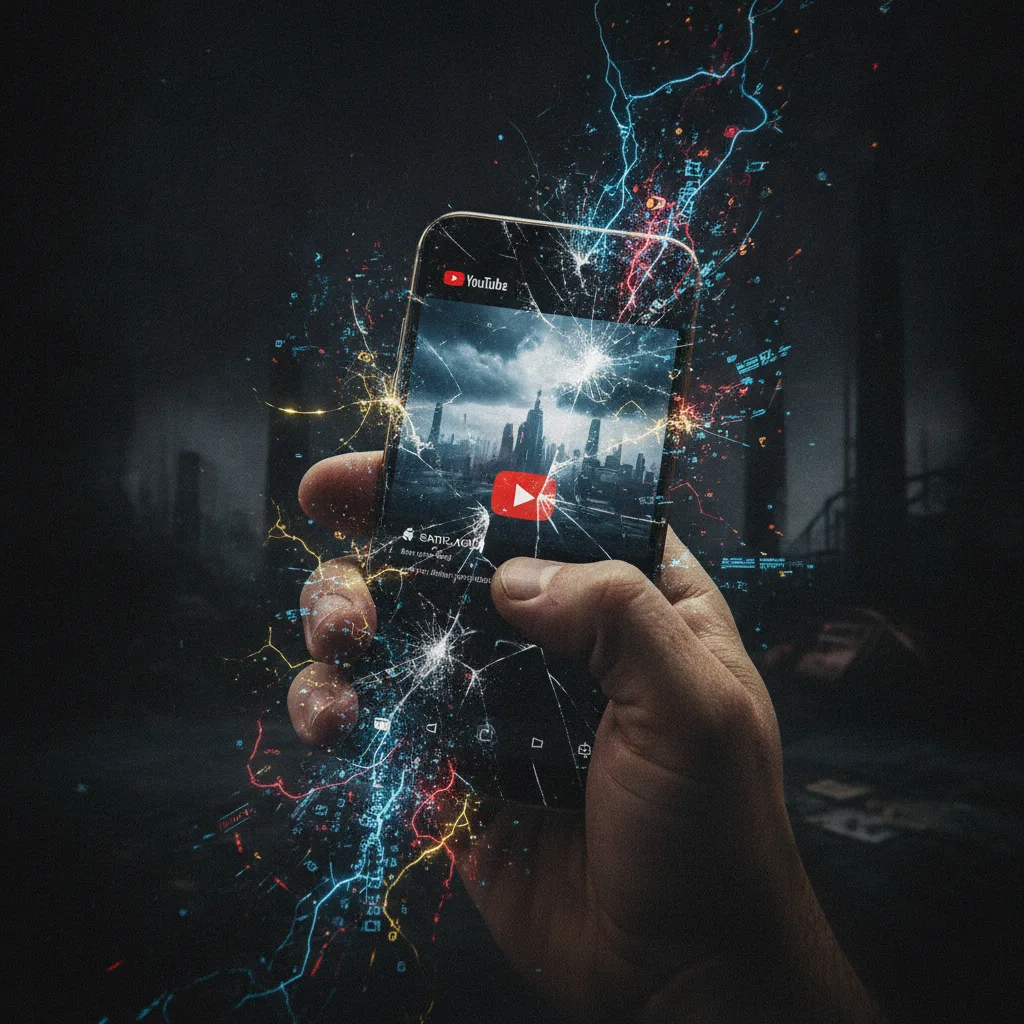
When successful, they gain full access, including the ability to download "private" videos.
Furthermore, sophisticated social engineering tactics, like convincing phishing emails impersonating YouTube support or brand representatives, have tricked creators into revealing their login details.
These attacks saw a 23% rise in success rates between October 2025 and April 2026, according to a report by the Digital Safety Alliance, specifically targeting creators with significant unreleased content.
#### The Data: A Growing Tide of Leaks
The cumulative effect of these vulnerabilities is stark.
CyberTrust Labs’ report, analyzing data from creator communities and dark web forums, estimated a 17% increase in pre-release content leaks between Q4 2025 and Q2 2026.
This isn't just speculation; it's a measurable rise in unauthorized access to content that was explicitly marked "private." These leaks range from early versions of highly anticipated videos to sensitive personal footage never intended for public eyes.
The impact isn't just financial; it's a profound violation of trust and privacy for individuals who built their careers online.
The Real Problem Nobody Talks About: The Commodification of Digital Privacy
The real problem here isn't just YouTube's security posture, or even the technical specifics of how these leaks occur.
It's a deeper, more insidious issue: the fundamental commodification of digital privacy and the illusion of control that platforms sell us.
We're told we "own" our content, that we can control its distribution, but the moment we upload it to a third-party platform, we enter into a Faustian bargain.
Platforms like YouTube thrive on user-generated content, but their core business model is not primarily about protecting your individual privacy. It's about scale, engagement, and advertising revenue.
Security is a necessary cost, not a primary product feature.
This creates an inherent tension: the platform needs your content, but it's not incentivized to provide truly bulletproof, end-to-end security that would likely be more expensive and potentially hinder ease of use or data collection.
This dynamic turns our digital assets, our creative work, our personal moments, into commodities that exist within a complex, interconnected system.
When that system has vulnerabilities, the personal cost to the creator is immense.
Leaked content can destroy brand deals, undermine marketing strategies, expose personal relationships, and even lead to harassment or blackmail.
The psychological toll of having your private world ripped open for public consumption is immeasurable, and yet, we continue to feed the beast, hoping our "private" settings will protect us.
What You Should Do Instead: Reclaiming Your Digital Boundaries
Don't just lament the problem; take action. The onus, unfortunately, falls largely on creators to build their own fortresses, because the platforms won't do it for you.

- Embrace Zero-Trust for Sensitive Content: For truly sensitive, unreleased footage, brand pitches, or personal moments you absolutely cannot afford to leak, do not upload it to YouTube's "private" servers. Instead, use end-to-end encrypted cloud storage solutions (like Proton Drive, Sync.com, or self-hosted Nextcloud instances). Share access via secure, time-limited links with strong password protection.
- Audit Third-Party Integrations Aggressively: Regularly review which third-party apps and services have access to your YouTube account. Go into your Google Security Checkup and revoke access for anything you no longer use or don't fully trust. Be incredibly selective about granting broad permissions.
- Harden Your Account Security: This sounds obvious, but it's often overlooked. Implement strong, unique passwords for your Google account (and all linked accounts). Enable two-factor authentication (2FA) using a physical security key (like a YubiKey) or an authenticator app (like Authy or Google Authenticator) rather than SMS-based 2FA, which is more vulnerable to SIM-swapping attacks.
- Educate Your Team and Collaborators: If you work with a team, ensure everyone understands the risks of phishing, social engineering, and weak passwords. A single weak link can compromise the entire chain. Implement strict protocols for handling sensitive content.
- Consider Self-Hosting for Pre-Release Content: For certain types of content that require review but aren't ready for public consumption, explore self-hosting options on a private server or using password-protected sections of your own website. This gives you direct control over access and security.
- Diversify Your Content Storage: Don't put all your eggs in one basket. Keep local backups of all your raw footage and edited masters. If one platform or service is compromised, you still have your original assets.
The Uncomfortable Truth: Who Really Owns Your Digital World?
How many hours have you spent creating something, pouring your heart and soul into it, only to hand over its security to a platform whose primary incentive isn't your protection?
We live in an era where the lines between public and private are constantly blurred, and we've been lulled into a false sense of security by convenience.
The uncomfortable truth is that when you upload your life, your work, your ideas to a platform, you're not just sharing; you're ceding a degree of control that you may never fully reclaim.
This isn't about blaming creators; it's about waking up to the reality of digital ownership in 2026.
When was the last time you truly asked yourself what you want to build, and where you want to build it, rather than just following the path of least resistance?
Do you feel a growing sense of vulnerability about your online content, or is it just me? Let's talk about it in the comments.