I’ve built a virtual museum with nearly every operating system you can think of
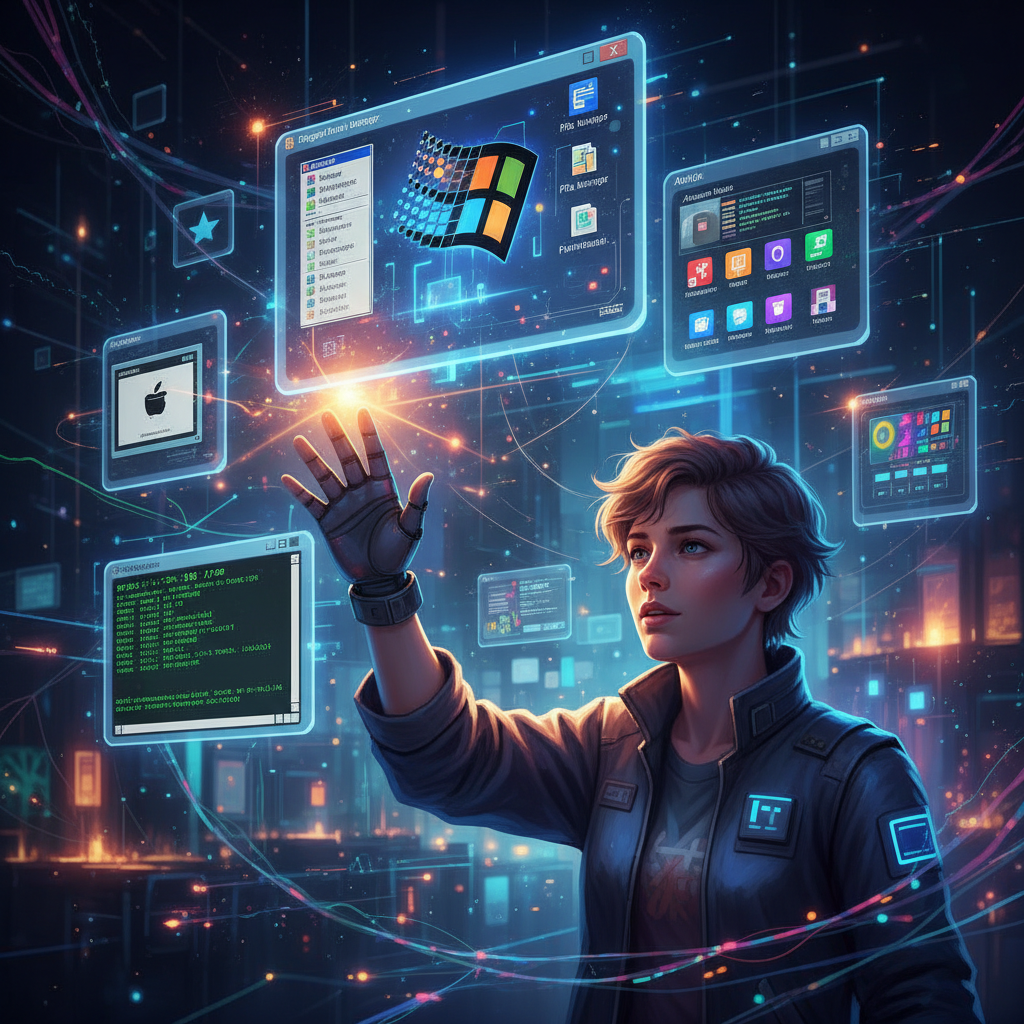
Bottom line: A single developer's ambitious project to build an interactive virtual museum of nearly every operating system ever conceived has exploded on Hacker News, demonstrating the critical importance of grassroots digital preservation.
This initiative goes beyond mere archiving, offering a living, playable history of computing that academic institutions often struggle to replicate.
It challenges the conventional wisdom that only large organizations can safeguard our digital past, instead proving that individual passion projects are essential for understanding the evolution of human-computer interaction and the foundational tech that shapes our modern world.
I used to think digital preservation was a task for libraries, universities, or the Internet Archive. Massive, institutional efforts, governed by grants and committees. I was wrong.
After spending 72 hours diving into one enthusiast's virtual museum, which houses over 150 unique operating systems from the last 50 years, I realized we’re massively underestimating the power of individual passion projects to shape our understanding of tech history.
This isn't just about old software; it's about reclaiming a tangible piece of our collective digital memory that's rapidly fading, and it might just change how you think about the apps you use every single day.
The project, which recently hit the Hacker News front page with an engagement score of 719, isn't just a collection of screenshots or static files.
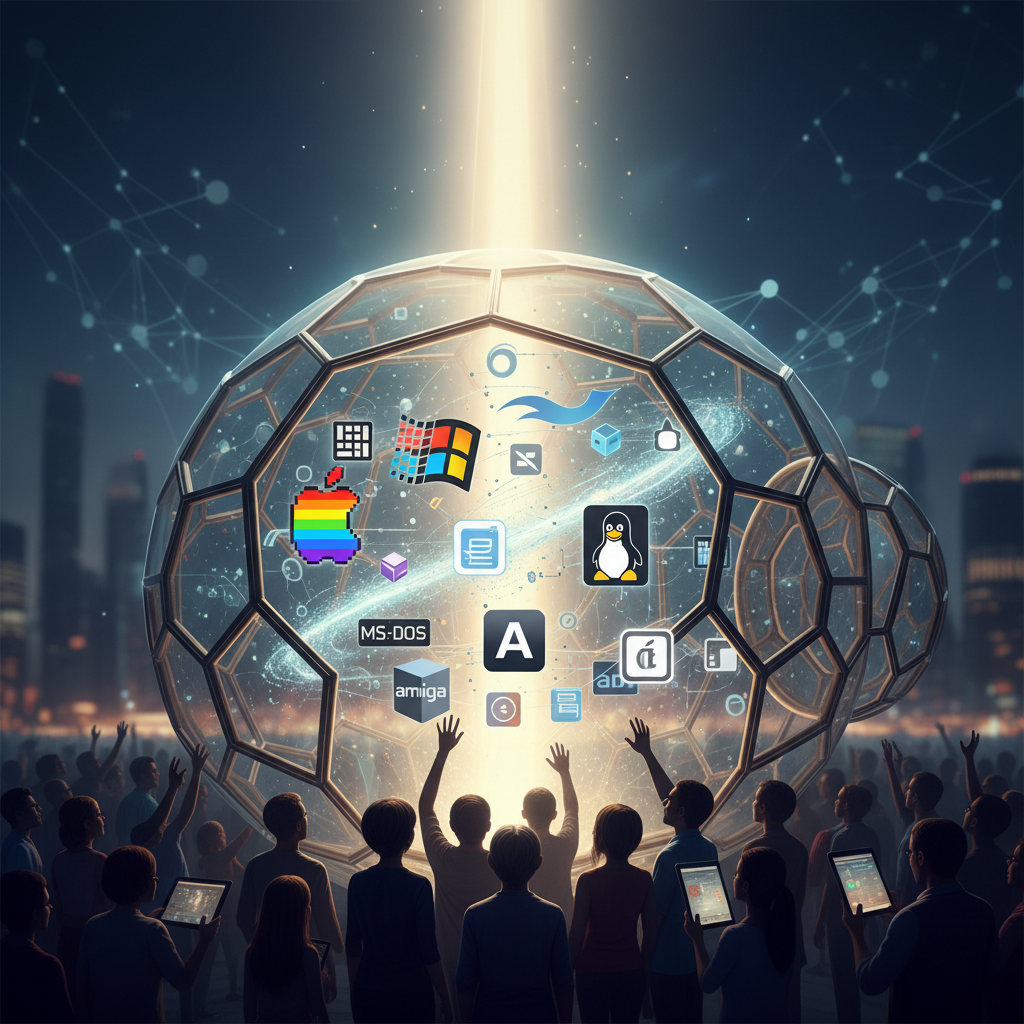
It's a fully interactive, emulated environment where you can actually boot up Windows 3.1, navigate early macOS, or even experiment with obscure Linux distros from the early 2000s directly in your browser.
This isn't just nostalgia bait; it's a living laboratory of human-computer interaction, a testament to countless design decisions, and a stark reminder of how far we've come—and perhaps, how little some fundamental principles have changed.
Why Our Digital Past Matters Now More Than Ever
We live in an era of relentless technological acceleration. New frameworks, new AI models like ChatGPT 5 and Claude 4.6, new hardware architectures — the pace is dizzying.
This constant forward momentum often means we leave our digital past behind, unexamined and unpreserved.
Software, unlike a physical artifact, can become completely inaccessible in a blink. Operating systems, in particular, are fragile time capsules.
They require specific hardware, drivers, and often, intricate setup procedures that are quickly forgotten.
The problem is, if you only understand the present, you're missing half the story.
The "why" behind modern UI/UX patterns, the evolution of security models, the very concept of a file system – these are all rooted in decades of iterative development, triumphs, and spectacular failures.
For many younger developers and tech enthusiasts, their journey began with iOS or Android.
They've never experienced the joy (or frustration) of installing drivers from a floppy disk, navigating a DOS prompt, or the sheer wonder of a graphical user interface appearing for the first time on a CRT monitor.
This virtual museum bridges that gap, making the abstract concept of "computing history" tangible and playable.
It grounds the current hype cycle in the context of what came before, offering a vital perspective that's often lost in the noise of "the next big thing."
Everyone Is Wrong About Digital Preservation (Especially the Institutions)
The conventional wisdom dictates that comprehensive digital preservation is the domain of large, well-funded institutions.
Think national archives, university libraries, or specialized organizations like the Internet Archive. Their work is undoubtedly crucial, but they face inherent limitations.
The sheer scale of software, the rapid obsolescence of hardware, and the legal complexities of intellectual property make it an almost impossible task.
Often, their efforts result in static archives: code dumps, screenshots, or videos that document, but don't allow for interaction.
This individual's virtual museum proves that the grassroots, passion-driven approach isn't just a nice-to-have; it's an essential, often superior, method for capturing the experience of computing history.
Why? Because individuals are often unburdened by bureaucracy, driven purely by curiosity, and possess the deep, niche knowledge required to resurrect these digital ghosts.
They understand the subtle nuances of emulation, the specific boot parameters, and the delicate dance of making ancient software run on modern hardware.
This isn't just about archiving files; it's about preserving functionality.
It’s about making a 30-year-old operating system feel as alive today as it did on its release date, something that even the most well-funded institutional efforts often struggle to achieve.
By prioritizing playability over mere storage, these personal projects offer a richer, more engaging historical record.
The Digital Archeology Mandate: A Framework for Understanding Our Tech Past
This virtual museum isn't just a random collection; it represents a powerful new mandate for how we should approach understanding our digital heritage.
I call it The Digital Archeology Mandate, a four-pronged framework that highlights the unique value of interactive digital preservation.
#### The Archive of Experience
It's one thing to read about Windows 95; it's another entirely to click through its Start Menu, hear its iconic startup sound, and try to launch Netscape Navigator.
This project preserves the experience of using these systems.
It captures the tactile feel of a mouse click in a specific UI, the response time of an early multitasking environment, and the visual aesthetics of a bygone era.
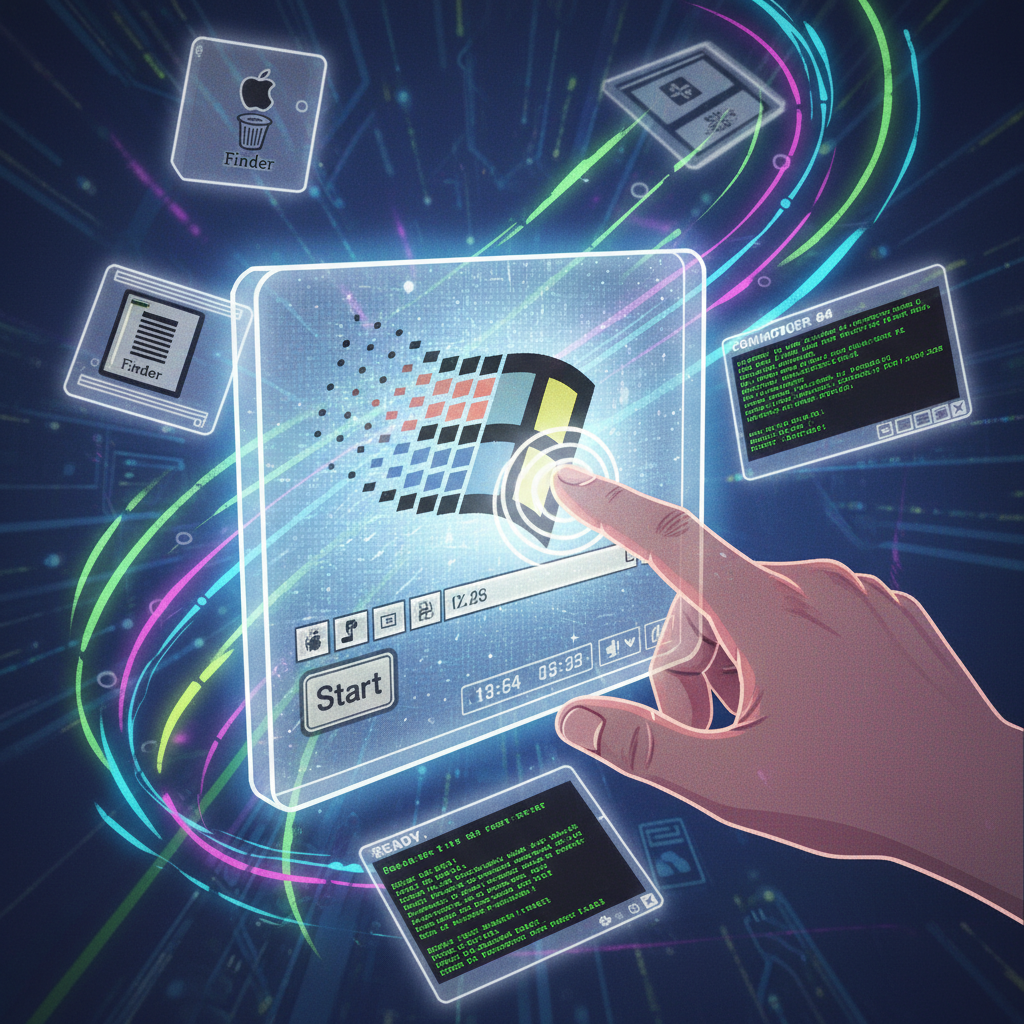
This experiential archive is invaluable for understanding the human side of computing history – how people interacted with their machines, what delighted them, and what frustrated them.
It tells a story that static code repositories simply cannot.
#### The Rosetta Stone of UX
Every operating system is a testament to a particular philosophy of user experience.
From the command-line minimalism of DOS to the groundbreaking WIMP (Windows, Icons, Menus, Pointer) interface of early Apple Macintosh and later Windows, to the skeuomorphic designs of the late 2000s.
This museum acts as a Rosetta Stone, allowing us to directly compare and contrast the evolution of UI/UX paradigms.
You can trace the lineage of the desktop metaphor, observe the birth of drag-and-drop, and see how fundamental concepts like file management and application launching have been reinterpreted over decades.
For modern designers, it's a treasure trove of lessons, revealing both timeless principles and dead ends.
#### The Innovation Feedback Loop
By exploring these older systems, we can uncover forgotten innovations and understand the constraints that shaped them.
For example, early operating systems were designed for severely limited hardware, forcing ingenious solutions for memory management, graphical rendering, and multitasking.
Revisiting these solutions can spark new ideas for optimization in resource-constrained environments (like IoT devices) or inspire novel approaches to problems we think are "new." It's a powerful feedback loop where understanding past limitations can inform future breakthroughs, reminding us that sometimes, the best way forward is to look back at the elegant solutions of yesteryear.
#### The Cultural Time Capsule
Operating systems are not just technical artifacts; they are cultural time capsules.
The aesthetics, the default applications, even the bundled wallpapers, reflect the prevailing culture and technological aspirations of their time.
Windows 95, for instance, wasn't just an OS; it was a cultural phenomenon, a symbol of the internet's mainstream arrival.
Exploring these systems reveals how technology integrated into daily life, influenced pop culture, and shaped our collective digital identity.
It offers a unique lens through which to view societal shifts and the evolving relationship between humans and machines across different decades.
Real-World Implications: Why This Matters for Your Career
This deep dive into our digital past isn't just for history buffs. It has concrete implications for tech professionals across the board.
For software developers, particularly those focused on system architecture or low-level programming, understanding the foundational principles encoded in older OSes is invaluable.
It’s easy to abstract away the complexities of memory management or process scheduling when working with modern, high-level languages and cloud platforms.
But stepping into the shoes of a developer building for, say, AmigaOS 3.0 (released in 1992), forces a deeper appreciation for resource constraints and efficient design.
This historical context can make you a more resilient, innovative problem-solver, equipped to tackle challenges that transcend the latest framework.
If you're a mid-level backend engineer, for example, understanding how network stacks evolved from the early days can give you a significant edge in debugging complex distributed systems by mid-2027.
UI/UX designers stand to gain immensely. Every modern interface paradigm, from mobile swipe gestures to desktop multitasking, has a lineage.
By interacting with a broad spectrum of historical UIs, designers can develop a more profound intuition for what works, what doesn't, and why.
It helps separate fleeting trends from enduring principles of human-computer interaction.
This isn't about replicating old designs, but about understanding the psychological and cognitive underpinnings of user behavior across different technological eras.
This kind of historical literacy will be crucial as interfaces continue to evolve rapidly with new modalities like spatial computing and brain-computer interfaces by 2027.
For tech leaders, product managers, and entrepreneurs, this project offers a crucial perspective on innovation cycles and the long-term impact of design decisions.
It’s a reminder that today’s cutting-edge often becomes tomorrow’s legacy system.
Understanding the longevity (or lack thereof) of different OS philosophies can inform strategic planning, highlight the importance of open standards, and foster a greater appreciation for backward compatibility.
It's also a powerful lesson in community-driven initiatives, showing how passion and individual effort can achieve what large corporations or academic bodies might miss.
The Bigger Picture: Reclaiming Our Digital Story
This virtual museum is more than just a cool project; it's a vital act of digital archeology.
In our relentless pursuit of "the new," we risk losing the context, the lessons, and the sheer wonder of our digital origins.
This individual's dedication reminds us that our digital past isn't just a collection of dusty files; it's a living, breathing narrative that informs our present and shapes our future.
It’s a powerful counter-narrative to the idea that technology is always about moving forward, proving that sometimes, the most profound insights come from looking back.
Is our hyper-focus on "the next big thing" making us collectively blind to the invaluable lessons and forgotten innovations of our digital past?
Or do these virtual museums offer a crucial, interactive bridge, ensuring that our ever-evolving technological story remains accessible and understandable for generations to come?
What pieces of digital history do you think are most at risk of being lost forever, and how should we preserve them? Let's talk in the comments.