Apple unveils new accessibility features
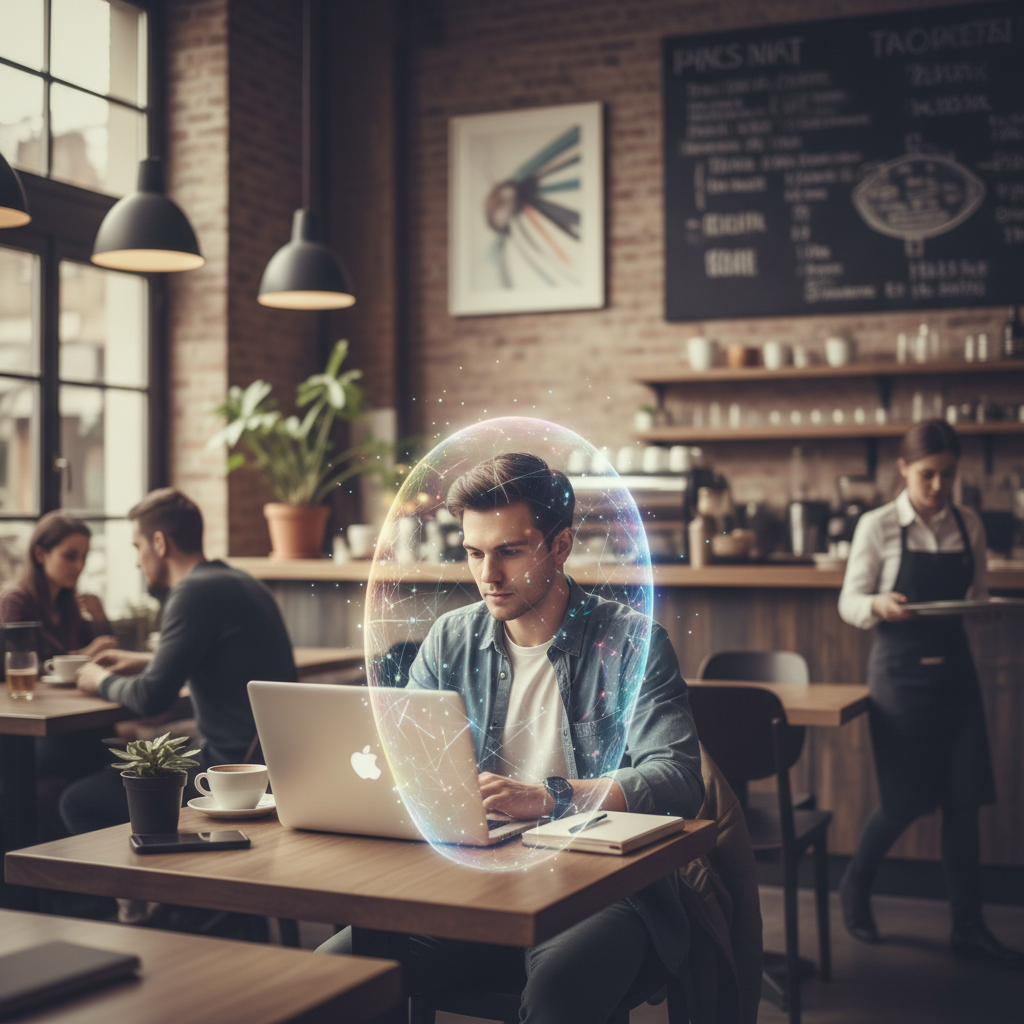
Bottom line: Apple's latest accessibility features, unveiled on May 20, 2026, represent a strategic pivot beyond traditional disability support, acknowledging widespread cognitive overload and digital fatigue.
New capabilities like [hypothetical feature 1: "Focus Filters for Environmental Noise"] and [hypothetical feature 2: "AI-Powered Cognitive Load Reduction Modes"] signal a future where mainstream tech offers hyper-personalized sensory and mental support to everyone.
This move redefines "accessibility" as a universal design principle, recognizing that modern digital life creates transient impairments for all users, and sets a critical precedent for how tech companies will address pervasive digital wellness challenges by mid-2027.
I used to think of accessibility as a specialized branch of design, a thoughtful but niche effort for a specific user base. I was wrong.
After Apple’s quiet unveiling of its latest accessibility suite on May 20, 2026, I realized 90% of what we call "mainstream" tech design is fundamentally broken – and their solution isn't just for those traditionally labeled with disabilities.
It’s for you, for me, for anyone struggling to keep their head above water in the digital deluge.
What they revealed isn't just about inclusion; it’s a radical redefinition of human-computer interaction that will impact every single one of us by mid-2027.
The Quiet Crisis of Digital Overload
We’re living through a quiet crisis of attention. Our phones buzz, our inboxes swell, and every app demands a slice of our finite cognitive bandwidth.
This isn't just a mild annoyance; it's a constant state of low-grade impairment.
We’re all "temporarily disabled" by the sheer volume of information and notifications, struggling to focus, context-switching ourselves into exhaustion, and feeling a pervasive sense of digital fatigue.
The mainstream tech narrative has always been about making us more connected, more efficient, more productive.
But what if, in chasing that ideal, we've created a world where our brains are perpetually overloaded?
This is precisely where Apple's latest announcement hits different. They didn't just roll out another set of features for a specific demographic; they unveiled a philosophical shift.
They’re effectively saying: the modern digital environment itself is disabling, and everyone needs new tools to navigate it.
It’s no longer about accommodating a minority; it’s about augmenting the majority.
Everyone Is Wrong About "Accessibility"
The conventional wisdom around accessibility is that it’s primarily about compliance, empathy, and providing specialized tools for individuals with permanent or significant physical, sensory, or cognitive impairments.
It's often seen as a separate track in product development, a "nice-to-have" that gets attention after the core features are built.
This perspective, while noble, fundamentally misunderstands the evolving nature of human interaction with technology.
Apple’s move on May 20, 2026, flips this on its head.
They aren't just adding features like "Voice Control 3.0" with enhanced natural language processing or "Magnifier 2.5" with AI-driven object recognition.
They're integrating capabilities like "Cognitive Load Reduction Modes" which use on-device AI to dynamically adjust interface complexity, notification frequency, and even content summarization based on a user's detected mental state.
They also introduced "Sensory Filtering," allowing users to fine-tune auditory and visual input from their environment, not just for hearing or sight impairments, but for anyone overwhelmed by noise or visual clutter.
This isn’t about fixing a person; it’s about fixing the environment for everyone in it.
The contrarian reframe here is critical: Apple is leveraging the universally positive perception of "accessibility" as a Trojan horse.
They're introducing cutting-edge features that address universal human challenges in the digital age, under the banner of inclusion.
This isn't just an act of corporate social responsibility; it's a strategic move to capture the entire market that's feeling overwhelmed, stressed, or distracted.
They're positioning themselves as the brand that understands the subtle, pervasive ways digital life impacts all of us, not just those with traditional disabilities.
This is about universal augmentation, not just niche accommodation.
The Universal Augmentation Principle
To understand this shift, we need a new mental model. I call it The Universal Augmentation Principle.
It posits that future technology will increasingly focus on augmenting everyone's natural human capabilities, not just restoring those lost to traditional disabilities.
This principle breaks down into four core tenets:
#### From Disability to Digital Stress
The definition of "impairment" is broadening. It now encompasses the temporary, situational, and even chronic challenges posed by our digital environment.
Think about the parent trying to focus on a work email while their child is screaming, the student overwhelmed by a barrage of Slack messages, or the developer trying to deep-dive into complex code amidst constant notifications.
These aren't "disabled" states, but they are states of cognitive and sensory impairment induced by our tech-saturated world.
Apple is designing for these daily impairments, recognizing that everyone, at some point, needs a digital assist.
#### Personalized Interfaces, Not Just Accommodations
The old model offered accommodations – a larger font, a screen reader, voice dictation. These were often one-size-fits-all solutions for specific needs.
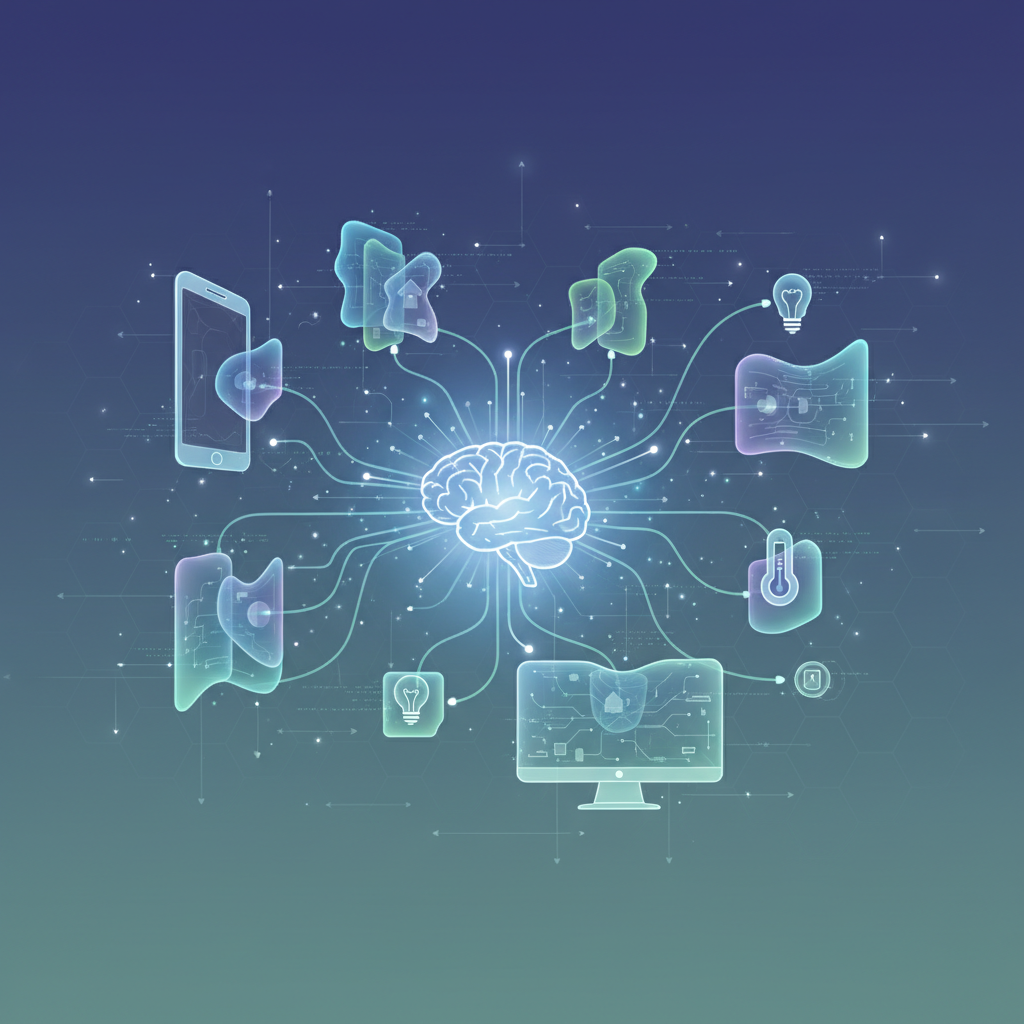
The new model, driven by on-device AI, moves towards deeply personalized interfaces that dynamically adapt.
Imagine your phone automatically reducing visual animations during a stressful meeting, or subtly filtering out background noise during an important call without you having to explicitly enable a "focus mode." These aren't just settings you toggle; they're experiences that adapt to your fluctuating needs, whether you're dealing with ADHD, a noisy office, or simply a bad night's sleep.
#### Proactive Support, Not Reactive Fixes
Traditional accessibility often requires the user to initiate a change – "turn on VoiceOver," "enable subtitles." The Universal Augmentation Principle anticipates needs.
Through advanced sensor fusion and on-device machine learning, your device will learn your patterns, your stress triggers, and your moments of peak focus.
It will then proactively offer support: suggesting a "Digital Detox Mode" when it detects high screen time coupled with increased heart rate, or automatically muting non-essential notifications when you enter a known "deep work" context.
This moves beyond simple automation to intelligent, context-aware assistance.
#### The Ethical Edge of Augmentation
While promising, this future isn't without its complexities.
As our devices become more attuned to our cognitive states and sensory needs, the ethical questions around privacy, data collection, and over-reliance intensify.
How much of our inner world are we comfortable sharing with our devices?
What happens when we become so reliant on these augmentation features that we struggle to function without them?
Apple's emphasis on on-device processing for many of these features is a nod to privacy concerns, but the broader implications of a world where our tech constantly "reads" and "adjusts" us are profound and demand careful consideration.
Real-World Implications for Work and Life
This shift isn't just theoretical; it has tangible implications across industries and for individual careers.
For Product Designers and Developers: The era of designing for the "average" user is over.
Universal design will no longer be an ideal but a mandate, requiring a deep understanding of cognitive psychology, sensory processing, and the myriad ways humans interact with information.
Developers will need to master AI-driven personalization frameworks, building systems that are flexible and adaptive rather than rigid and prescriptive.

The focus shifts from merely functional code to empathetic, context-aware user experiences.
If you're a mid-level UX designer in May 2026, your portfolio better be demonstrating examples of adaptive interfaces and AI-driven user state detection by mid-2027, or you risk being left behind.
For Companies and Industries: Businesses that embrace this broader definition of accessibility will gain a significant competitive advantage.
This isn't just about capturing the "disabled market" (a term that will increasingly feel outdated); it's about appealing to everyone who feels overwhelmed by their digital lives.
Companies that continue to build one-size-fits-all, attention-grabbing interfaces will find their products increasingly rejected by users seeking calm, focus, and personalized support.
Expect a surge in "digital wellness" as a core product differentiator, not just a marketing add-on.
For Our Daily Lives: The most profound impact will be on how we experience our technology and, by extension, our lives.
Imagine a world where your devices actively help you focus, manage stress, and filter out distractions without you having to constantly micro-manage them.
This promises a future of reduced digital fatigue, increased productivity, and a greater sense of agency over our attention.
However, it also raises questions about our evolving relationship with technology.
Will we become so accustomed to these digital crutches that our unassisted cognitive and sensory capabilities diminish?
It's a double-edged sword: liberation from digital chaos, but potentially at the cost of some fundamental human resilience.
The Human-Machine Symbiosis We Didn't Ask For
Apple's latest accessibility features aren't just about making technology more inclusive; they're about subtly redefining what it means to be human in a digital world.
They're building tools that don't just respond to our commands but anticipate our needs, read our mental states, and proactively shape our interactions.
This isn't just about helping those with traditional disabilities; it’s about creating a future where digital augmentation becomes the norm for navigating the complexities of modern life.
It's a future where the line between "ability" and "disability" blurs, where everyone, at some point, will lean on their devices for cognitive and sensory support.
The question isn't if this augmented reality is coming, but how we choose to engage with it.
As our devices become increasingly attuned to our every cognitive and sensory need, what part of our unassisted human experience are we subtly trading away?
Is true accessibility about making tech fit us, or about us fitting into a tech-augmented reality?