I Wasn't Ready For This: Google DeepMind's CEO Just Stepped Down
Bottom line: Google DeepMind's recent leadership restructure, with Demis Hassabis transitioning from CEO to Chair and Jeff Dean departing, signals a critical strategic pivot within Google's AI ambitions.
This move likely shifts Hassabis towards broader, long-term AGI strategy and integration across Google's product ecosystem, moving away from day-to-day operational leadership.
For infrastructure engineers and AI developers, it implies a renewed focus on consolidating AI efforts, potentially streamlining the path from research breakthroughs to production-ready systems, and a more concerted push to embed advanced AI capabilities directly into Google's core offerings by late 2027.
The news hit me like a quiet `SIGTERM` in a world of `SIGKILL` headlines.
I was sifting through the usual Hacker News feed, looking for anything that wasn't another breathless startup announcement or a debate about which LLM actually writes better Rust.
Then I saw it: "DeepMind's CEO Steps Down." My first thought was a cynical "here we go again, another AI exec jumping ship." But the details, as always, told a much more nuanced, and frankly, more unsettling story.
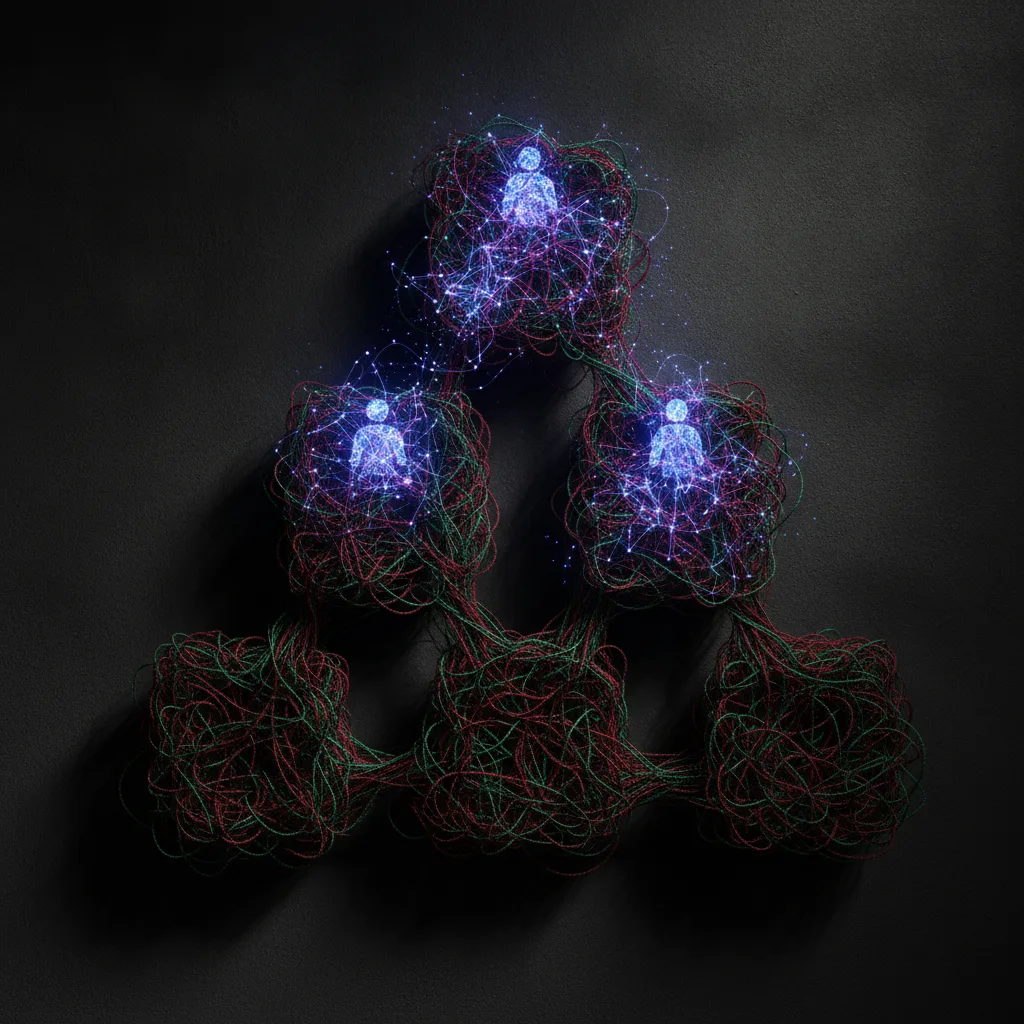
This wasn't a departure; it was a re-alignment at the very top of Google's AI pyramid, and it's going to ripple through every AI project we touch for the next few years.
The Quiet Shift at Google's AI Core
For months, the pressure on Google's AI division has been palpable.
Every new release from OpenAI or Anthropic felt like a direct challenge, forcing Google to accelerate its own roadmap for Gemini and its underlying infrastructure.
As an engineer who's spent years wrestling with distributed systems at scale, I've watched Google's AI strategy with a mix of admiration and frustration.
They have the talent, the compute, and the foundational research, yet sometimes the path from groundbreaking paper to reliable production system feels like navigating a maze built by other mazes.
Then came the announcement: Demis Hassabis, the visionary co-founder and CEO of DeepMind, is stepping into the role of Chair.
And perhaps even more significantly for the engineering world, Jeff Dean, a titan of distributed systems and machine learning infrastructure, is departing.
This isn't just a reshuffling of business cards; it's a strategic re-calibration that indicates Google is preparing for the next phase of AI development — one where foundational research becomes deeply, perhaps even inextricably, integrated into every Google product.
It's a move that suggests less independent research and more concerted deployment.
Hassabis as Chair: The AGI Architect Steps Back, or Reaches Further?
The immediate read on Hassabis's move to Chair might be a step back from the daily grind, a less hands-on role.
But knowing DeepMind's history and Hassabis's relentless pursuit of Artificial General Intelligence (AGI), I see it differently. This isn't a retreat; it's a strategic elevation.
As Chair, Hassabis gains a broader vantage point across all of Google's AI initiatives, not just those strictly under the DeepMind umbrella.
Think about the sheer scale of Google's AI efforts. You have Gemini, their flagship multimodal model, competing directly with ChatGPT 5 and Claude 4.6.
You have the underlying TPU infrastructure, constantly being refined and scaled.
You have research spanning everything from robotics to protein folding. Managing that as a CEO, while also trying to push the boundaries of AGI, is an impossible balancing act.
By stepping into a Chair role, Hassabis can now dedicate his intellectual horsepower to the overarching AGI roadmap and the strategic integration of advanced AI capabilities across Google's entire portfolio.
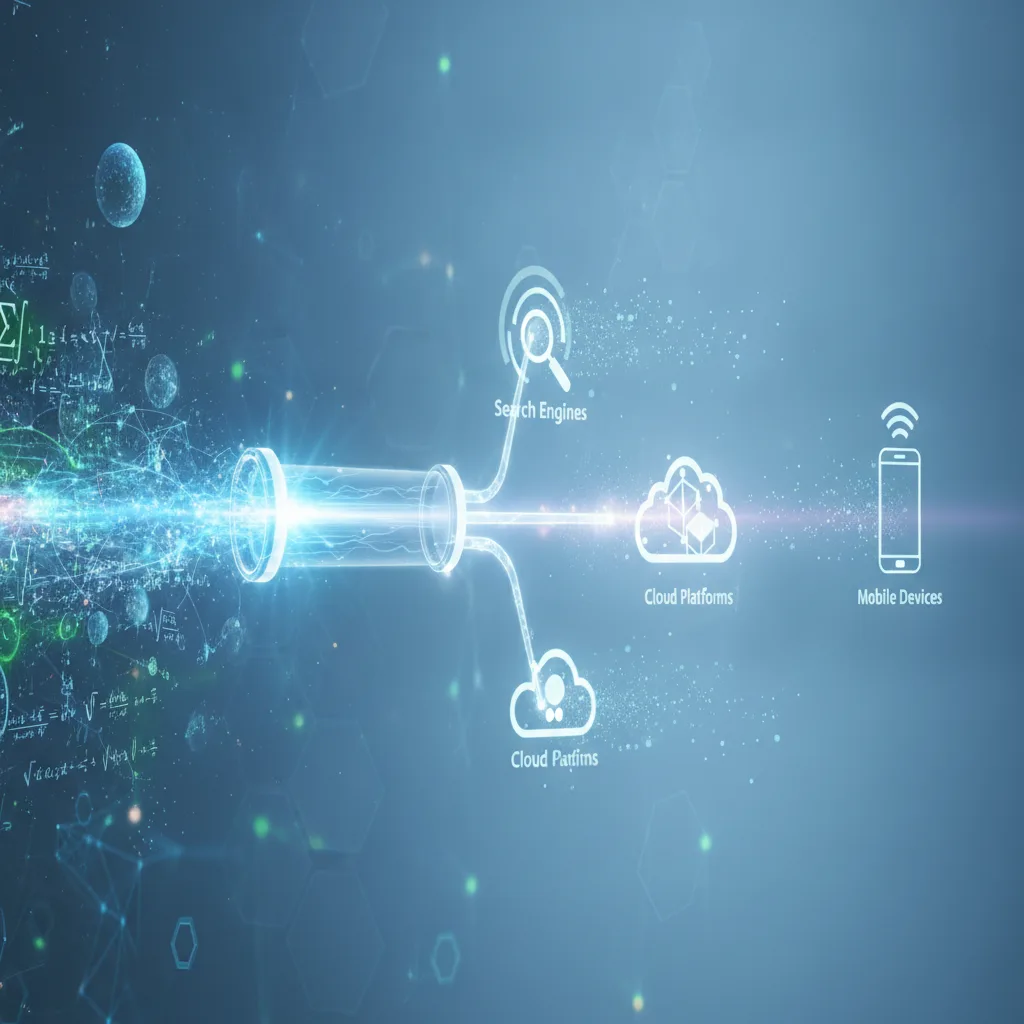
This means he's likely focused on ensuring that the next-generation Gemini models, or whatever comes after, aren't just powerful research artifacts but are architected from the ground up to be deployed seamlessly into Search, Workspace, Android, and potentially even Google Cloud services.
It’s a move that prioritizes strategic influence over direct operational control.
The Jeff Dean Departure: A Loss of Engineering Gravity
While Hassabis's shift is about strategic vision, Jeff Dean's departure is where the rubber meets the road for us infrastructure folks.
Dean isn't just a name; he's synonymous with the core engineering principles that built Google's distributed systems.
From MapReduce to BigTable, and later shaping TensorFlow and Google's ML infrastructure, his influence on how large-scale systems are designed and operated is legendary.
His exit from Google, after decades of foundational contributions, leaves a significant void in the practical, hands-on engineering leadership that makes AI models actually run in production.
This isn't to say Google lacks talent. Far from it. But Dean represented a unique blend of deep academic understanding and battle-hardened experience shipping systems that serve billions.
His departure suggests a potential shift in how Google approaches its core AI infrastructure. Will it become more standardized, perhaps leaning more heavily on existing Google Cloud primitives?
Or will it open the door for new architectural paradigms, unburdened by legacy thinking (even if that legacy thinking was brilliant)?
From my vantage point, the loss of Dean's practical, production-oriented leadership could mean a bumpier road for integrating bleeding-edge research into stable, scalable systems in the short term, even as Hassabis plots the long game.
The Unspoken Pressure: Google's AI Integration Imperative
This leadership change isn't happening in a vacuum. It's happening at a time when the AI arms race is more intense than ever.
OpenAI, backed by Microsoft, continues to push boundaries with its rapid iteration cycles.
Anthropic is carving out its niche with a strong focus on safety and constitutional AI. Amazon and Meta are pouring billions into their own foundational models.
Google, with its vast resources and deep research history, needs to move faster and more cohesively.
The market demands that their advanced AI models translate directly into competitive product features.
The days of DeepMind operating as a somewhat independent research lab, occasionally spinning off a Go-playing AI or a protein-folding breakthrough, are over.
The new structure, with Hassabis chairing and a new CEO (yet to be named, but undoubtedly reporting into a broader Google AI structure), indicates a mandate for tighter integration and a more unified AI strategy.
This means less internal friction, fewer siloes, and a clearer path from research to deployment.
Expect to see Google's AI products, from Gemini 2.5 in Workspace to new features in Google Cloud's Vertex AI, accelerating their feature velocity significantly by early 2027.
The Reality Check: Vision vs. Execution
While the strategic intent behind these changes seems clear, execution is always the hard part.
Merging distinct organizational cultures, even under the same corporate umbrella, is notoriously difficult. DeepMind has always had a distinct identity, fostering a research-first mindset.
Google's product divisions, on the other hand, are driven by user metrics, revenue targets, and release schedules. Bridging that gap, even with Hassabis's new influence, will be a monumental task.
There's also the question of talent retention.
High-profile departures like Jeff Dean's, even if amicable, can sometimes signal deeper shifts that cause other key engineers and researchers to reconsider their positions.
Google's ability to retain its top-tier AI talent and attract new stars will be critical in the coming 12-18 months.
The AI world is small, and opportunities abound.
The real test of this new structure won't be in the press releases, but in the stability of their engineering teams and the velocity of their product releases.
Practical Takeaways for Developers and Infrastructure Engineers
So, what does this all mean for those of us building systems and wrestling with AI in the trenches?
- Expect Consolidation and Standardization: With a unified strategic vision, Google is likely to push for more standardized AI infrastructure and tooling. If you're building on Google Cloud, expect Vertex AI to become an even more central hub, with clearer pathways for deploying custom models and leveraging Google's foundational models. Less bespoke, more platform.
- Focus on Integration Skills: The emphasis will be on integrating AI capabilities into existing applications. This means that engineers who understand how to consume APIs, manage data pipelines for AI, and implement AI-driven features in robust, scalable ways will be in high demand. It's less about training a new LLM from scratch and more about effectively using and fine-tuning existing powerful models.
- Watch for "Google-First" AI: Hassabis's broader role likely means a stronger push for Google's own AI models (Gemini, etc.) to be the default choice across its ecosystem. If you're currently platform-agnostic, keep an eye on how Google incentivizes the use of its own models versus others. This could manifest in better tooling, deeper integrations, or even more competitive pricing within Google Cloud.
- Security and Governance are Paramount: As AI becomes more deeply embedded, the surface area for security vulnerabilities and governance challenges expands dramatically. With a more unified approach, expect Google to double down on providing robust security and compliance frameworks for AI deployment. This is where infrastructure engineers with a security background will shine.
This isn't just a corporate reshuffle; it's a strategic move to optimize Google's immense AI power for unified, rapid deployment.
The shift at DeepMind represents Google's renewed commitment to shipping AI that isn't just groundbreaking in research, but transformative in production.
Do you think this leadership shift will accelerate Google's AI ambitions, or will the loss of key figures like Jeff Dean create unforeseen challenges in the coming year? Let's talk in the comments.