Flipper One Is Officially Announced. Stop Using Flipper Zero. It's Not What You Think

Bottom line: After years of rumors and delays, the Flipper One was officially announced in May 2026, pivoting from a pure microcontroller-based toy to a full Debian-based ARM system with modular SDR support and native Wi-Fi 6E auditing.
But the creators' unexpected "we need your help" Hacker News launch message reveals a stark reality: they are abandoning the script-kiddie demographic to build a serious security tool, and they need actual developers to port tools to its new OS.
If you bought a Flipper Zero to troll sports bars by turning off TVs, the One is going to leave you behind.
Throw your Flipper Zero in a drawer. I'm serious. The most overhyped piece of hardware of the 2020s just got rendered entirely obsolete.
After sitting on the front page of Hacker News all morning with over 1,100 points, the Flipper team finally dropped the bomb.
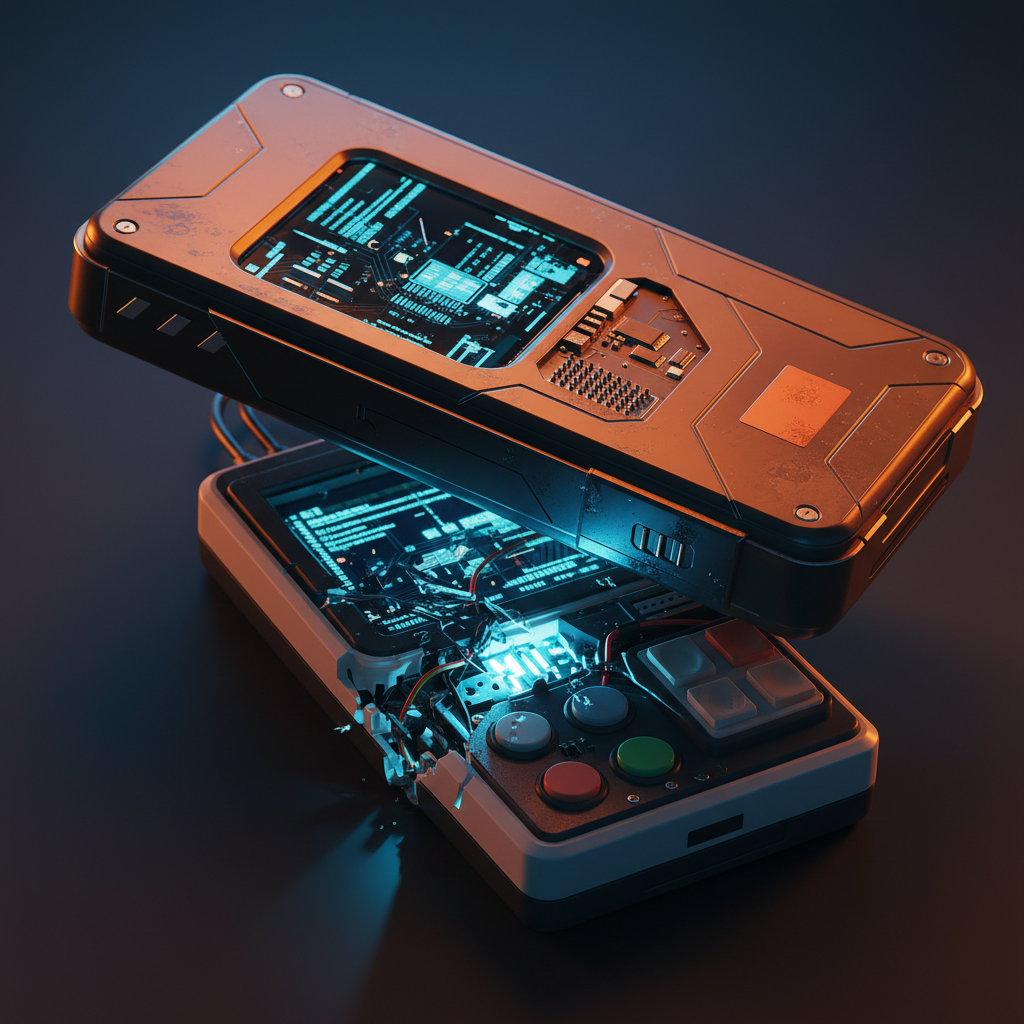
The Flipper One isn't just an iteration; it's a completely new platform. While designed to complement the Flipper Zero, it fundamentally shifts the ecosystem toward a higher-level Linux environment.
And honestly? It's about damn time. For the last four years, the cybersecurity industry has had to pretend that a $169 Tamagotchi was a serious threat model.
We watched an entire generation of tech enthusiasts convince themselves they were elite hackers because they downloaded a GitHub repo and pressed a button to open a 1990s garage door.
The Flipper One is here to aggressively filter the actual engineers from the TikTok pranksters.
The Illusion of the Pocket Hacker
I get it. You love your little cyber-dolphin. We all did when it first dropped on Kickstarter.
The Flipper Zero was brilliant hardware design paired with genius marketing. It took the incredibly dry, frustrating world of RF engineering and wrapped it in a gamified, pixel-art interface.
It made hardware hacking accessible to people who didn't know how to solder.
But accessibility came with a massive, unspoken cost. The Flipper Zero didn't teach people how to hack; it taught them how to consume.
Instead of learning how rolling codes worked, users just downloaded massive ZIP files of pre-recorded sub-1GHz frequencies.
Instead of understanding Bluetooth Low Energy protocols, they ran scripts to spam Apple TV pairing requests until the device crashed.
We replaced curiosity with a push-button dopamine hit. The device was so limited by its Cortex-M4 microcontroller that true exploration was impossible.
If you wanted to do serious Wi-Fi auditing, you had to strap a clunky ESP32 dev board to the GPIO pins, defeating the entire purpose of a sleek, all-in-one pocket tool.
The Zero became a cultural phenomenon, leading to Amazon bans and Canadian legislative panic, but it was fundamentally a toy. It was an appliance.
The Hardware That Changes Everything
The Flipper team knows this, which is exactly why the Flipper One is a complete architectural tear-down. This isn't a firmware update.
This is a full-blown Linux computer squeezed into a pocketable form factor.
Let's look at the specs that were just confirmed.
The Flipper One upgrades to an 8-core Rockchip RK3576 processor paired with a Raspberry Pi RP2350B co-processor, 8GB of LPDDR5 RAM, and a custom Debian-based distribution called Flipper OS.
More importantly, to avoid legal issues, the device removes built-in Layer 0 radios (Sub-GHz, NFC, etc.) and instead features a modular M.2 expansion slot where users must add their own true Software Defined Radio (SDR) and 5G modules.
You are no longer limited to blindly replaying captured signals. With a module added, you can visualize the spectrum, decode complex protocols on the fly, and run desktop-grade GNU Radio scripts natively in your hand.
It also finally integrates native Wi-Fi 6E with out-of-the-box support for monitor mode and packet injection. There are no more GPIO hats required to run a deauth attack or capture a handshake.
While the SDR relies on the M.2 slot, the Wi-Fi is baked directly into the silicon.
But this massive leap in capability is exactly why the Flipper team's launch post was titled "Flipper One – we need your help."
The Real Problem Nobody Talks About
The Flipper team is facing a massive existential crisis, and they know it. They built a piece of hardware so advanced that their current user base has no idea how to code for it.
Writing an app for the Flipper Zero meant writing a few hundred lines of C for a FreeRTOS environment. It was simple, constrained, and forgiving.
Writing an app for the Flipper One means writing full Linux applications, managing Wayland UI elements, and interfacing with raw SDR hardware.
The "we need your help" plea on Hacker News is a desperate call for actual developers.
They need the community to port tools like Kismet, Aircrack-ng, and Bettercap to their custom display and control scheme.
The real problem in the cybersecurity hardware space is that we've commoditized the output without democratizing the input. We made it easy to execute an attack, but we didn't make it any easier to understand the underlying architecture.
When you give a Linux SBC to a kid who only knows how to navigate a D-pad menu of pre-compiled `.flipper` files, they're going to hit a wall. The Flipper One isn't going to hold your hand.
If you don't know your way around a Bash terminal, this device is going to be a $300 paperweight.
How to Survive the Flipper One Transition
Instead of panicking that your stockpile of Zero payloads is about to become useless, treat this as the wake-up call it is. Stop playing with toys and start learning the fundamentals.
First, you need to understand Linux at a system level.
If you can't comfortably navigate file permissions, manage background processes, and compile software from source via a command line, you have no business buying a Flipper One.
Spend the next six months building tools on a Raspberry Pi Zero W.
Second, you have to learn how RF actually works. Drop the replay attacks and download GNU Radio. Buy a cheap $30 RTL-SDR dongle and learn how to identify signal modulation visually.
When the Flipper One ships next year, the people who know how to write custom DSP (Digital Signal Processing) flowgraphs are the ones who will control the ecosystem.
Finally, start writing actual code. The Flipper One is heavily pushing Python and Go for its application layer.
If you've been relying on other people's GitHub repositories for the last three years, it's time to contribute back.
The Flipper team has opened up their development portal and GitHub repositories today. You can explore the codebase right now and start building apps for the One before the hardware even ships.
There is no excuse for waiting.
Are You a Hacker or a Consumer?
The Flipper Zero was training wheels. It was a fantastic introduction to a world that usually guards its secrets behind massive walls of technical jargon and gatekeeping.
But training wheels are meant to come off. The Flipper One is forcing the entire community to decide what they actually want to be.
Do you want to be a security researcher, pushing the boundaries of what portable hardware can do? Or do you just want a cool orange gadget to show your friends at the bar?
The era of the push-button cyber-dolphin is over. The era of the pocket terminal has begun.
How many of your "hacker" skills are actually just muscle memory for navigating a Tamagotchi menu, and what are you going to do when that menu disappears? Let's talk in the comments.