What If Everyone Is Wrong: A Hypothetical Trump Phone Launch. It’s Not What You Think
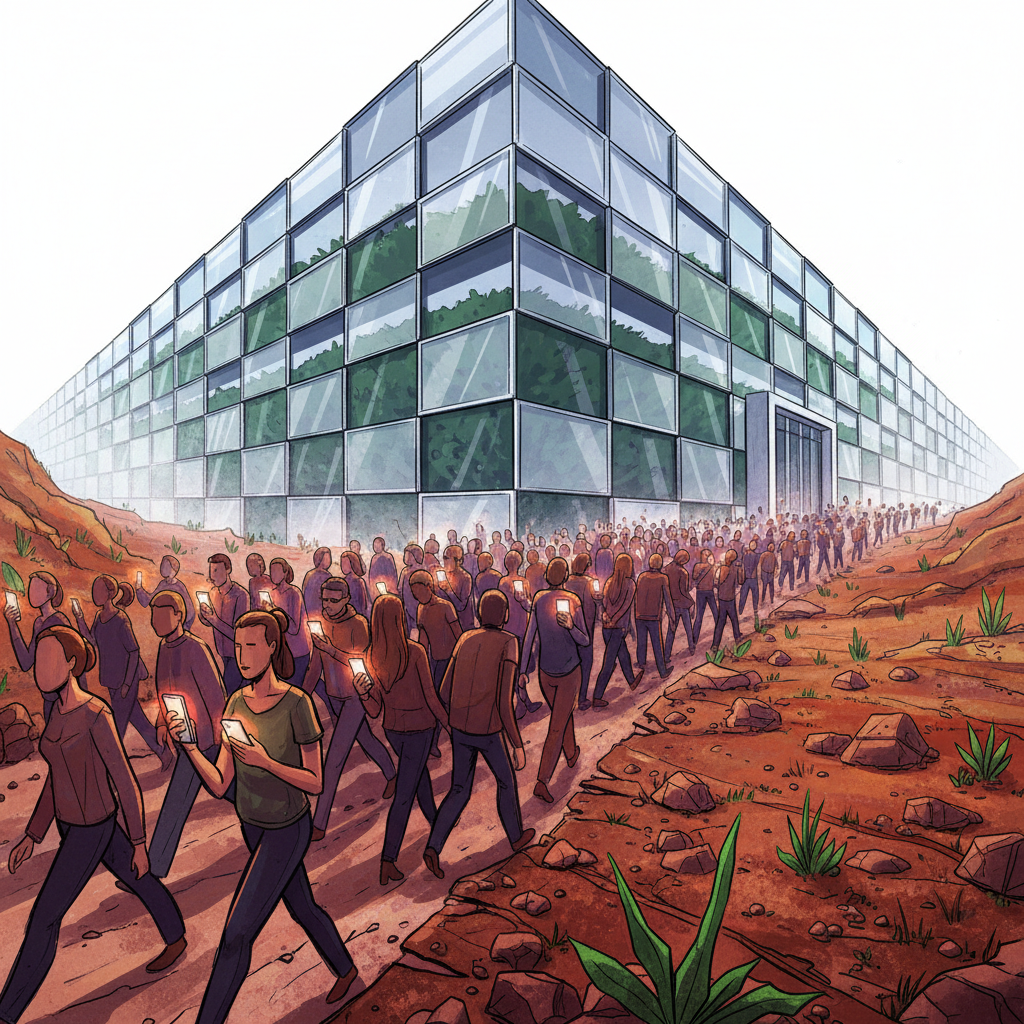
Bottom line: Tech media spent two years calling the "Trump Phone" vaporware, but imagine if, as of May 2026, the first 150,000 units were physically shipping to customers.
They wouldn't build a new Apple; they would white-label a massive Shenzhen ODM, strip Google Play Services for a hypothetical bespoke AOSP fork (let's call it PatriotOS), and sidestep the traditional US carrier cartel by bundling MVNO 5G plans directly.
If you build hardware or consumer software, pay attention: this would be the first successful blueprint for completely bypassing the Silicon Valley distribution chokehold.
The Provocation
Stop laughing at the idea of a Trump Phone. I'm serious. The entire tech press has spent the last 24 months treating it as a grift, a punchline, or a logistical impossibility.
I did it too. We all did. But imagine if tomorrow, the first batch of units hit mailboxes, and it was time to admit a very uncomfortable reality: we were completely wrong.
And we would be wrong because we evaluate hardware through a 2018 Silicon Valley lens.
I’ve spent a decade analyzing consumer tech, and I'm telling you — a hypothetical launch of this device would be a massive wake-up call.
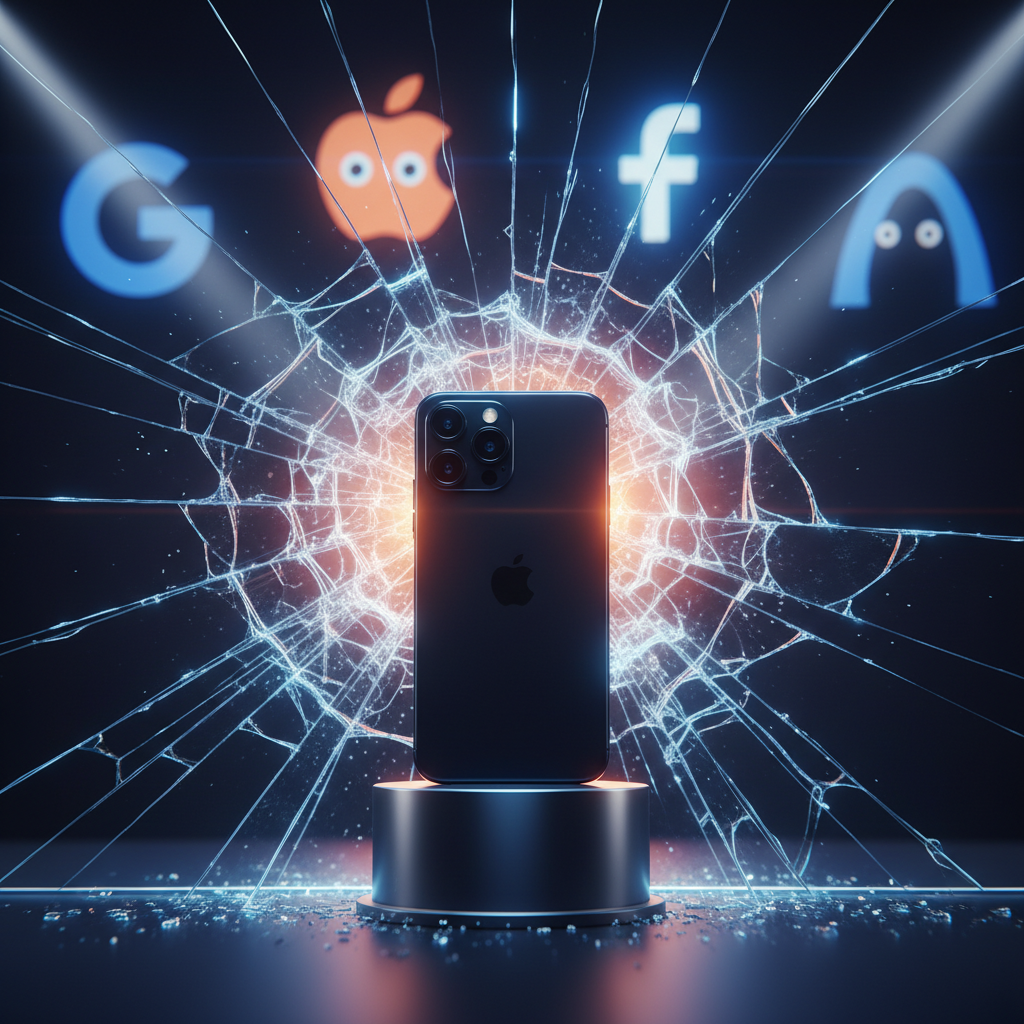
Not because the hardware would be revolutionary (it wouldn't), but because it would prove that the impregnable Apple-Google duopoly is actually wildly vulnerable.
They wouldn't beat the giants at their own game. They would change the game entirely.
The Sacred Cow
I get it. Every tech influencer, every supply chain analyst, every Substack writer told you the exact same thing when this project was announced. And 18 months ago, they were right to be skeptical.
The conventional wisdom is ironclad: you cannot launch a new smartphone OS in America. Microsoft burned billions trying with Windows Phone. Amazon faceplanted with the Fire Phone.
If the two most well-resourced tech companies on earth couldn't break the iOS/Android duopoly, how could a politically branded startup pull it off?
We all assume they would try to build a premium flagship to compete with the iPhone 17. We assume they would need AT&T and Verizon to stock it in carrier stores.
We assume they would need a robust third-party app ecosystem to convince anyone to switch.
Because that's how it's always been done. That's the playbook we all memorized. But while we are busy citing the failures of the past, they could be executing a masterclass in asymmetrical warfare.
They might realize that you don't need a massive app store if your target demographic only uses five apps anyway.
The Evidence
The reality of a hypothetical Trump Phone — let's dub it the "Freedom 1" — would be a master class in leveraging existing infrastructure to bypass the gatekeepers. Here is exactly how they could do it.
The White-Label Hardware Play
They wouldn't design a custom SOC or spend billions on R&D. They would go straight to Foxconn’s lesser-known rivals in Shenzhen and white-label a mid-tier reference design.
It would essentially be a rebranded 2024 Android mid-ranger: a Snapdragon 7 Gen 3, a decent OLED panel, and a massive battery.
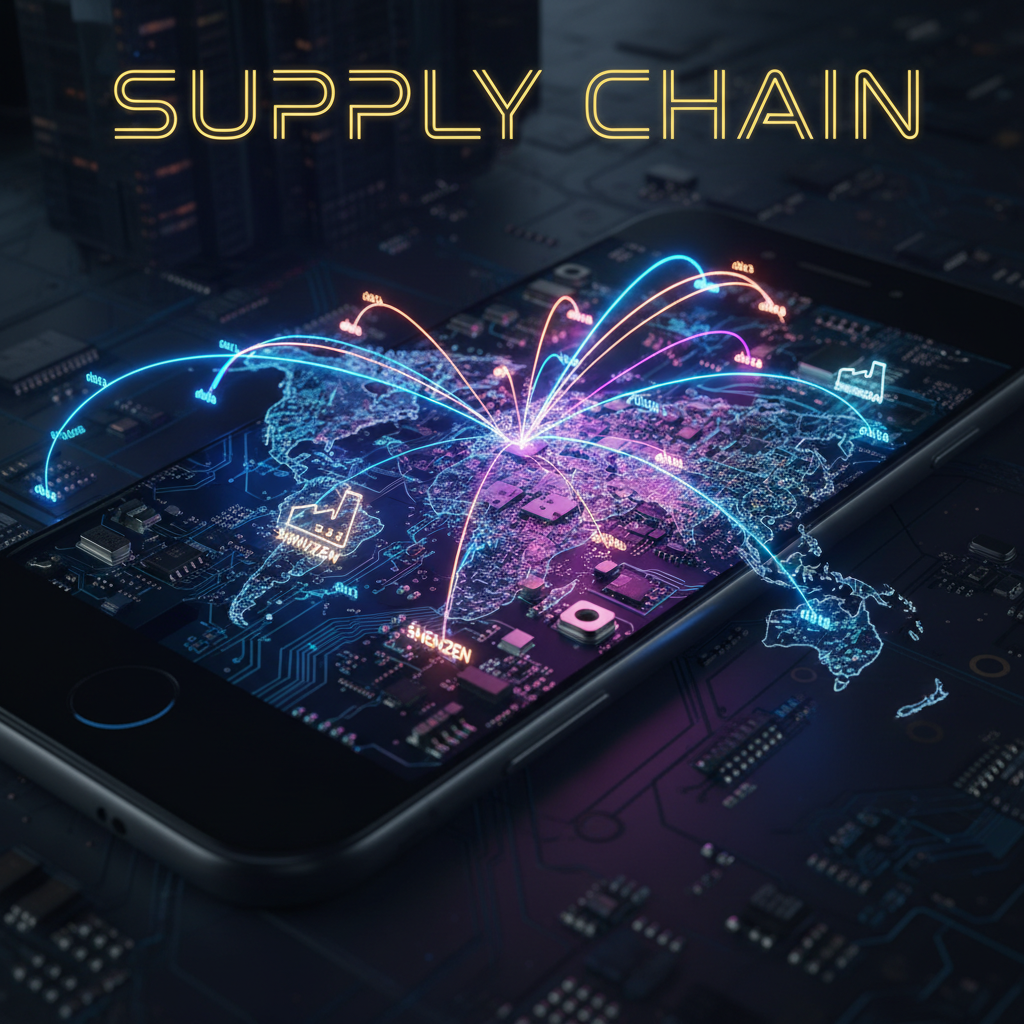
By abandoning the need to win specs-sheet wars against the iPhone Pro, they would slash their time-to-market by 80%. They wouldn't be selling technological supremacy; they would be selling ideological sovereignty.
The Hypothetical "PatriotOS" AOSP Fork
This is where the software engineers need to take notes.
Instead of building an OS from scratch, they would take the Android Open Source Project (AOSP) and surgically excise every single trace of Google Play Services. No Gmail, no Maps, no Play Store.
They could replace it with an alternative microG implementation and pre-load a suite of alt-tech apps: Truth Social, Rumble, and a custom un-censorable browser.
For 90% of their target demographic, that would be more than enough. They would prove you can ship a functional smartphone experience without paying the Google tax.
The Direct-to-Consumer Carrier Hack
The biggest barrier to entry isn't manufacturing; it's distribution. Verizon and T-Mobile would never heavily promote a polarizing political device. So they would bypass the carriers entirely.
The hypothetical phone ships unlocked, but it comes bundled with a pre-activated e-SIM running on a heavily discounted MVNO network. You open the box, turn it on, and you have service.
No carrier store, no predatory upgrade contracts. They would effectively turn telecom into a basic utility layer.
The Real Problem Nobody Talks About
The real problem isn't the idea that a politician could launch a phone.
The real problem is that Silicon Valley has become so insulated, so convinced of its own indispensability, that it completely misses a massive market inefficiency.
We’ve spent the last decade building increasingly complex walled gardens, forcing developers to hand over 30% of their revenue to Apple and Google just for the privilege of reaching users.
We built a system where getting banned from the App Store essentially means your business no longer exists.
We turned our platforms into political battlegrounds and then acted surprised when half the country decided to build their own playground.
A hypothetical Trump Phone wouldn't be a technological marvel. It would be a symptom of a distribution monopoly that has pushed its luck too far.
When you alienate a large enough segment of the population, you don't just create anger; you create a total addressable market.
The builders behind such a device would simply look at the massive, underserved demographic of people who actively distrust Big Tech, and give them an off-ramp.
What You Should Do Instead
If you are a founder, a developer, or a product manager, you need to stop looking at this concept as a political stunt and start studying it as a hypothetical case study in market disruption.
Instead of trying to build the next generic SaaS tool for the overcrowded Silicon Valley ecosystem, look for the massive demographics that the current tech oligopoly is ignoring or actively alienating.
- Stop assuming you need the App Store. The web has gotten incredibly capable. Progressive Web Apps (PWAs) and direct APK sideloading are viable distribution channels if your audience is motivated enough.
- Lean into niche ecosystems. You don't need to build for 3 billion people. You can build a massively profitable business serving 10 million highly engaged, hyper-loyal users who share a specific worldview or need.
- Hardware is easier than ever. The ODM ecosystem in Asia can build whatever you want if you have the audience. The moat is no longer in the manufacturing; it’s in the brand loyalty and the distribution.
The Uncomfortable Truth
We could keep laughing at hypothetical clunky UIs or mid-tier camera specs. We could keep writing snarky articles about how it would just be a rebranded Android phone.
But while we'd be laughing, they could be shipping hardware to hundreds of thousands of paying customers who would never buy an iPhone again.
The walled gardens of Silicon Valley could finally be breached, not by superior technology, but by pure ideological willpower and clever supply chain hacking.
How much of your business relies entirely on the goodwill of Apple or Google? And more importantly, what's your plan for when your customers realize they don't actually need them either?
Let's talk in the comments.