Stop Buying Sardines. Social Media Just Made Them Impossible to Find.
In this article
Bottom line: Canned sardines have gone from pantry afterthought to sold-out status symbol, driven by a TikTok and Instagram trend that turned tinned fish into an aesthetic — stacked on charcuterie boards, paired with wine, and treated as a $6 flex.
At the same time, real sardine stocks off Morocco and Portugal have been shrinking for years due to overfishing and warming waters, forcing quota cuts from regulators.
The result is a genuine supply squeeze meeting a demand spike, and grocery shelves are the collateral damage.
If you actually want sardines this month, buy whatever tin is in stock — don't wait for your favorite brand to restock, because it might not.
You know something's gone sideways in the economy when you can't find a $4 can of fish.
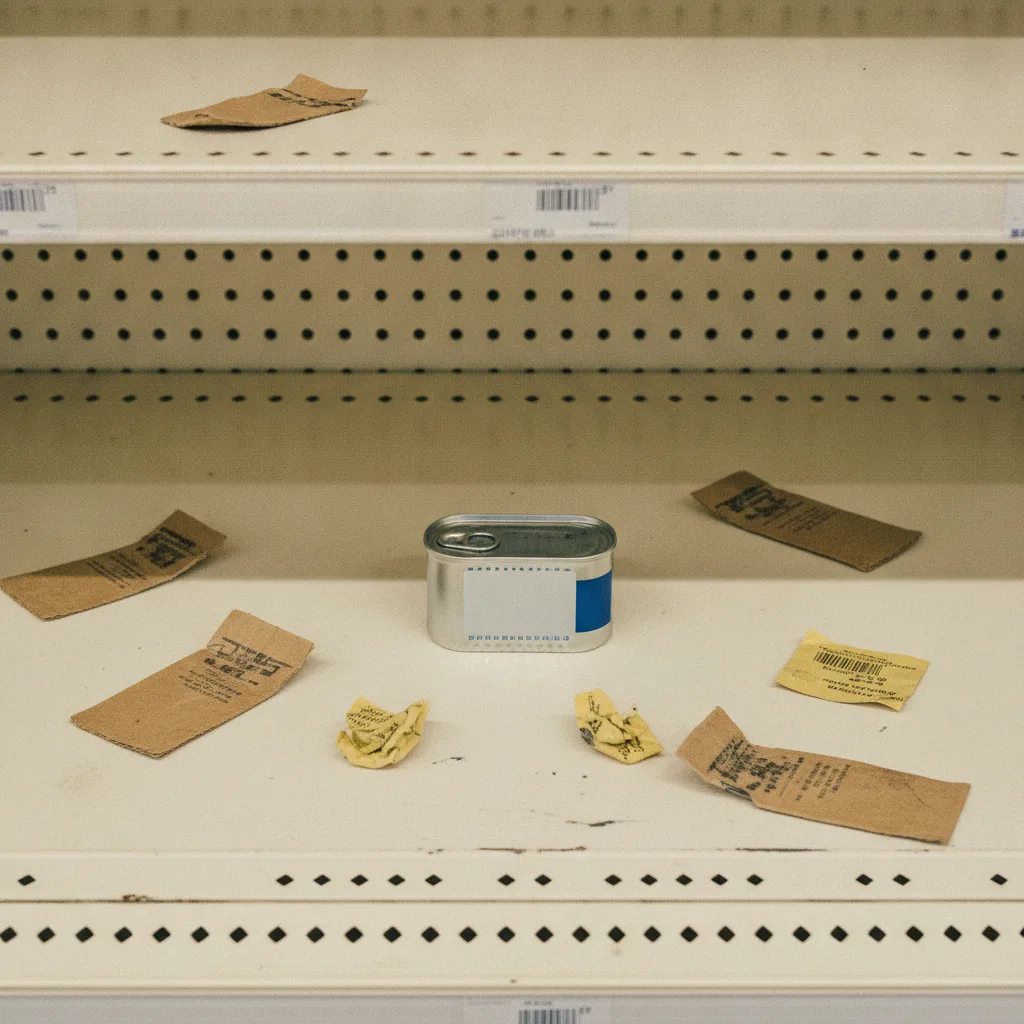
I went to three grocery stores last week looking for a specific tin of sardines — the kind with the pull-tab lid and a picture of a boat on the label — and came back with nothing.
Empty shelf space where a whole category used to be.
Turns out I wasn't the only one.
"Tinned fish" searches and hashtags have exploded across TikTok and Instagram over the past two years, turning a $2 pantry staple into something people photograph before they eat it.
The Trend Nobody Saw Coming (Except Everyone on TikTok)
It started, more or less, as a joke. "Girl dinner" — the internet's shorthand for a plate of random snacks eaten standing at the counter — normalized eating straight from a tin.
Then came "tinned fish date night," where couples arrange sardines, anchovies, and smoked mussels on a board like a cheese platter and pair them with a chilled white wine.
It's cheap, it photographs beautifully, and it scratches the same itch as the natural wine and hyper-local restaurant trends that came before it: looking sophisticated while spending very little money.
Boutique brands leaned in hard.
Companies like Fishwife, Scout, and Jose Gourmet redesigned their labels to look like art prints instead of grocery store cans, and the aesthetic upgrade worked exactly as intended.
Sardines stopped being what your grandfather ate on crackers and became something a 28-year-old puts on their Instagram story next to a glass of orange wine.
Add in the wellness angle — sardines are cheap, shelf-stable protein loaded with omega-3s, calcium, and vitamin D — and you've got a trend with staying power instead of a one-week meme.
The Part Social Media Didn't Cause (But Made Worse)
Here's where it gets less funny.
Wild sardine populations off Morocco and Portugal — two of the biggest sources of the world's canned sardines — have been declining for years, independent of any TikTok trend.
Warmer ocean temperatures have pushed sardine schools to migrate into different waters, and decades of heavy fishing pressure have thinned the stocks that remain.
Moroccan and Portuguese regulators have both cut catch quotas in response, trying to keep the fishery from collapsing the way it nearly did in past decades.
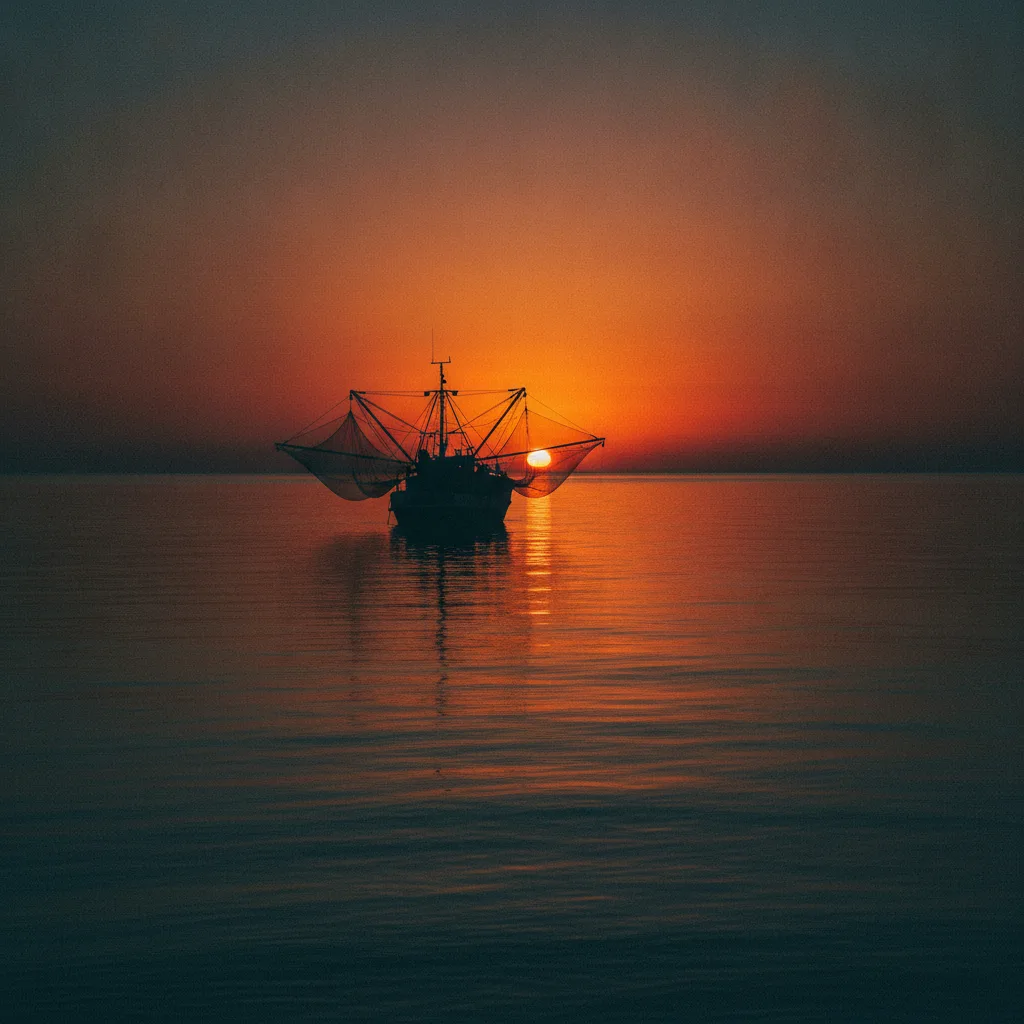
That means the actual supply of sardines has been tightening at the exact moment demand went vertical. It's not one cause — it's two separate problems stacking on top of each other:
- A real, measurable decline in wild sardine stocks and government-mandated catch limits - A viral demand spike from a food trend that turned a humble tin into a lifestyle product
Either one alone would be a minor supply story. Together, they've emptied shelves.
Why This Feels So Strange to Watch Happen
There's something genuinely disorienting about watching a canned good — historically the definition of "boring but reliable" — become the thing you can't find.
Canned food exists precisely because it's supposed to be immune to this kind of chaos. It doesn't spoil, it doesn't have a growing season, it sits on a shelf for years.
Sardines broke that assumption. They turned out to be exposed to the same forces as everything else: a finite natural resource, a fishing industry operating near its limits, and a social media algorithm that can turn any product into a shortage almost overnight.
This isn't the first time a niche food got algorithm-boosted into scarcity. Feta cheese had a viral pasta moment. Olive oil had its own TikTok run.
Pistachios spiked hard around the "Dubai chocolate" trend.
But those were mostly demand stories — the raw ingredients were still out there in normal supply, just suddenly harder to get on shelves because everyone wanted the same jar at once.
Sardines are different because the underlying resource really is shrinking. You can plant more pistachio trees. You can't just decide to grow more wild fish in the ocean.
What Actually Happens Next
The supply chain will eventually adjust — it always does.
Brands will source from different fisheries, prices will climb to reflect real scarcity, and eventually the trend cycle will move on to whatever tinned food is next (smoked oysters seem to be next in line, if you're taking bets).
But there are a few things worth knowing if you're actually trying to buy sardines right now:
- Skip the trend brands. The Instagram-famous labels are the ones selling out fastest because that's where the demand is concentrated. Older, less photogenic brands like King Oscar or Season are often sitting untouched on the same shelf.
- Check ethnic grocery stores. Mediterranean, Portuguese, and Latin American markets often carry sardines through different distributors entirely, and they're far less likely to be picked over by the TikTok crowd.
- Consider a different small fish. Anchovies, mackerel, and smoked mussels deliver similar nutrition and a similar snack-board aesthetic, and none of them are having a viral moment yet.
- Buy what's available, not what's ideal. If you're waiting for a specific brand or flavor to restock, you might be waiting a while. The category-wide shortage means substitution is the more realistic strategy right now.
None of this is really about sardines, if you think about it for more than a minute.
It's about how fast internet culture can now collide with a genuinely finite physical resource — something that took the ocean years to produce and an app a few months to turn into a shortage.
We've watched social media create artificial scarcity around sneakers and concert tickets before.
This might be the first time it's helped empty a shelf that was already running low for reasons that have nothing to do with an app at all.
Have you noticed a food or product you love getting harder to find lately — and did you ever trace it back to a trend online?
I'd genuinely like to know what else has quietly disappeared off your grocery list.