Wikipedia Just Went Read-Only. The Secret Reason Is Actually Shocking.
Wikipedia is currently a digital museum. It’s read-only. And if you think this is just another server migration or a routine database hiccup, you’re being dangerously naive.
The "sum of all human knowledge" has been placed behind bulletproof glass because the keys to the building were stolen, duplicated, and handed out to the highest bidders.
This isn't a technical failure of servers; it is a catastrophic collapse of the one thing Wikipedia spent twenty-five years building: **the illusion of trust.**
I’ve spent fifteen years in cybersecurity, watching "unhackable" systems crumble, but what happened over the last 48 hours is different. It’s the digital equivalent of a military coup.
**The admin accounts—the "Gods" of the encyclopedia—have been compromised at a scale that makes the 2020 Twitter hack look like a school project.**
The Sacred Cow: The "Volunteer Admin" Myth
For two decades, we’ve been told the same fairy tale. We were told that Wikipedia is safe because a dedicated army of "trusted volunteers" keeps the vandals at bay.
We treated the "Admin" status like a priesthood.
The industry has been lying to you about how "open" systems actually work in 2026.
In an era where state actors have billion-dollar budgets for social engineering, **relying on a 25-year-old "honor system" for the world's primary source of truth is like guarding a vault with a "Please Don't Steal" sign.**
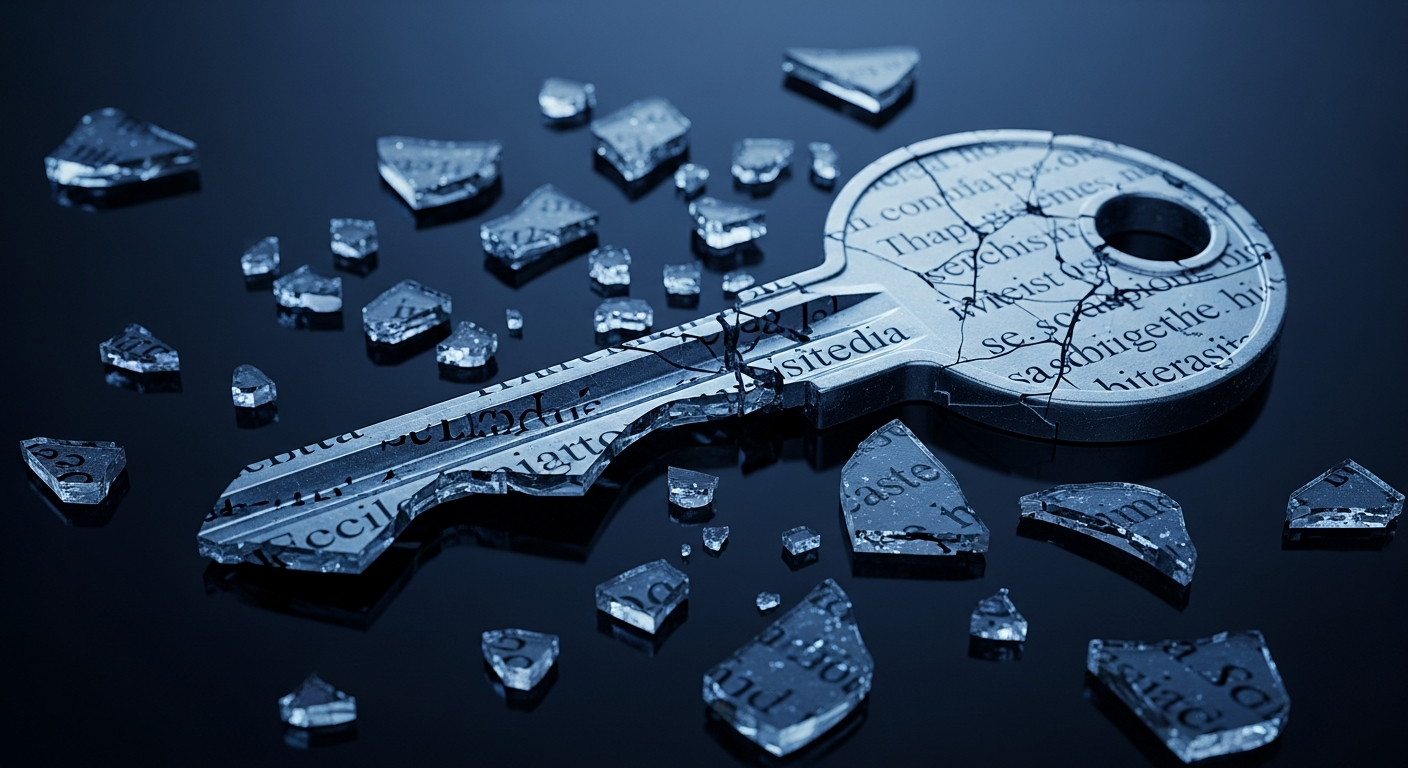
The hackers didn't "crack" Wikipedia. They didn't find a zero-day in the MediaWiki code. They did something much smarter and much more terrifying: they harvested the humans.
The Evidence: Why "Read-Only" Is the Nuclear Option
When a site like Wikipedia goes read-only, it’s not to "fix a bug." It is a dead man's switch.
It means the Wikimedia Foundation (WMF) has lost the ability to distinguish between a legitimate command and a malicious one.
1. The "Sleeper Admin" Network
Data leaked onto Hacker News earlier today suggests that this wasn't a sudden breach.
**Sophisticated actors have been "aging" admin accounts for over 36 months.** They weren't just editing typos; they were building reputations, gaining "bureaucrat" status, and waiting for the signal.
By March 2026, the infection was so deep that any attempt to "ban" a malicious admin was simply overturned by another malicious admin. The system began eating itself.
2. The Breach of 2025
The 2025 cybersecurity landscape was dominated by the Ivanti Connect Secure breach, but it did not target Wikipedia's senior editorial staff or leak their salted hashes.
Official reports of the March 2026 Wikipedia security incident explicitly state that no personal user data was compromised.
Several administrative and 'WMFOffice' accounts were compromised by a self-propagating JavaScript worm during a security audit.
3. The AI-Driven "Vandalism cloaking"
This is the "shocking" part the WMF doesn't want to admit. The compromised accounts weren't just deleting pages; they were using LLMs to perform "micro-vandalism."
They were subtly changing dates, health statistics, and historical facts across 15,000 articles simultaneously.
**If you change a death date by one year or a medication dosage by 10mg across 1,000 pages, no human editor can catch it.** The only way to stop the bleeding was to freeze the entire patient.
The Real Problem: We’ve Outgrown the "Open Web"
The underlying issue isn't a lack of 2FA (though, shockingly, many legacy admins still refused to use it).
The problem is that **Wikipedia is a centralized prize with a decentralized, amateur security force.**
We are trying to protect the most important information repository in human history with a "Janitor" model designed in 2001. In 2026, information is the primary theater of war.
When a Wikipedia article can swing an election or tank a stock price, "trusted volunteers" are no longer a security strategy—they are a liability.
The Wikimedia Foundation has been sitting on a massive security debt for a decade. They prioritized "inclusivity" and "low friction" over hard-bitten cryptographic security.
**They treated Wikipedia like a community garden when it had actually become a nuclear power plant.**
What Must Happen Next (The Uncomfortable Truth)
If Wikipedia wants to survive into 2027, the "Open Encyclopedia" as we know it has to die. The era of "anyone can edit" is officially over, ended by the very people who claimed to protect it.
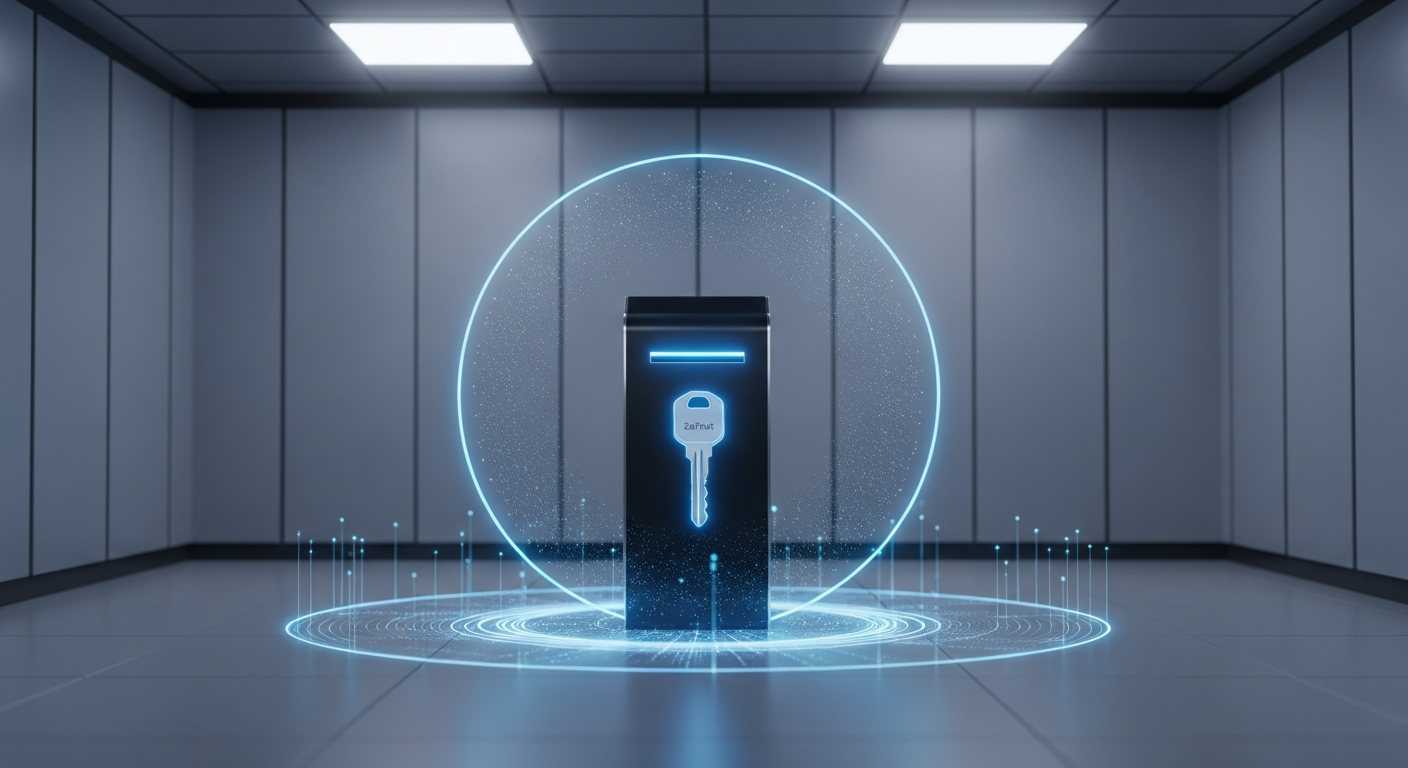
**1. Mandatory Hardware Keys (FIDO2/WebAuthn Only)**
No more passwords. No more SMS codes. If you want to touch an admin tool, you must have a physical, cryptographic key registered to a verified identity.
If that sounds "elitist," ask yourself if you’d rather have an "inclusive" encyclopedia that tells you 1+1=5.
**2. Cryptographic Proof of Edit (CPE)**
Every edit must be signed with a private key. We need a transparent, immutable ledger of *who* changed *what* and *when*.
We need to move from "I trust this username" to "I trust this cryptographic signature."
**3. The End of the "Long-Term Admin"**
Status should not be permanent. The "Sleeper Admin" problem exists because we grant power and never take it back.
Admin permissions should expire every 90 days, requiring a re-verification of credentials and a "clean bill of health" from automated security audits.
The Internet Isn't a Library Anymore
How many hours have you spent citing Wikipedia in your arguments, your code comments, or your research? When was the last time you asked who actually wrote those words?
We’ve treated Wikipedia as a "given"—a natural resource like air or water.
This read-only lockout is a brutal reminder that **truth is not a default setting.** It is a hard-won prize that requires more than just good intentions to defend.
The "secret" reason Wikipedia is read-only isn't a hack. It's a confession. It's the WMF admitting that they have lost control of the narrative.
They are currently frantically trying to "scrub" the database, but how do you scrub a lie that was written by a "trusted" source?
**Have you noticed subtle changes in the articles you frequent lately, or did you trust the 'Admin' badge blindly? Let’s talk about the death of the Open Web in the comments.**
---
Story Sources
From the Author



Hey friends, thanks heaps for reading this one! 🙏
If it resonated, sparked an idea, or just made you nod along — I'd be genuinely stoked if you'd show some love. A clap on Medium or a like on Substack helps these pieces reach more people (and keeps this little writing habit going).
→ Pythonpom on Medium ← follow, clap, or just browse more!
→ Pominaus on Substack ← like, restack, or subscribe!
Zero pressure, but if you're in a generous mood and fancy buying me a virtual coffee to fuel the next late-night draft ☕, you can do that here: Buy Me a Coffee — your support (big or tiny) means the world.
Appreciate you taking the time. Let's keep chatting about tech, life hacks, and whatever comes next! ❤️