What's going on with Cuba having food and fuel shortages? - A Developer's Story
I Spent 3 Weeks Without Reliable Power or Food. Cuba's Crisis Taught Me What Actually Matters.
Last month, I volunteered to help a friend's family evacuate from Havana. What was supposed to be a 48-hour trip turned into three weeks when the airport shut down due to fuel shortages.
No flights, no rental cars, no way out.
I've done plenty of digital detoxes and minimalism challenges.
But nothing prepared me for what happens when an entire country's infrastructure collapses — and what that taught me about the fragility of our "essential" daily routines.
The Reality No One's Talking About
Cuba is experiencing its worst economic crisis since the 1990s "Special Period" following the Soviet collapse. But this isn't just about politics or embargoes anymore.
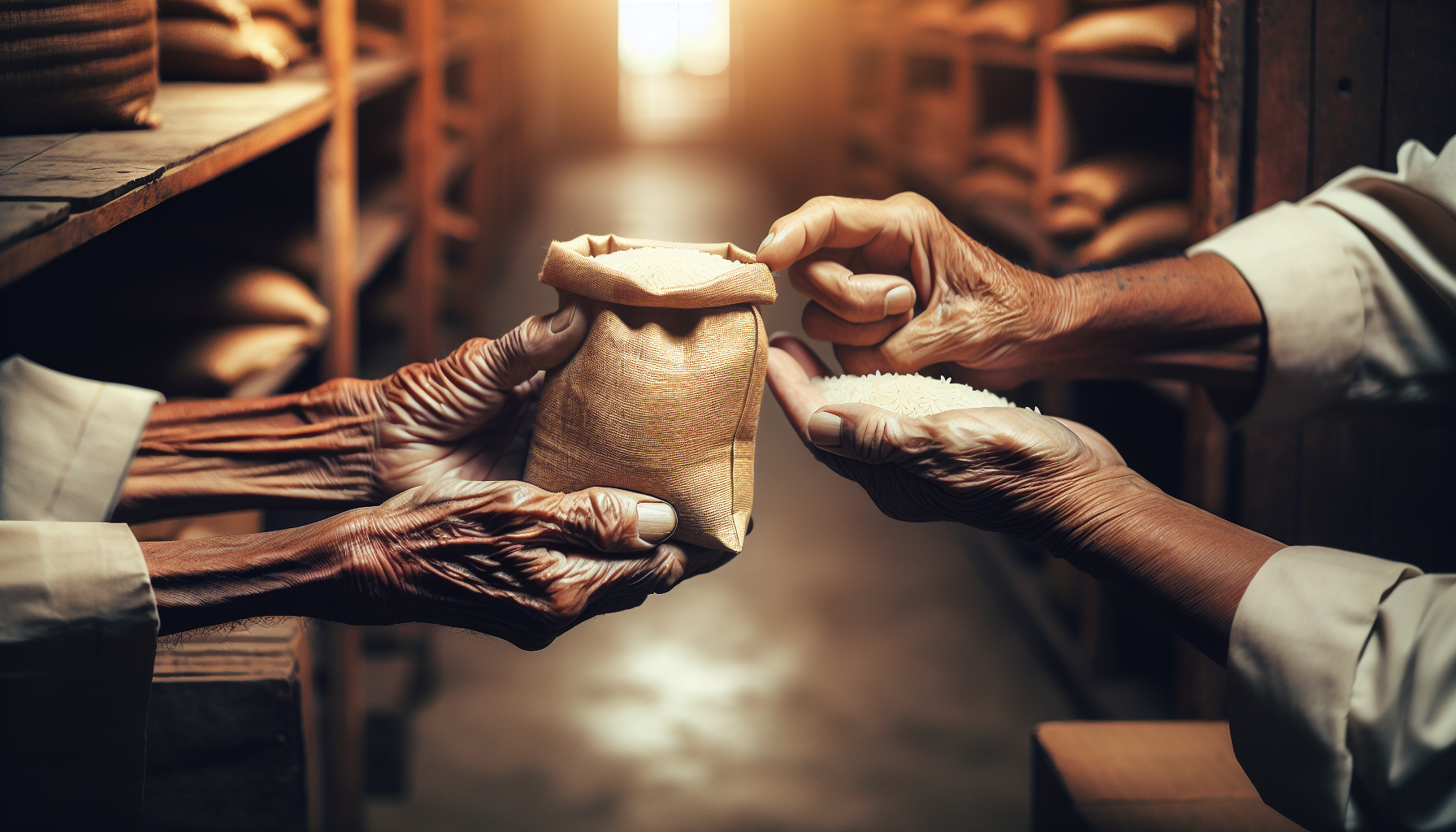
**The numbers are staggering:** Food production has dropped 77% since 2018. The country produces only 30% of the electricity it needs.
Approximately 200,000-250,000 Cubans fled in 2024 alone — that's 5% of the entire population in a single year.
My friend's cousin, a doctor in Havana, makes $40 per month. A pound of chicken costs $15 on the black market. Do the math.
But here's what struck me most: Despite having every reason to panic, most Cubans I met weren't paralyzed by anxiety like I was.
They had something I'd lost somewhere between my morning optimization routine and my evening wind-down protocol.
They had **acceptance without resignation**.
When Systems Fail, Humans Adapt
On Day 3 without power, I had a meltdown. My phone was dead. I couldn't check email.
I didn't know what was happening in the world. I felt like I was dissolving.
María, the 74-year-old woman whose house we stayed in, found me stress-pacing in her garden at 5 AM.
She handed me a cup of coffee — somehow still hot, made on a charcoal stove — and said something I'll never forget:
"You're mourning things that were never yours. The electricity, the internet, the control. They were always borrowed."
She was right. **I wasn't stressed about survival. I was stressed about losing my illusions.**
In Cuba, the power goes out for 12-20 hours daily. It's scheduled, mostly. "Mostly" becomes a very flexible word when you're living it.
People plan their entire days around these blackouts. Cook when there's power. Charge everything.
Fill buckets with water. Then wait.
But the waiting isn't passive. It's communal.
The Framework: Scarcity vs. Simplicity
Living through infrastructure collapse taught me there's a massive difference between voluntary simplicity and involuntary scarcity. One is a choice. The other is survival.
But both reveal the same truth about what we actually need versus what we think we need.
I started mapping what I call **The Three Circles of Need**:
Circle 1: Biological Survival
- Water (3 days without = death) - Food (3 weeks without = death) - Shelter from elements - Basic medical care
In Cuba, even this circle is threatened. People are mixing sugar water with vitamins and calling it dinner. That's not minimalism. That's hunger.
Circle 2: Psychological Security
- Predictable routines - Social connection - Purpose or meaningful activity - Hope for improvement
This is where most of us in developed nations live. We think we're struggling in Circle 1 ("I NEED my morning coffee"), but we're really just uncomfortable in Circle 2.
Circle 3: Modern Optimization
- Productivity systems - Self-optimization - Convenience technology - Personalized everything
This is where I'd been living my entire adult life. In Cuba, Circle 3 doesn't exist. It's not even a concept.
**The revelation**: When Circle 3 collapses, you realize it was mostly noise. When Circle 2 wobbles, you get anxious but adapt. When Circle 1 breaks, community becomes everything.
What Collapse Actually Looks Like
Collapse isn't dramatic. It's not zombies or Mad Max. It's waiting in line for 6 hours to buy two pounds of rice.
It's your dentist becoming a taxi driver because teeth don't pay bills. It's choosing between medicine for your diabetes or food for your kids.
**It's death by a thousand small surrenders.**
Every Cuban I met had a hustle. The engineer who fixes 1950s cars with handmade parts. The programmer who codes for German companies using the national library's single working computer.
The farmer who trades tomatoes for toilet paper, then toilet paper for cooking oil, then cooking oil for phone credit to call his daughter in Miami.
This isn't entrepreneurship. It's algorithmic survival — constantly calculating the next three moves to stay alive.
But here's what shocked me: People still laugh. They still dance. They still fall in love. They still help strangers.
When everything external falls apart, something internal continues. Maybe even intensifies.
The American Anxiety Complex
Coming back to the States was harder than being in Cuba. The reverse culture shock hit like a truck doing 90.
Everyone here is optimizing for problems that don't exist while ignoring the ones that do. We're taking cold plunges to build resilience while Cuba is teaching actual resilience through actual crisis.
We're doing dopamine detoxes while they're doing involuntary everything-detoxes.
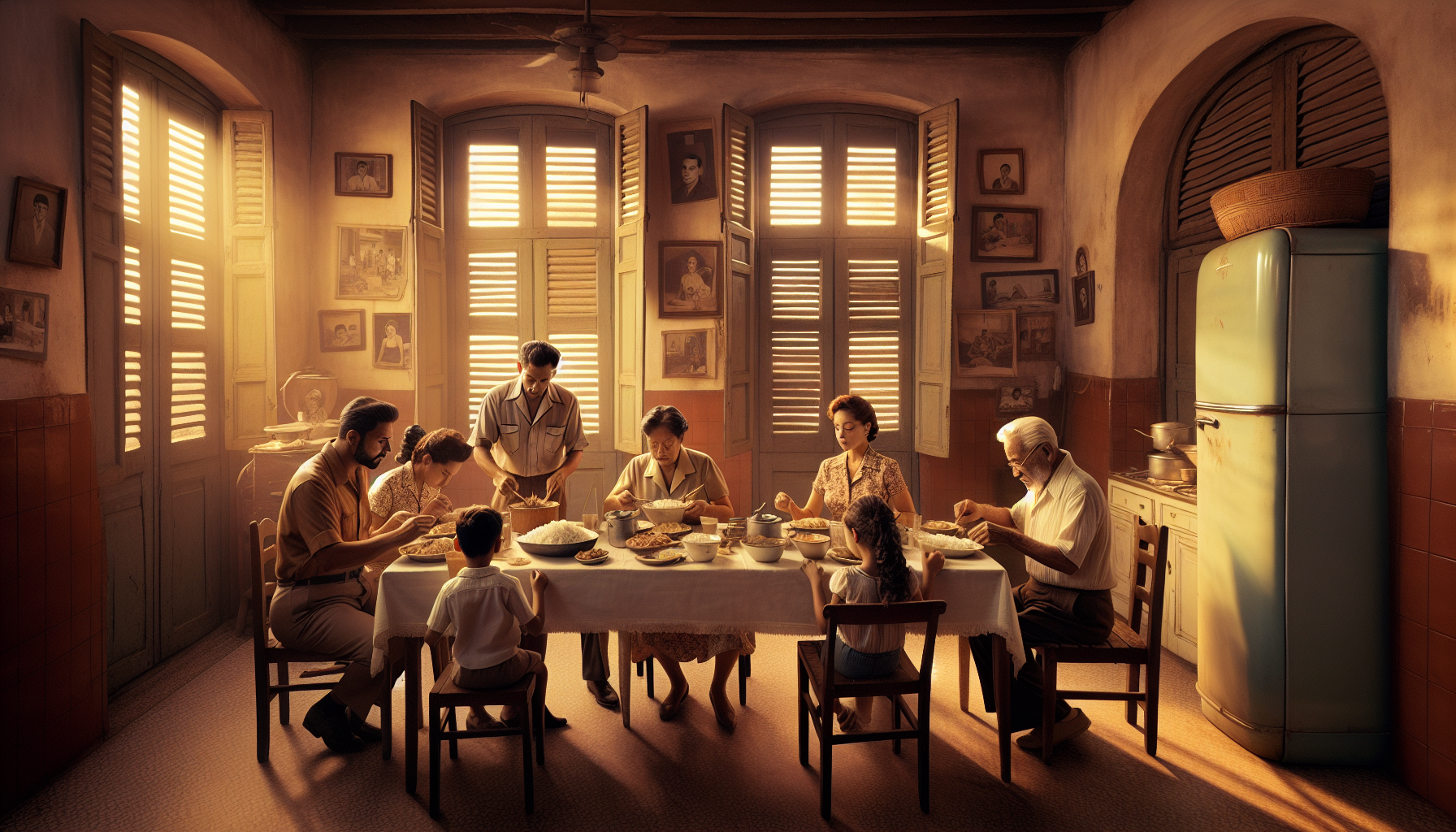
**We've monetized discomfort because we've eliminated actual hardship.**
I watched a YouTube video about "monk mode productivity" last week.
The guy was advocating for 4 AM wake-ups and 18-hour work days to "maximize output." Meanwhile, María in Havana wakes up at 4 AM because that's when the water pressure is highest, and she needs to fill buckets for the day.
Same action, entirely different universe.
The Uncomfortable Truth About Preparedness
Everyone wants to believe they'd handle crisis well. We buy emergency kits. We read about stoicism. We practice intermittent fasting to "build mental toughness."
But crisis doesn't care about your preparation. It cares about your ability to let go.
The Cubans who are surviving — not thriving, but surviving — have mastered something we've completely lost: **community interdependence**. Not independence. Interdependence.
When the power goes out, everyone in the building shares their charged batteries. When someone gets food, the whole floor eats. When someone's sick, neighbors become nurses.
We've optimized for individual resilience when what actually saves you is collective resilience.
What This Means For Us (Yes, Really)
I'm not saying we should romanticize poverty or pretend Cuba's situation is anything other than desperate. It's a humanitarian crisis. People are suffering.
But their suffering is teaching something we desperately need to learn: **Most of our anxiety comes from protecting things that aren't essential.**
Since coming back, I've started practicing what I call "Controlled Degradation":
1. **One day per week, no power**: Sunday is my infrastructure sabbath. Phone off, laptop closed, lights out. I read, walk, talk to actual humans.
2. **Scarcity cooking**: Once a week, I cook only with what's already in my pantry. No shopping, no ordering. You'd be amazed what you can make with rice, beans, and creativity.
3. **Interdependence practice**: I've started a building WhatsApp group. Not for emergencies — for everything.
Borrowing eggs, sharing tools, checking on each other. It's awkward as hell in American culture. It's also slowly working.
These aren't poverty cosplay. They're recognition that our systems are more fragile than we think, and our communities are weaker than we need.
The Question Nobody's Asking
We keep asking "How did Cuba get so bad?" when we should be asking "How did we get so isolated?"
Their crisis is economic and political. Ours is existential and social. Both are killing people, just at different speeds.
María sends me WhatsApp messages when she has wifi (about once a week). Last week she wrote: "We have nothing but we have each other. You have everything but you have no one. Which crisis is worse?"
I still don't have an answer.
**What single modern convenience could you give up tomorrow that would force you to connect with another human? And why does that question feel so threatening?
I'd genuinely love to know — share your thoughts below.**
---
Story Sources
From the Author



Hey friends, thanks heaps for reading this one! 🙏
If it resonated, sparked an idea, or just made you nod along — I'd be genuinely stoked if you'd show some love. A clap on Medium or a like on Substack helps these pieces reach more people (and keeps this little writing habit going).
→ Pythonpom on Medium ← follow, clap, or just browse more!
→ Pominaus on Substack ← like, restack, or subscribe!
Zero pressure, but if you're in a generous mood and fancy buying me a virtual coffee to fuel the next late-night draft ☕, you can do that here: Buy Me a Coffee — your support (big or tiny) means the world.
Appreciate you taking the time. Let's keep chatting about tech, life hacks, and whatever comes next! ❤️