America's AI Brain Drain: Why Our Top Scientists are Packing Their Bags - A Developer's Story
I used to believe America’s lead in AI was unassailable. I truly did.
But after spending the last 18 months trying to recruit top-tier machine learning engineers for a new initiative, I’ve realized something unsettling: we aren't just losing the lead; we are actively pushing the talent away.
This isn't just about a few missed hires; it’s a systemic brain drain that’s quietly eroding American scientific leadership, and it's happening faster than most realize.
---
The Illusion of Inevitable Dominance
Like many in the tech world, I’ve been riding the AI wave for years.
From tinkering with early neural networks to leveraging the raw power of GPT-5 and the latest Claude 4 iterations in my daily workflows today, the speed of innovation has been breathtaking.
We often hear the narrative: Silicon Valley is the epicenter, American universities are the gold standard, and our venture capital fuels the future.
It's a comforting story, one that suggests our dominance is a natural, inevitable outcome.
But that narrative is becoming a dangerous illusion.

In 2025, I was tasked with building a specialized AI research team. I assumed we’d have our pick of candidates from Stanford, MIT, and Carnegie Mellon.
Instead, I encountered a sobering reality: the talent pool is no longer just competitive; it is *migratory*.
I watched as three top candidates—all PhDs with breakthrough publications—chose offers from labs in Toronto, London, and Abu Dhabi. It wasn't about the salary.
It was about visa accessibility, research freedom, and long-term stability. It forced me to ask: Are we becoming less attractive to the very people who will define the next decade of AI?
---
The Three Cracks in the Foundation
The brain drain isn't a single event; it's a slow erosion caused by three critical cracks in America's foundation.
1. The Immigration Wall
The brilliance of American science has always been its ability to draw talent from everywhere. Yet, we are currently educating the world's best, only to force them to leave. I spoke with "Dr.
Chen" (name changed), a brilliant computational linguist who graduated from a top US school last year. He had multiple offers from leading American tech firms, including ours.
But the uncertainty of the H1-B lottery and the anxiety of living on "borrowed time" pushed him to accept a position in the UK. "I want to build a life," he told me.
"In London, the path to residency was clear.
In the US, it felt like a gamble where the house always wins." By February 2027, we will have lost a massive percentage of our foreign-born PhDs to countries with more streamlined policies.
2. The Commercialization Trap & Funding Cuts
While America still pours billions into AI, the nature of that funding is shifting. There is a growing perception that US research is becoming too focused on immediate commercialization.
With the recent pivot in federal science priorities and the looming shadow of significant funding cuts announced this month, top researchers are looking elsewhere for fundamental, open-ended exploration.
When a researcher can choose between a US lab focused on incremental product improvements and a European institute offering substantial funding for a five-year project on novel architectures with "no strings attached," the choice is becoming clear.
We are trading long-term scientific breakthroughs for short-term quarterly gains.
3. The Quality of Life Parity
Finally, it's not always about the highest salary. Major US tech hubs are becoming increasingly difficult places to live.
When a senior AI engineer can earn a comfortable salary in Zurich or Munich, enjoy universal healthcare, and face a significantly lower cost of living, the appeal of the Silicon Valley "grind" diminishes.
The global nature of AI means that talent is no longer confined by geography. Other nations are building attractive ecosystems that offer a better overall proposition for both career and family.
---
The Reality Check: Complacency is the Killer
America is not "bad" at AI. We still have incredible universities and tools like Google DeepMind's latest models or the massive leaps from OpenAI.
Our defense sector is investing heavily in national security AI. But complacency is a silent killer.
The assumption that the best and brightest will always flock to our shores is no longer true.
We risk becoming consumers of AI innovation rather than its primary architects, relying on talent trained elsewhere just to keep pace.
---
How We Fix the Leaky Pipeline
This isn't just a lament; it's a call to action. We need to move fast.
1. **Real Immigration Reform**: We need a "green card with the diploma" policy for STEM PhDs. It is an economic and scientific imperative to keep the talent we train.
2. **Protect Fundamental Research**: We must resist the urge to gut science funding. We need to encourage long-term, foundational research that isn't tied to immediate ROI.
3. **Invest in Domestic Talent**: We must strengthen our own education pipeline, but we also have to make our tech hubs livable. Affordability and work-life balance are now national security issues.
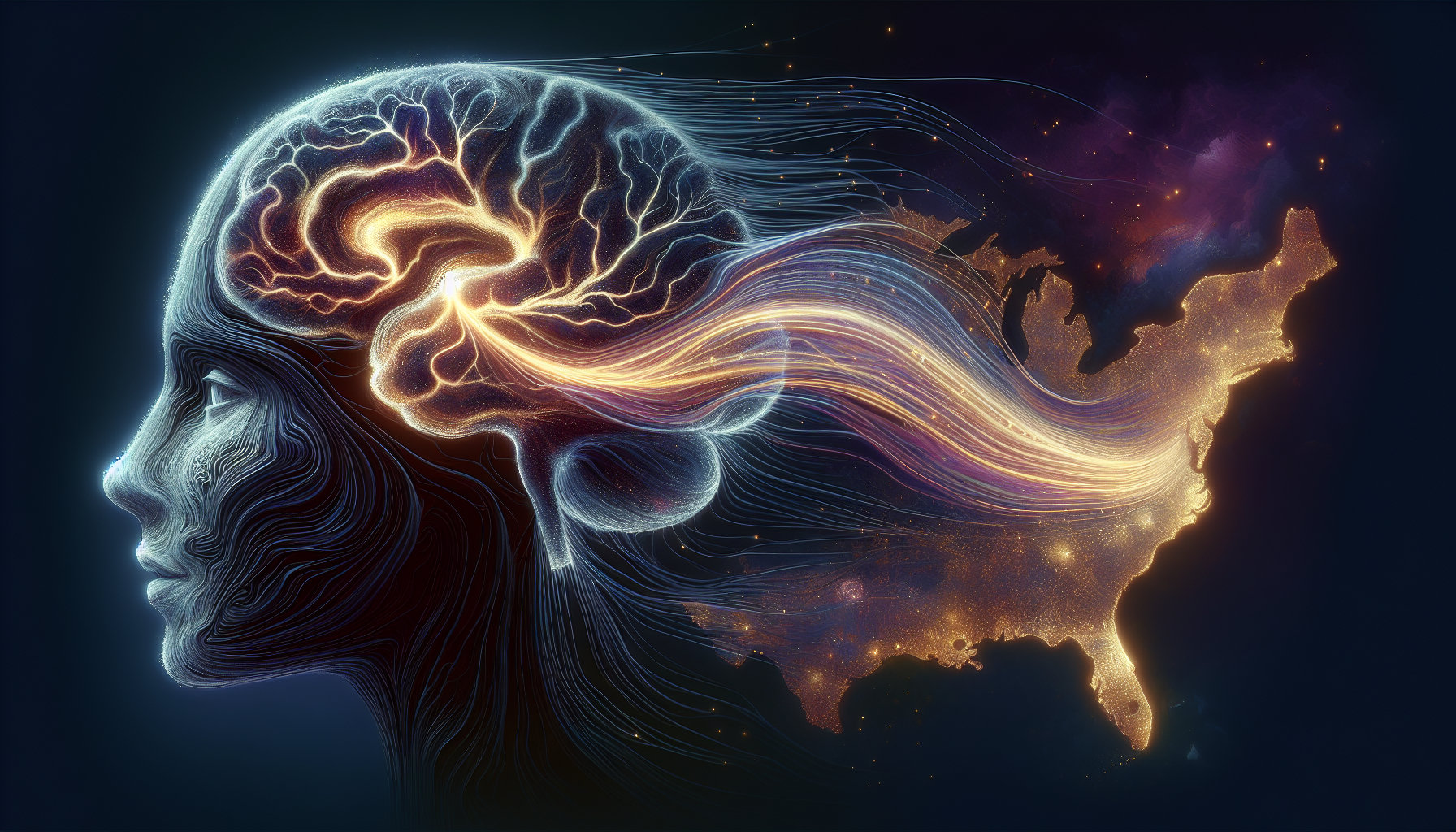
The future of American science depends on making this country the most attractive place for the world's talent once again.
Whether the next breakthrough comes from a new Gemini model or a paradigm we haven't even named yet, it needs to be nurtured here.
Have you seen top talent leave your industry for opportunities abroad? What do you think is the biggest hurdle to keeping innovation in America? Let's discuss in the comments.
---
Story Sources
From the Author



Hey friends, thanks heaps for reading this one! 🙏
If it resonated, sparked an idea, or just made you nod along — I'd be genuinely stoked if you'd show some love. A clap on Medium or a like on Substack helps these pieces reach more people (and keeps this little writing habit going).
→ Pythonpom on Medium ← follow, clap, or just browse more!
→ Pominaus on Substack ← like, restack, or subscribe!
Zero pressure, but if you're in a generous mood and fancy buying me a virtual coffee to fuel the next late-night draft ☕, you can do that here: Buy Me a Coffee — your support (big or tiny) means the world.
Appreciate you taking the time. Let's keep chatting about tech, life hacks, and whatever comes next! ❤️