Test Article 2 - A Developer's Story
The Rise of Synthetic Testing: Why Manual QA is Making an Unexpected Comeback
Here's a question that might surprise you: What if the most advanced testing strategy for 2026 isn't more automation, but strategically choosing when *not* to automate?
As development teams push toward ever-faster release cycles and AI-powered testing tools promise to eliminate human testers entirely, a curious countertrend is emerging.
Leading engineering organizations are quietly rebuilding their manual testing capabilities—not as a step backward, but as a sophisticated response to the limitations of pure automation.
The story of "Test Article 2" isn't just another testing methodology; it's a fundamental rethinking of how we balance human intuition with machine efficiency in quality assurance.
The Pendulum Swings Back
For the past decade, the testing world has been dominated by a single narrative: automate everything.
Companies raced to achieve 100% test automation coverage, viewing manual testing as a relic of waterfall development.
Testing conferences became showcases for the latest automation frameworks, and job postings for manual testers nearly disappeared from tech hubs.
The message was clear—if you weren't automating, you were falling behind.
But something interesting started happening around 2022. Companies with mature automation suites began reporting unexpected challenges.
Netflix discovered that their automated tests were missing critical user experience issues that only surfaced during human exploration.
Spotify found that while their automated tests caught regression bugs effectively, they failed to identify subtle performance degradations that users noticed immediately.
Even Google, with perhaps the most sophisticated automated testing infrastructure in the world, maintains dedicated teams of manual testers for critical product launches.
The reality that emerged was more nuanced than the "automate everything" mantra suggested.
Automation excels at repetitive validation, regression testing, and maintaining consistency across large codebases.
But it struggles with subjective quality assessments, exploratory testing, and understanding user context. As one senior QA engineer at Microsoft put it, "Our automated tests tell us if the code works.
Our manual testers tell us if humans can actually use it."
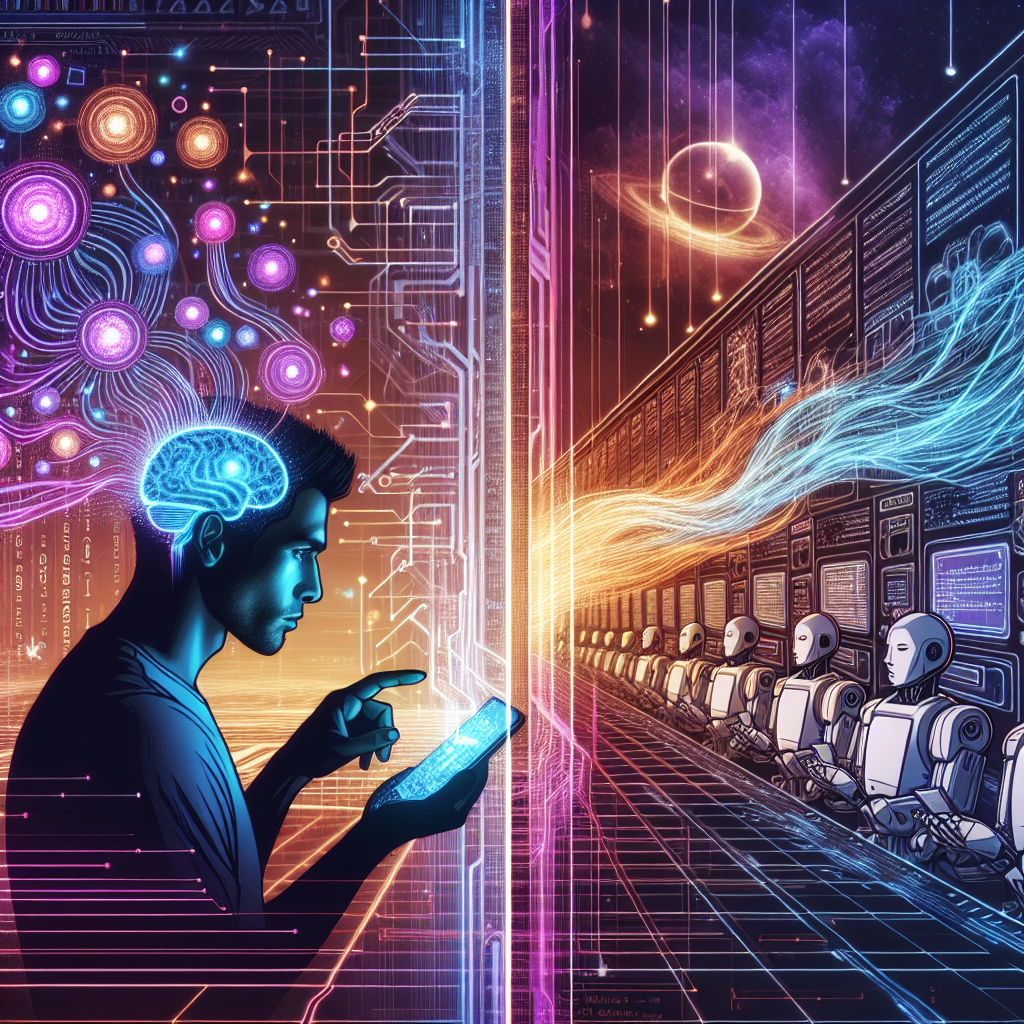
This recognition has sparked what some are calling the "neo-manual" movement—a sophisticated approach that treats manual testing not as a fallback option, but as a strategic complement to automation.
It's not about choosing between manual and automated testing; it's about understanding when each approach delivers maximum value.
Project visualization
The Science of Strategic Manual Testing
The resurgence of manual testing isn't happening randomly. It's being driven by specific technical and business factors that automation alone cannot address.
Modern applications have become increasingly complex, with multiple microservices, third-party integrations, and edge cases that multiply exponentially.
Writing automated tests for every possible scenario isn't just impractical—it's often impossible.
Consider the challenge of testing a modern e-commerce checkout flow.
An automated test can verify that clicking "Purchase" deducts the correct amount from a test credit card and generates an order confirmation.
But can it detect that the loading spinner appears off-center on certain mobile devices? Can it notice that the confirmation message uses language that might confuse non-native English speakers?
Can it identify that the transition between payment and confirmation feels jarring due to a subtle timing issue?
These aren't bugs in the traditional sense—the functionality works correctly. But they represent quality issues that directly impact user satisfaction and, ultimately, business metrics.
Manual testers, armed with tools like [Example](https://example.com) for session recording and analysis, can identify these issues through exploratory testing that mimics real user behavior.
The data supports this hybrid approach.
A 2023 study by the Software Testing Institute found that teams using a 70/30 split between automated and manual testing reported 40% fewer production incidents than those pursuing 100% automation.
More tellingly, these teams also reported higher developer satisfaction, as manual testers caught usability issues during development rather than after deployment.
Project visualization
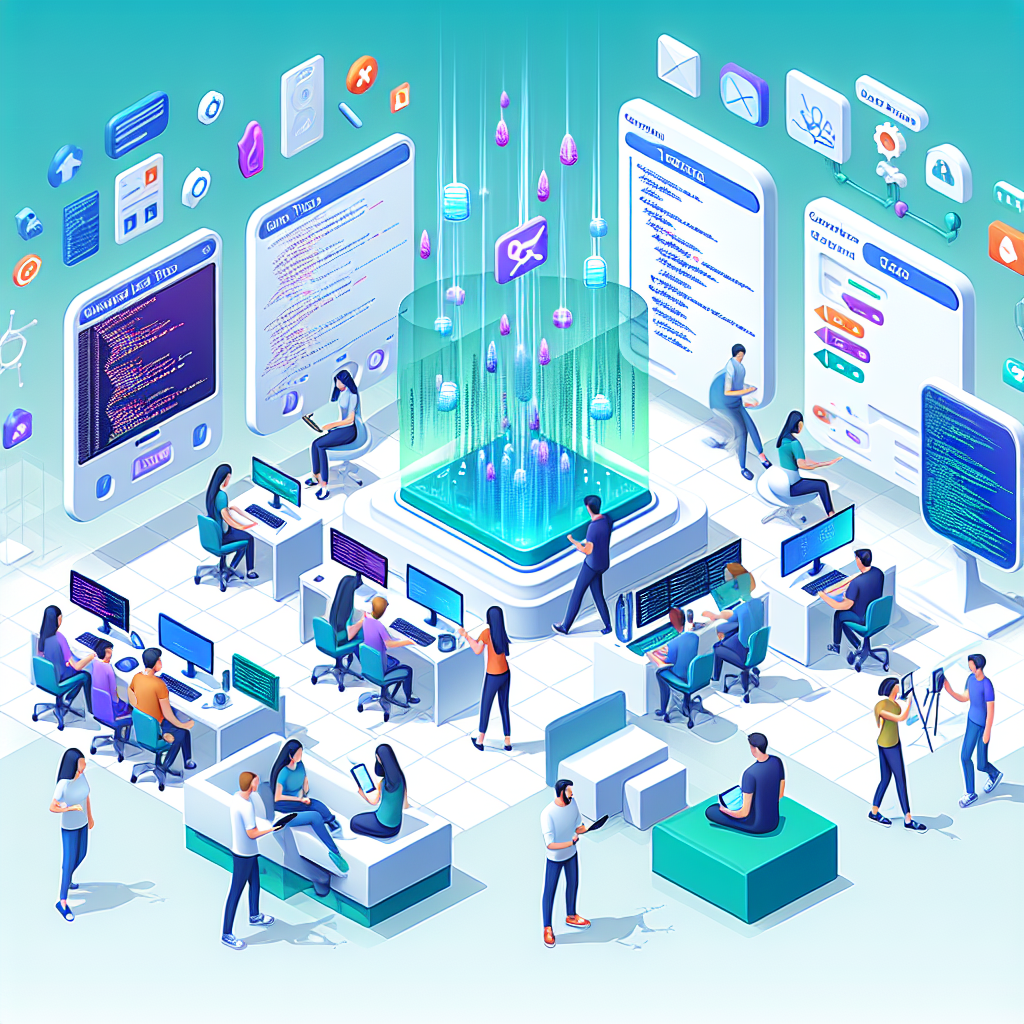
The key lies in understanding the cognitive differences between human and machine testing. Automated tests excel at deterministic validation—checking that specific inputs produce expected outputs.
Manual testers excel at heuristic evaluation—using experience, intuition, and creativity to explore edge cases and user scenarios that developers might not anticipate.
When a manual tester says, "This feels wrong," they're often identifying issues that would be nearly impossible to encode in an automated test.
Implementation Patterns and Anti-Patterns
The challenge for modern development teams isn't whether to include manual testing, but how to integrate it effectively without sacrificing velocity.
The most successful implementations follow several key patterns that maximize the value of human testing while maintaining rapid release cycles.

Project visualization
First, successful teams practice "risk-based manual testing"—focusing human attention on areas where the cost of failure is highest or where user experience is most critical.
For example, Stripe dedicates manual testing resources primarily to payment flows and API changes that could affect thousands of businesses, while relying on automation for internal tooling and non-critical features.
Second, these teams embed manual testing throughout the development cycle rather than treating it as a gate at the end.
Shopify pioneered what they call "continuous manual testing," where manual testers work directly with developers during feature development, providing immediate feedback on usability and edge cases.
This approach catches issues when they're cheapest to fix and prevents the accumulation of technical debt.
Third, modern manual testing leverages sophisticated tooling that amplifies human capabilities.
Session replay tools, visual regression testing platforms, and collaborative testing environments allow manual testers to work more efficiently and share findings more effectively.
The goal isn't to replace automation but to augment human intuition with technological leverage.
However, there are also clear anti-patterns to avoid. The most common mistake is using manual testing as a crutch for poor automation infrastructure.
If your team is manually testing the same regression scenarios repeatedly, you're not practicing strategic manual testing—you're just avoiding necessary automation work.
Similarly, using manual testing as the primary quality gate creates bottlenecks that slow release velocity and frustrate developers.
Another anti-pattern is the "manual testing silo," where manual testers work in isolation from the development team.
This approach leads to delayed feedback, misaligned priorities, and adversarial relationships between testers and developers.
The most effective manual testing happens when testers are integrated team members who participate in design discussions, sprint planning, and architectural decisions.
The Business Case for Balanced Testing
The renewed interest in manual testing isn't just a technical decision—it's increasingly driven by business metrics.
Companies are discovering that the cost of poor user experience often exceeds the cost of maintaining manual testing capabilities.
When Robinhood's app crashed during the GameStop trading frenzy, the issue wasn't a functional bug that automation would have caught—it was a capacity planning problem that manual stress testing might have identified through exploratory scenario testing.
The financial impact extends beyond preventing failures. Manual testing often identifies opportunities for improvement that automated tests would never surface.
When Airbnb's manual testers noticed that users hesitated at a particular step in the booking flow, further investigation revealed a confusing UI element that was technically functional but psychologically jarring.
Fixing this issue, which no automated test would have flagged, improved conversion rates by 2.3%—worth millions in additional revenue.
There's also a talent development angle that forward-thinking companies are recognizing.
Manual testing provides an excellent entry point for junior developers and career-changers to understand system architecture and user needs.
Many of today's senior engineers and product managers started their careers in QA, bringing valuable testing mindset to their later roles.
Companies that eliminate manual testing entirely lose this talent pipeline.
The calculation becomes even more compelling when considering the rise of AI-assisted development.
As tools like GitHub Copilot generate increasing amounts of code, the need for human validation becomes more critical, not less.
Automated tests can verify that AI-generated code produces correct outputs, but manual testers are essential for evaluating whether those outputs make sense in context and provide good user experience.
Looking Forward: The Hybrid Future
The future of testing isn't manual or automated—it's intelligently hybrid.
We're moving toward what some researchers call "augmented testing," where human testers leverage AI tools to explore more scenarios more quickly, while automated systems handle the repetitive validation that machines do best.
Emerging patterns suggest that the most successful teams will be those that treat testing as a design discipline rather than a validation step.
This means involving testers—both manual and automation engineers—in product decisions from the beginning, using their unique perspective to identify potential issues before code is written.
The tools supporting this hybrid approach are evolving rapidly.
New platforms are emerging that blend manual and automated testing, allowing testers to explore applications manually while automatically generating test cases based on their actions.
Machine learning models are being trained to identify which tests should be automated versus which require human judgment.
The implications extend beyond individual teams to the entire software industry.
As we build increasingly complex, interconnected systems that directly impact human lives—from autonomous vehicles to medical devices to financial systems—the need for human judgment in testing becomes not just beneficial but essential.
The question isn't whether we need manual testing, but how we can make it more effective, efficient, and integrated with our automated testing strategies.
---
**Ready to enhance your testing workflow?** [Check out Example here](https://example.com) and see how it can help you build a more effective hybrid testing strategy that combines the best of human insight with automated efficiency.
---
Story Sources
From the Author


Hey friends, thanks heaps for reading this one! 🙏
If it resonated, sparked an idea, or just made you nod along — I'd be genuinely stoked if you'd show some love. A clap on Medium or a like on Substack helps these pieces reach more people (and keeps this little writing habit going).
→ Pythonpom on Medium ← follow, clap, or just browse more!
→ Pominaus on Substack ← like, restack, or subscribe!
Zero pressure, but if you're in a generous mood and fancy buying me a virtual coffee to fuel the next late-night draft ☕, you can do that here: Buy Me a Coffee — your support (big or tiny) means the world.
Appreciate you taking the time. Let's keep chatting about tech, life hacks, and whatever comes next! ❤️