Stop Scrolling! The James Charles Billboard Controversy
In the ever-evolving landscape of digital fame, few figures command attention quite like James Charles.
The beauty mogul, YouTuber, and entrepreneur has built an empire on social media, but with great influence often comes intense scrutiny.
The latest chapter in his public journey involves a series of eye-catching billboards for his new beauty brand, "Painted," which have ignited a fresh wave of debate and controversy across the internet.
The Billboard Blitz and the Backlash
Recently, vibrant billboards featuring James Charles promoting his new cosmetic venture began appearing in major cities.
The campaign was undoubtedly designed to make a splash, leveraging Charles's recognizable face and a bold aesthetic.
However, instead of universally positive buzz, the campaign quickly became a lightning rod for criticism, sparking heated discussions on platforms like Reddit's r/OutOfTheLoop and beyond.
The core of the controversy isn't just about the billboards themselves, but the figure at their center.
James Charles has a well-documented history of past controversies, including allegations of sexual misconduct, grooming accusations, and various feuds with fellow influencers.
While he has addressed many of these issues and attempted to move forward, the public's memory, especially online, is long and unforgiving.
Why Now? The Echoes of "Cancel Culture"
For many, seeing James Charles's image prominently displayed on physical billboards felt like a jarring reminder of his past, prompting questions about accountability, redemption, and the ethics of celebrity endorsement.
Critics argue that promoting a brand with someone who has faced such serious allegations sends a problematic message, especially to younger, impressionable audiences.
The sentiment echoes familiar themes of "cancel culture," where past missteps resurface to challenge current public acceptance.
Supporters, on the other hand, might contend that Charles has paid his dues, learned from his mistakes, and deserves a chance to rebuild his career.
They might point to the success of his new brand as evidence of continued consumer interest and a desire to separate the artist from past personal conduct.
This divergence in public opinion highlights the complex, often contradictory nature of modern celebrity culture.
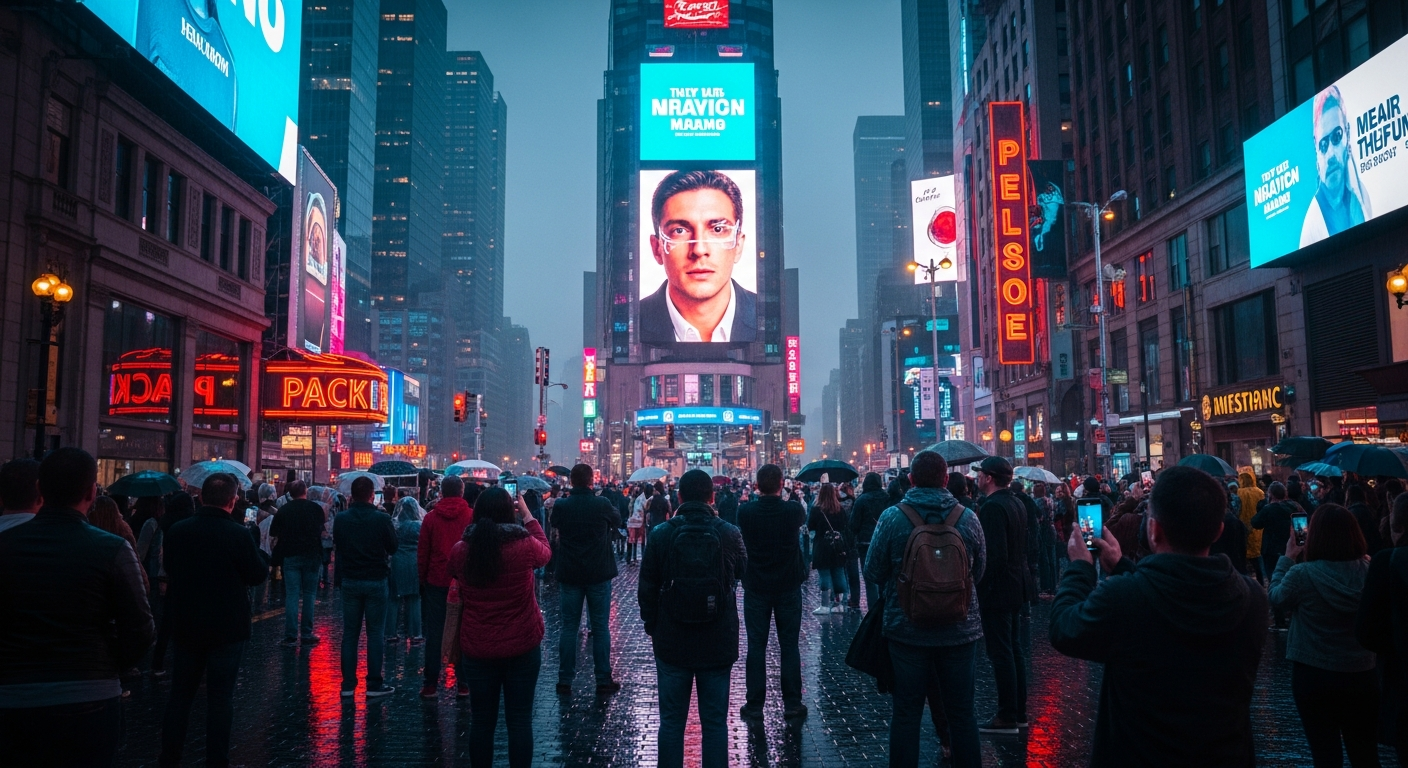
The digital echo chamber amplifies reactions to real-world campaigns.
Implications for Influencer Marketing and Brands
The James Charles billboard saga serves as a potent case study for brands navigating the treacherous waters of influencer marketing. It underscores several critical lessons:
- Public Memory is Permanent: In the digital age, past controversies rarely fade entirely. Brands must conduct thorough due diligence and consider the long-term public perception of their chosen ambassadors.
- Brand Alignment: The influencer's personal brand must align not just with the product, but with the values of the target audience. A disconnect can lead to significant backlash.
- The Power of the Audience: Social media users are not passive consumers; they are active participants who can swiftly mobilize to support or condemn. Their collective voice can make or break a campaign.
- Redemption vs. Accountability: The line between offering a second chance and enabling perceived unchecked behavior remains a deeply personal and public debate, with no easy answers.
Ultimately, the "Stop Scrolling!
James" billboard controversy isn't just about a beauty guru; it's a microcosm of larger discussions around ethics in marketing, the complexities of celebrity, and the enduring power of public opinion in shaping narratives.
As brands continue to invest heavily in influencer partnerships, understanding these dynamics becomes not just a strategic advantage, but a necessity for survival in the unforgiving digital spotlight.
Story Sources
From the Author



Hey friends, thanks heaps for reading this one! 🙏
If it resonated, sparked an idea, or just made you nod along — I'd be genuinely stoked if you'd show some love. A clap on Medium or a like on Substack helps these pieces reach more people (and keeps this little writing habit going).
→ Pythonpom on Medium ← follow, clap, or just browse more!
→ Pominaus on Substack ← like, restack, or subscribe!
Zero pressure, but if you're in a generous mood and fancy buying me a virtual coffee to fuel the next late-night draft ☕, you can do that here: Buy Me a Coffee — your support (big or tiny) means the world.
Appreciate you taking the time. Let's keep chatting about tech, life hacks, and whatever comes next! ❤️