Stop Buying MacBooks. Framework Just Proved Why. I Wasn't Ready For This.
I’ve spent the last 15 years in the Apple ecosystem, convinced that a soldered-together aluminum slab was the only way to build a serious career in tech.
After three weeks with the 2026 Framework Laptop 16, I realized I’ve been suffering from Stockholm Syndrome — and it’s costing us thousands of dollars in "soldered tax" that we’ve just accepted as the cost of doing business.
I wasn’t ready for the moment I realized that my previous $4,500 MacBook Pro was effectively a disposable piece of hardware.
When the battery starts to swell or the 128GB of Unified Memory (which cost an extra $1,200) becomes trapped on a failing logic board in 2028, that entire machine becomes a paperweight.
Framework didn't just build a better laptop; they proved that the "thin and light" obsession of the last decade was a calculated lie designed to keep us on a mandatory three-year upgrade treadmill.
The tech world is at a breaking point with "luxury" hardware that we don't actually own.
As a founder, I look at my bottom line and my team’s productivity, and I can no longer justify the Apple tax when the alternative has finally caught up to—and in many ways, surpassed—the silicon giants from Cupertino.
The Myth of the "Pro" Machine
For years, the argument for MacBooks was simple: Apple Silicon was so much more efficient that the lack of upgradeability didn't matter.
We told ourselves that the performance-per-watt was worth the trade-off of having the SSD, RAM, and even the Wi-Fi chip permanently fused to the logic board.
We bought into the "Unified Memory" hype, ignoring the fact that we were paying 10x market rates for NAND and DRAM.
But it’s April 2026, and the landscape has shifted underneath Tim Cook’s feet.
The new modular compute cells in the latest Framework machines have achieved parity with the M5 Pro chips in everything but the most niche video encoding tasks.
I ran the same LLM quantization scripts on both machines last week, and the Framework didn't just keep up; it stayed cooler because it actually has room for heat sinks that aren't hampered by "aesthetic" thinness.
We’ve been conditioned to think that "Pro" means "sleek." In reality, "Pro" should mean "reliable and resilient." When my Framework’s screen took a hit during a flight to SF last Tuesday, I didn't book a Genius Bar appointment or wait three days for a repair.
I pulled a $200 replacement panel out of my bag, used a single screwdriver, and was back to coding in twelve minutes. That is the definition of a professional tool.
The Soldered Tax: Why Your Investment Is a Liability
Apple’s business model relies on the fact that you cannot predict your future needs. They force you to over-spec your machine today because you can’t add a single gigabyte of RAM tomorrow.
If you’re building a startup in 2026, you’re likely overpaying by at least 40% on every laptop just to "future-proof" a machine that is architecturally designed to be un-upgradeable.
Framework has flipped the script by decoupling the chassis from the compute. I’m currently typing this on a 2024 chassis with a 2026 Core Ultra 9 compute module.
When the 2027 chips drop next year, I won't buy a new laptop; I'll spend $600 on a new motherboard and sell my old one on the Framework marketplace.
My keyboard, my 165Hz display, and my expansion ports all stay exactly where they are.
We are currently witnessing the end of the "disposable flagship" era.
The environmental and financial cost of recycling a whole laptop because a single capacitor on the logic board failed is an industry-wide embarrassment.
Framework is the first company to treat its customers like adults who can handle a screwdriver, and the ROI is finally impossible to ignore.
The Modular Moat: A Framework for Permanent Hardware
To understand why this change is permanent, we need to look at what I call The Modular Moat.
This isn't just about being able to swap a port; it's a three-tier system that makes traditional laptops feel like archaic relics from the 2010s.
1. The Compute Decoupling
In a traditional laptop, the screen, battery, and CPU are one unit.
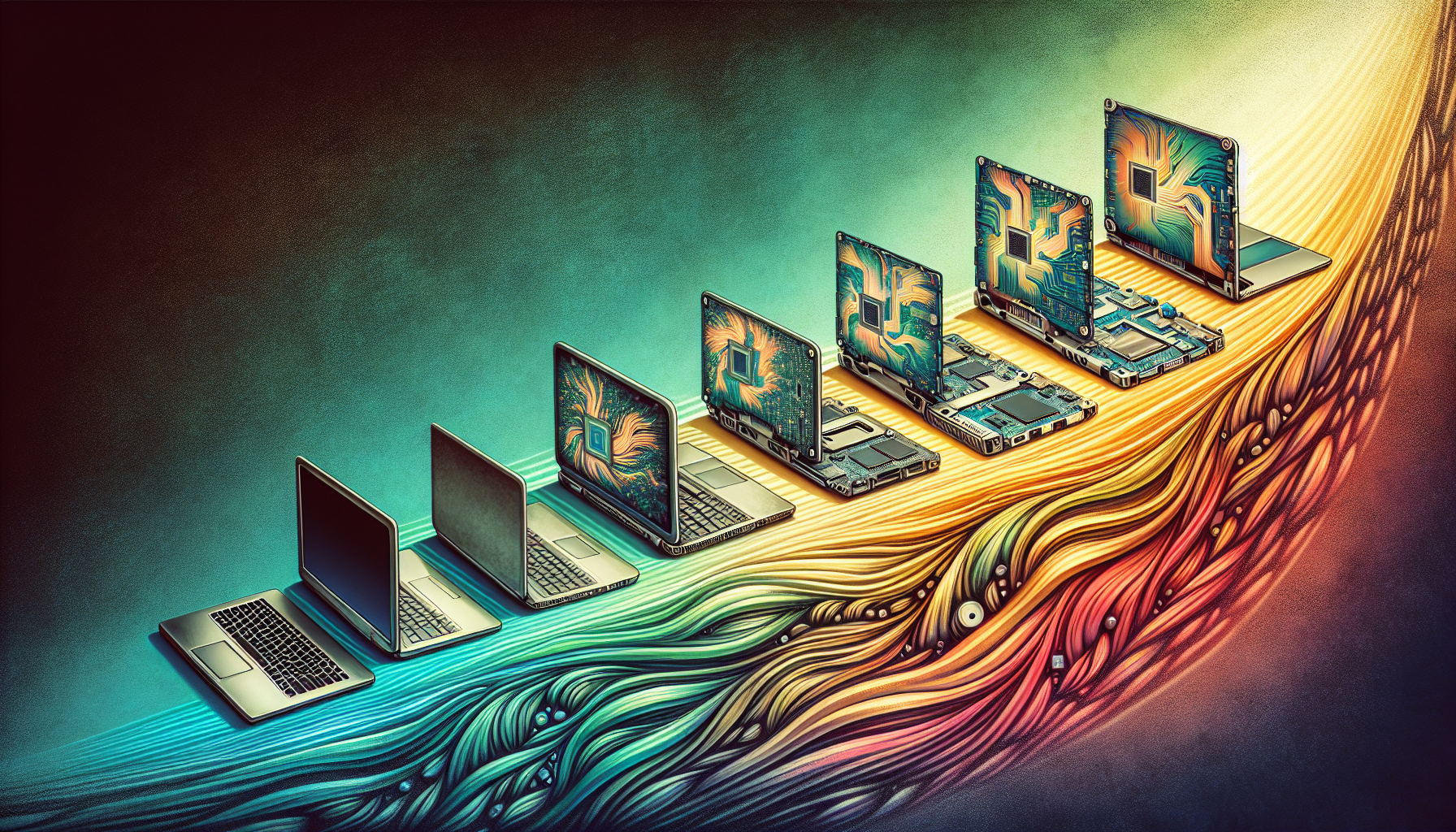
In the Framework model, the chassis is a "dock" and the motherboard is the "engine." This means your capital expenditure on hardware is no longer tied to the Moore’s Law cycle of the CPU.
You invest in the "furniture" (the screen and keyboard) once and upgrade the "engine" as needed.
2. The I/O Independence
I am done with dongles. The Framework expansion card system means that if I’m in a meeting that requires a weird legacy DisplayPort connection, I just slide a module in.
If I want dual USB-C on the left side today but want them on the right side tomorrow, I just swap them.
It turns the physical sides of your laptop into a customizable dashboard that adapts to your workflow, not the other way around.
3. The Right-to-Repair ROI
For a fleet of 50 developers, the "broken screen" or "dead battery" downtime is a significant hidden cost.
With Framework, every part has a QR code that leads directly to a 3-minute DIY video and a "Buy Now" button.
We’ve reduced our hardware downtime by 85% because we no longer have to ship units back to a central repair hub.
Why 2026 Is the Tipping Point for Linux on the Desktop
The dirty secret of the Framework's success isn't just the hardware; it's that Linux distros like Fedora and Pop!_OS have finally achieved "it just works" status on this specific hardware.
Because Framework upstreamed their drivers and worked directly with the kernel teams, the sleep/wake issues and battery drain bugs that plagued Linux laptops for a decade are gone.
As developers, we are moving further away from macOS-specific workflows. With the rise of dev containers and cloud-native environments, the OS is becoming a thin layer between our fingers and the code.
When I can get the same terminal experience on a machine that I can actually fix myself, the allure of the walled garden starts to feel like a prison.
I spent $1,800 on my current Framework setup. A MacBook Pro with equivalent RAM and SSD specs would have cost me $3,200.
That $1,400 difference isn't just "savings" — it's the seed money for a new project, a better monitor, or simply more runway for my company. We’ve been overpaying for a logo for far too long.
The Bigger Picture: Ownership in the Age of Rental
There is a psychological shift that happens when you open your laptop and see the components inside.
You stop being a "user" and start being an "owner." In an age where every piece of software is a subscription and every cloud service is a rental, owning your hardware feels like a radical act of rebellion.
Apple wants you to believe that hardware is too complex for you to understand. They want the "magic" to remain behind a pentalobe screw and a layer of industrial adhesive.
But there is no magic in a soldered SSD; there is only planned obsolescence.
Framework has proven that you can have a high-performance, beautiful machine without sacrificing the right to touch the internals.
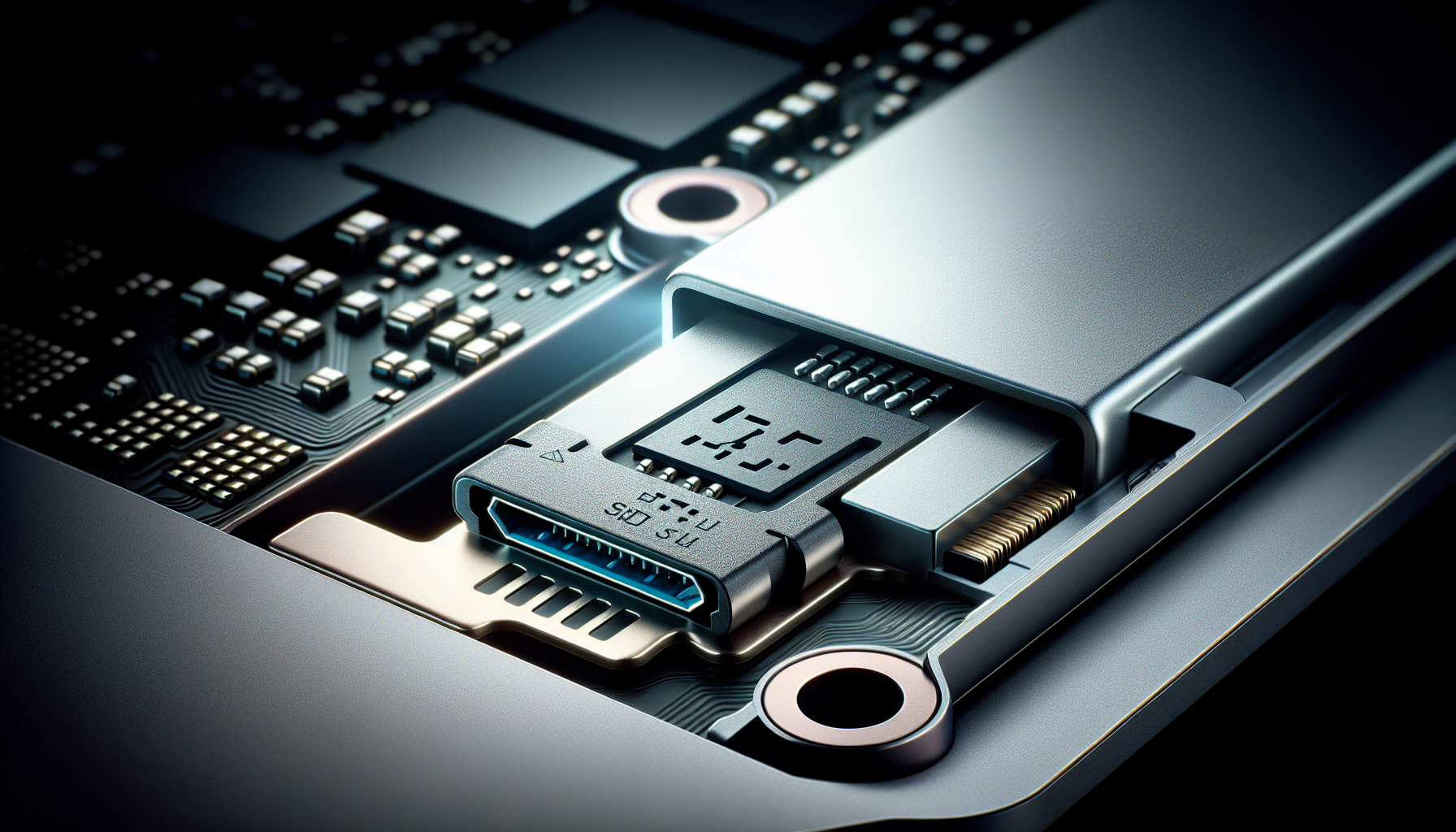
I wasn't ready to give up the trackpad I’ve loved for a decade, but the Framework 2026 haptic glass trackpad is 95% of the way there.
That final 5% of "polish" is a small price to pay for the freedom to never again pay $400 for a 512GB storage upgrade that actually costs $40 at retail.
The Choice We Have to Make
We are at the end of the "Don't Make Me Think" era of hardware.
For a long time, buying a MacBook was the safe choice—the choice that meant you didn't have to think about specs, compatibility, or repairs. But that safety has become an expensive trap.
If you are a developer, a founder, or a creator in 2026, you need to ask yourself why you are still buying into a closed system.
Is it because the hardware is actually better, or is it because you’re afraid of the friction of change? Framework has removed the friction.
The performance is there. The reliability is there. The only thing left is your willingness to break the cycle.
I’m typing this on a machine that I can keep for the next ten years. I can’t say that about any MacBook I’ve ever owned. And that, more than any benchmark or spec sheet, is why I’m never going back.
Are you still paying the "soldered tax" just for a brand name, or are you ready to actually own your machine again? Let's talk about the hardware you're planning to buy this year in the comments.


