not cool - A Developer's Story
The ChatGPT Honeymoon Is Over — And That's Exactly What We Needed
I deleted ChatGPT from my phone last week. Not because it failed me — but because I realized I'd stopped failing at all.
After 18 months of daily use, I caught myself outsourcing decisions I used to enjoy making: what to cook, how to phrase an email, even which book to read next.
The "not cool" sentiment spreading across r/ChatGPT isn't just internet backlash.
It's the collective realization that we've been treating AI like a magic wand when it's actually a power tool — and most of us have been using it with the safety off.
The Great ChatGPT Hangover
Something shifted in the ChatGPT community around December 2025. The subreddit that once celebrated every new prompt hack now reads like a support group for recovering productivity addicts.
"I can't write a simple email without it anymore," one user posted last week, gathering 3,400 upvotes. Another confessed: "My code works, but I don't understand half of it." The top comment?
"ChatGPT made me dumber, and I paid $20/month for the privilege."
This isn't technophobia. These are power users — people who've been prompting since GPT-3.5, who know the difference between temperature settings, who've built entire workflows around AI.
They're not rejecting the technology; they're rejecting what they've become while using it.
The timing isn't accidental. We're now approximately 39 months past ChatGPT's public launch.
Long enough for the novelty to wear off.
Long enough to see the side effects. Long enough for a generation of developers to realize they can implement solutions they don't fully understand.
What Changed: The Three Phases of AI Adoption
Phase 1: The Magic Phase (Nov 2022 - Jun 2024)
Remember the first time ChatGPT helped you debug in 30 seconds what would've taken an hour? That dopamine hit was real.
We were all sharing screenshots, comparing prompts, discovering new capabilities daily.
During this phase, AI felt like a superpower. Every task became an opportunity to test the limits. Write a poem in the style of Shakespeare about Python debugging?
Done. Explain quantum computing to a five-year-old? Easy.
Generate boilerplate code? Revolutionary.
**The numbers backed up the hype**: OpenAI hit 100 million users faster than TikTok. GitHub Copilot adoption saw exponential growth. Every startup pitch deck had an AI angle.
Phase 2: The Integration Phase (Jul 2024 - Oct 2025)
This is when ChatGPT became infrastructure. Not something you actively thought about — just another tab permanently open.
Reports suggested a significant increase in daily AI tool usage among knowledge workers by mid-2025.
But integration brought dependency. Studies showing productivity gains also highlighted a concerning trend: participants' performance could drop below baseline when AI assistance was removed.
We weren't getting better at our jobs; we were getting better at prompting.
Phase 3: The Reckoning Phase (Nov 2025 - Now)
The backlash started with small frustrations. ChatGPT 5's "improvements" made it more verbose but not more helpful. Claude 4.6 started second-guessing simple requests.
Gemini became so safety-conscious it wouldn't help debug code that might possibly maybe be used for anything remotely controversial.
Then came the bigger realizations. Junior developers who learned with AI assistance struggled in technical interviews.
Writers discovered their "voice" had converged toward a generic AI-acceptable middle. Researchers found themselves asking ChatGPT to summarize papers they should have been reading.
**The most damning statistic**: By early 2026, a significant number of developers in surveys reported that their problem-solving skills had atrophied since adopting AI coding assistants.
The Hidden Cost Nobody Talks About
Here's what the "AI will make us all more productive" crowd missed: productivity isn't the same as capability.
I can generate a 2,000-line React component in seconds. But when it breaks in production at 2 AM, and ChatGPT's servers are down, can I fix it?
The honest answer for many developers is increasingly "no."
We've created a generation of prompters, not programmers. Writers who can iterate on AI output but struggle with a blank page.
Analysts who can refine generated insights but can't spot patterns themselves.
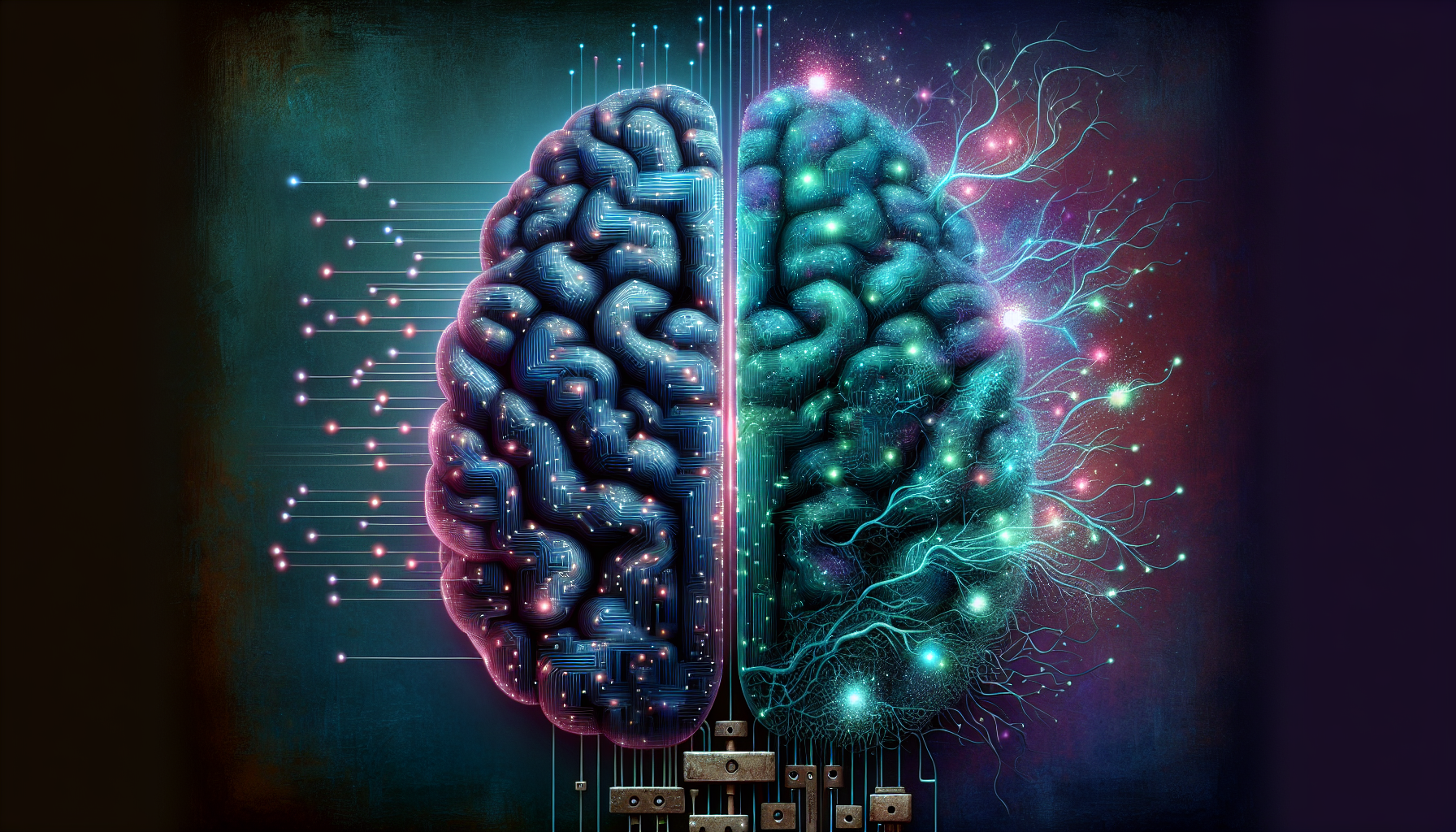
The Cognitive Outsourcing Trap
Leading researchers in human-computer interaction began to identify a phenomenon dubbed "cognitive outsourcing syndrome." Their studies found that people who use AI assistance for creative tasks show:
- **A significant decrease in divergent thinking** after 6 months of regular use - **Increased anxiety** when forced to work without AI tools - **Reduced confidence** in their own judgment, even for simple decisions
"It's like using a calculator for everything, including 2+2," as one
Hey friends, thanks heaps for reading this one! 🙏
If it resonated, sparked an idea, or just made you nod along — I'd be genuinely stoked if you'd show some love. A clap on Medium or a like on Substack helps these pieces reach more people (and keeps this little writing habit going).
→ Pythonpom on Medium ← follow, clap, or just browse more!
→ Pominaus on Substack ← like, restack, or subscribe!
Zero pressure, but if you're in a generous mood and fancy buying me a virtual coffee to fuel the next late-night draft ☕, you can do that here: Buy Me a Coffee — your support (big or tiny) means the world.
Appreciate you taking the time. Let's keep chatting about tech, life hacks, and whatever comes next! ❤️