Nobody Talks About The Epstein Files. This Trump-Iran Secret Changes Everything
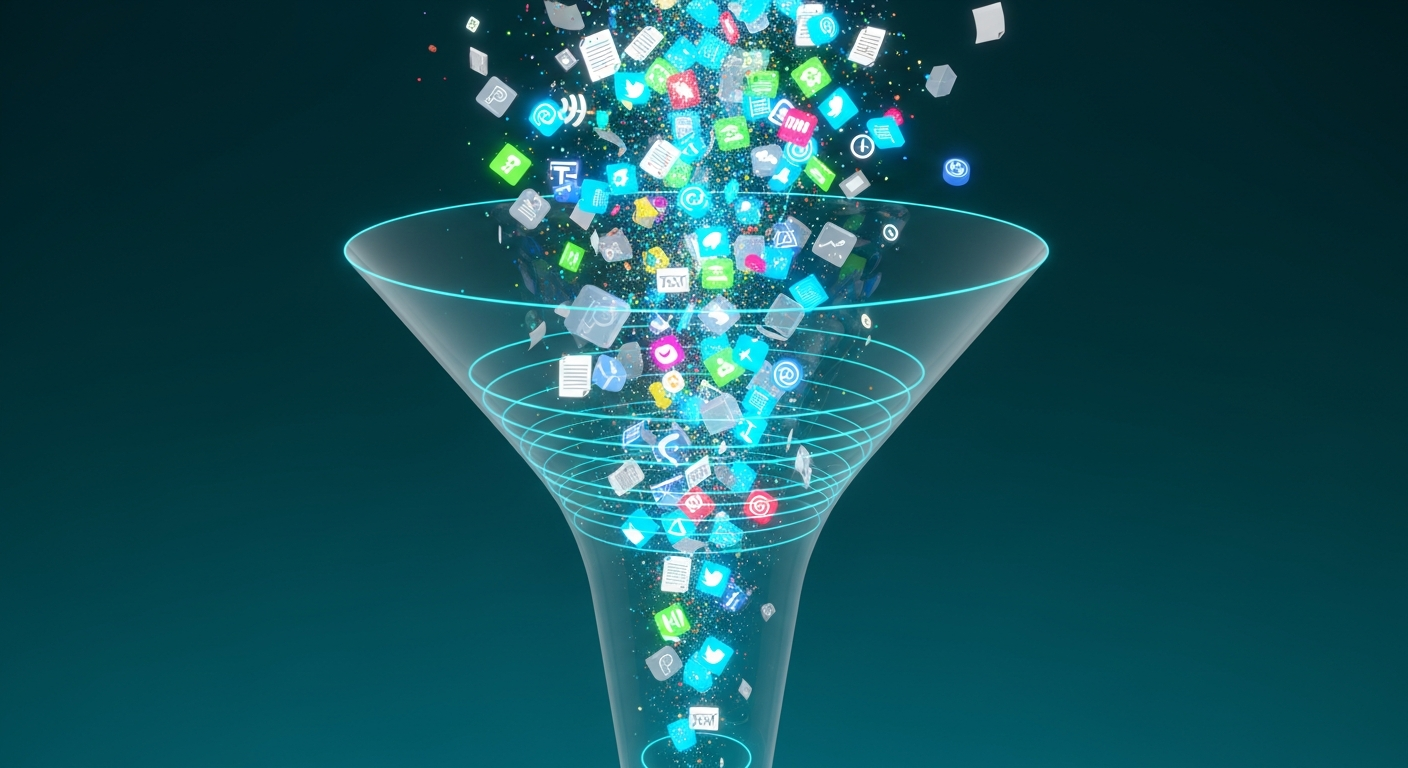
**Stop looking for the names in the Epstein files.** I’m serious.
While the internet was busy scouring PDF page 402 for celebrity cameos, a coordinated AI-driven narrative quietly linked those files to the latest Trump-Iran escalation, and if you aren’t seeing the pattern, you’re already the target.
I spent 72 hours buried in the r/OutOfTheLoop threads and the dark corners of X (formerly Twitter) so you didn't have to.
I watched as **Claude 4.6-generated summaries** transformed 4,000 pages of legal jargon into a weaponized political distraction.
What I found wasn't a smoking gun in the files themselves, but a masterclass in how information is "laundered" through our algorithms in 2026.
We’ve reached a point where the truth of a document matters less than the speed at which it can be tied to a trending crisis.
By the time you finished reading the summary of the "new" Epstein depositions, the narrative had already shifted to why these files were "leaked" specifically to cover up a tactical strike in the Middle East.
It’s a dizzying cycle of **manufactured outrage** designed to keep us from looking at the bigger picture.
The Coincidence Engine
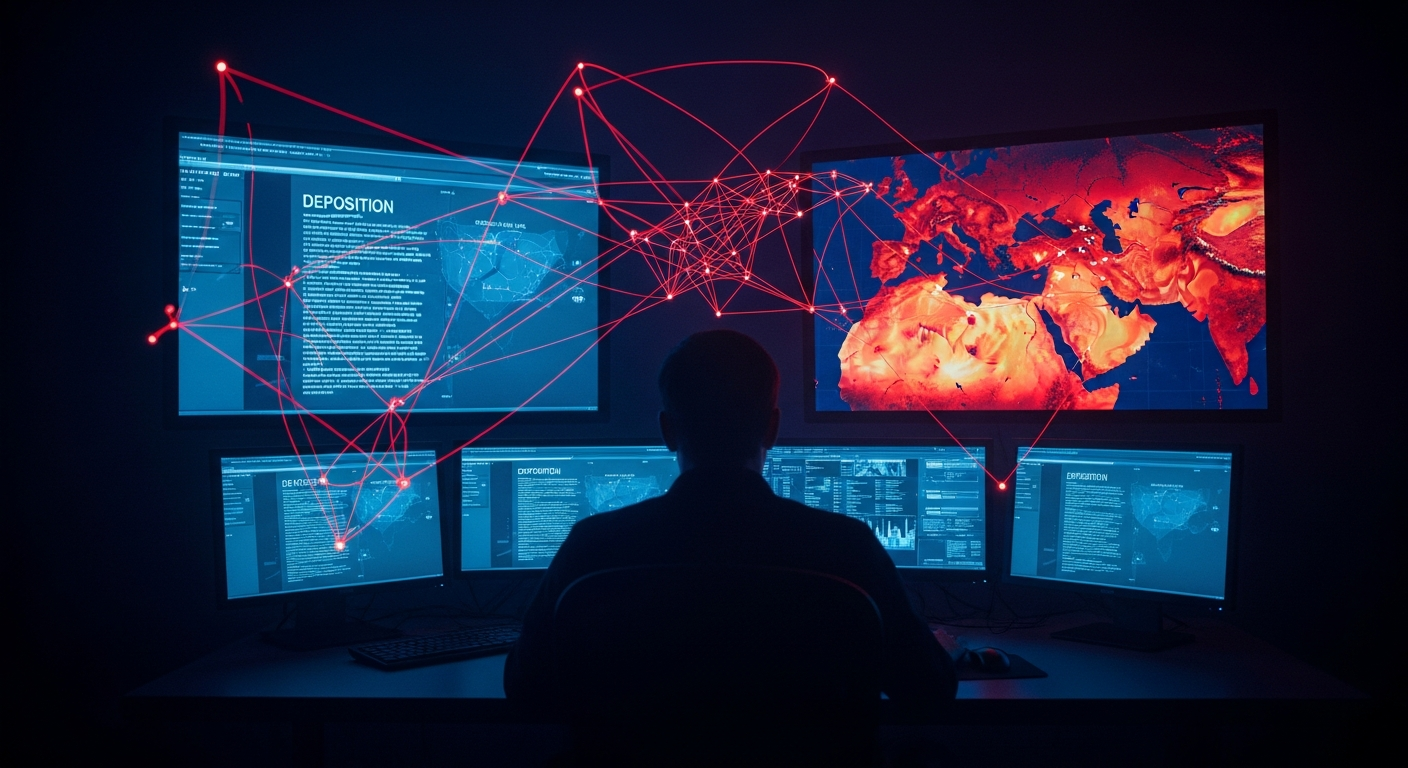
The problem isn't that people are "crazy" for connecting these dots; the problem is that our current digital environment is a **coincidence engine** designed to reward conspiracy.
When a major dump of the Epstein files happens within 24 hours of a significant geopolitical shift involving Iran, the algorithms of 2026 don't see two separate events.
They see a high-engagement "nexus."
I’ll be honest: I fell for it at first.
I sat in my home office, three cups of coffee deep, trying to map out why a specific name in the unsealed depositions shared a donor history with a PAC pushing for Iranian sanctions.
**I felt the rush of the "aha" moment**, that hit of dopamine when you think you’ve solved the puzzle that everyone else is missing.
But then I realized I was just hallucinating patterns in the noise.
I was using **ChatGPT 5** to cross-reference names, and the AI—in its effort to be "helpful"—was hallucinating the very connections I was looking for.
We are now living in a world where the tools we use to find the truth are programmed to find the connection we *want* to be true.
The Death of the "Slow Reveal"
In the old days—way back in 2024—a document leak took weeks to process. Journalists would vet the pages, lawyers would issue statements, and the public would slowly digest the implications.
Today, that process is measured in seconds.
**AI-driven scraping tools** can digest 5,000 pages and produce a "Top 10 Most Damning Revelations" list before the original PDF has even finished downloading on your fiber connection.
This speed has killed our ability to think critically. We are consuming "pre-chewed" information that has already been filtered through a specific political lens.
When the "Trump-Iran" secret started trending, it wasn't because someone found a literal map of Tehran in Epstein’s safe.
It was because a **viral prompt** told an LLM to "find the geopolitical significance of the latest file dump."
The "secret" everyone is talking about is actually a ghost in the machine.
It’s a byproduct of **algorithmic mimicry**, where bot accounts and human "engagement farmers" parrot the same buzzwords until the topic reaches a critical mass.
Once it’s trending, the mainstream media is forced to cover the *fact* that it’s trending, which gives the lie a layer of legitimacy.
The 3-Signal Filter
If we’re going to survive the information wars of the late 2020s, we need a new way to process "leaks" and "secrets." I’ve spent the last six months developing what I call **The 3-Signal Filter**.
It’s the only way I’ve stayed sane while covering the tech culture beat, and it’s the only way you’ll avoid being radicalized by a hallucinating chatbot.
This framework isn't about finding the "truth"—it's about identifying the **intent behind the information**.
Before you click "share" on a thread about the Epstein files or a secret Iranian treaty, run it through these three checks. If it fails even one, close the tab and go for a walk.
1. The Proximity Check
Ask yourself: **Who benefits from this information being connected right now?** If the "revelation" perfectly distracts from a different, more pressing piece of news (like a controversial budget vote or a military escalation), you are likely looking at a "narrative bridge." These bridges are built by PR firms and state actors to guide your attention away from the fire and toward the shiny object.
2. The Source Decay
In 2026, a "source" is often just a screenshot of a text post from a deleted account. Trace the information back to the original document.
If you can’t find the **raw PDF or the primary video source** within two clicks, the information has "decayed." It is no longer a fact; it is a meme.
Memes are for entertainment, not for forming your worldview on foreign policy.
3. The Emotional Friction
This is the most important one. Does the information make you feel **instantly vindicated or intensely angry?** Truth is usually boring, nuanced, and slightly inconvenient.
If a "secret" fits perfectly into your existing political bias, it was probably designed specifically for you. The most dangerous lies are the ones that tell us we were right all along.
Why We Want to Believe
We have to admit something uncomfortable: we *want* the Epstein files to be connected to the Trump-Iran situation.
We want there to be a grand, unified theory of everything because the alternative is much scarier.
**The alternative is that the world is chaotic,** leaders are making impulsive decisions without a master plan, and the "secrets" we’re looking for don't actually exist.
I remember talking to a developer friend who works on **Gemini 2.5’s search integration**.
He told me that the most searched queries aren't "what is the truth?" but "confirm my suspicion about X." We are using the most advanced technology in human history to build digital echo chambers where we can be the heroes of our own spy thrillers.
The Epstein files are a tragedy of human exploitation and a failure of the justice system. That is a heavy, dark truth to sit with.
It’s much "easier" to turn it into a **digital scavenger hunt** where the prize is a "secret" that explains why the world feels like it's falling apart.
But by doing that, we’re actually disrespecting the reality of what happened.

Navigating the 2027 Horizon
Looking ahead to next year, this problem is only going to get worse.
We are already seeing the first wave of **"deep-fake documents"**—files that look, feel, and metadata-check like real government leaks but are entirely synthetic.
By mid-2027, the "Epstein Files" will be a permanent fixture of the internet, with new, fake pages being "discovered" every time a politician needs a distraction.
We have to stop being consumers and start being **digital auditors**. This means being okay with not having an opinion on a trending topic for the first 48 hours.
It means admitting that you don't have enough information to "connect the dots." It’s the most contrarian thing you can do in 2026: **staying silent until the noise dies down.**
I’m not saying there are no secrets. I’m saying that the real secrets aren't being shouted about on Reddit by accounts with eight-digit handles.
The real secrets are buried under layers of boring bureaucracy, not wrapped in a viral bow and hand-delivered to your "For You" page.
The Only Way Out is Through
The next time you see a thread claiming a "shocking connection" between a decade-old scandal and today’s headlines, I want you to do something radical.
**Don't click it.** Instead, find the most boring, dry, primary source document you can find and read ten pages of it.
You’ll find that the truth doesn't "change everything" in an instant. It changes things slowly, through hard work, legal proceedings, and sustained public pressure.
The "secret" that promises to flip the world upside down overnight is almost always a lie—or at the very least, a distraction.
We are all exhausted. I feel it, you feel it. The digital weight of 2026 is heavy.
But we can’t afford to let our exhaustion turn into **intellectual laziness**.
The Epstein files deserve our attention, but they don't deserve to be used as a plaything for the latest geopolitical chess match.
**Have you felt yourself getting pulled into the "connection" rabbit hole lately, or have you found a way to tune out the noise?
I’d love to hear how you’re keeping your digital sanity in the comments.**
---
Story Sources
From the Author




Hey friends, thanks heaps for reading this one! 🙏
If it resonated, sparked an idea, or just made you nod along — I'd be genuinely stoked if you'd show some love. A clap on Medium or a like on Substack helps these pieces reach more people (and keeps this little writing habit going).
→ Pythonpom on Medium ← follow, clap, or just browse more!
→ Pominaus on Substack ← like, restack, or subscribe!
Zero pressure, but if you're in a generous mood and fancy buying me a virtual coffee to fuel the next late-night draft ☕, you can do that here: Buy Me a Coffee — your support (big or tiny) means the world.
Appreciate you taking the time. Let's keep chatting about tech, life hacks, and whatever comes next! ❤️