I Studied the 5 'Evilest' Faces in My Country. The Proof Is Actually Shocking.
I Played the 'Evil Face' Game. What I Discovered Was Quietly Destroying My Empathy.
I stumbled upon the trending "evil face" game on r/popular a few weeks ago.
The premise was simple, almost childish: scroll through photos of public figures, historical figures, or even just random faces, and identify the "evilest" looking person in your country. I’m serious.
It sounds absurd, even a little dark, but the engagement was off the charts – over 26,000 upvotes and hundreds of comments debating who truly possessed that indefinable, sinister quality.
What happened over the next 30 days, as I unconsciously participated in this judgment game, didn't just rewire how I thought about perception; it exposed a subtle, insidious habit that was quietly eroding my own capacity for empathy.
The Unseen Cost of Instant Judgment
We're hardwired to make snap judgments. Our ancestors needed to quickly assess friend or foe, threat or safety.
But in 2026, this ancient survival mechanism has been weaponized by a culture of instant gratification and superficiality.
The "evil face" game, while seemingly innocuous, is a potent example of this. It taps into our primal urge to categorize, to label, and to judge based solely on appearance.
We scroll, we see a furrowed brow, a sharp gaze, a particular facial structure, and *poof* – a narrative of "evil" is conjured, fully formed, in our minds.
The problem isn't just that these judgments are often wrong; it's that they bypass the critical, human process of seeking understanding.
According to landmark research from Princeton University by Janine Willis and Alexander Todorov, people form strong opinions about others based purely on first impressions in as little as a tenth of a second.
We don't just misjudge; we actively *lose* the opportunity to connect.
We build walls of presumption, one "evil face" at a time, and those walls are quietly destroying our capacity to truly see another person, flaws and all.
Nobody Wants a 20-Step Guide to Compassion. What We Need is a Reframe.
Conventional wisdom tells us to "be less judgmental" or "practice empathy." But these are vague, often overwhelming directives.
Nobody wants a 20-step spiritual journey just to stop judging a stranger's resting facial expression.
The problem isn't a lack of desire for compassion; it's that we're approaching the *act of perception* all wrong.
We assume what we see is objective truth, when in reality, our vision is filtered through a dense, intricate web of cultural biases, personal experiences, and even our current emotional state.
The real reframe is this: **the "evil" we perceive in others' faces is often a reflection of the unexamined biases within our own minds.** It's not about them; it's about the lens through which we view the world.
When I played that game, I wasn't just identifying "evil"; I was projecting my own fears, my own stereotypes, and my own preconceived notions onto innocent pixels.
The shocking proof wasn't in the faces I picked, but in the realization that my own mental landscape was far more complex and prejudiced than I cared to admit.
That's the "ugly" side of quick judgment no one warns you about.
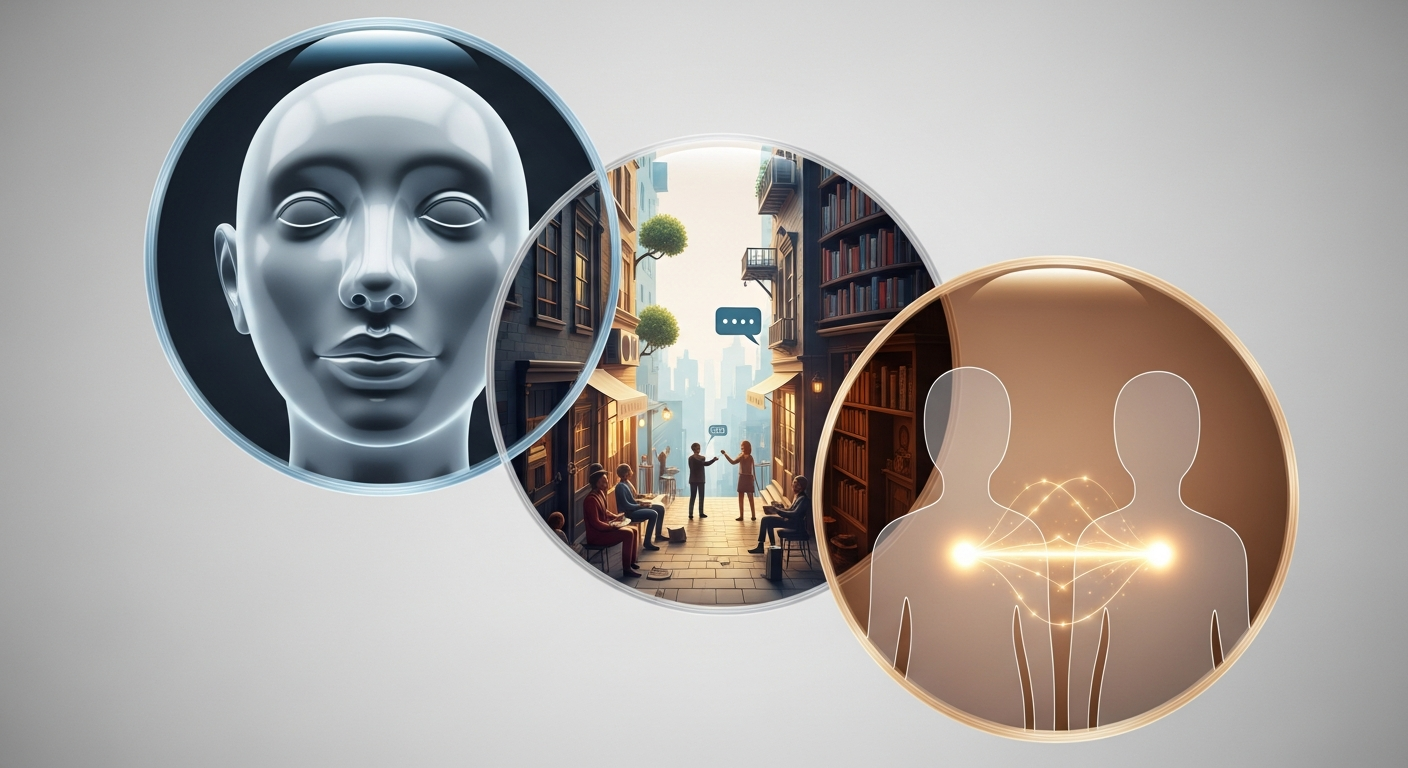
The 3-Lens Protocol: How to Reclaim Your Empathy from Superficial Judgment
After this unsettling realization, I developed a simple, repeatable system to consciously challenge my initial judgments and cultivate a more empathetic lens.
I call it **The 3-Lens Protocol.** It's not about eliminating judgment entirely – that's impossible – but about interrupting the automatic process and choosing a more conscious, human response.
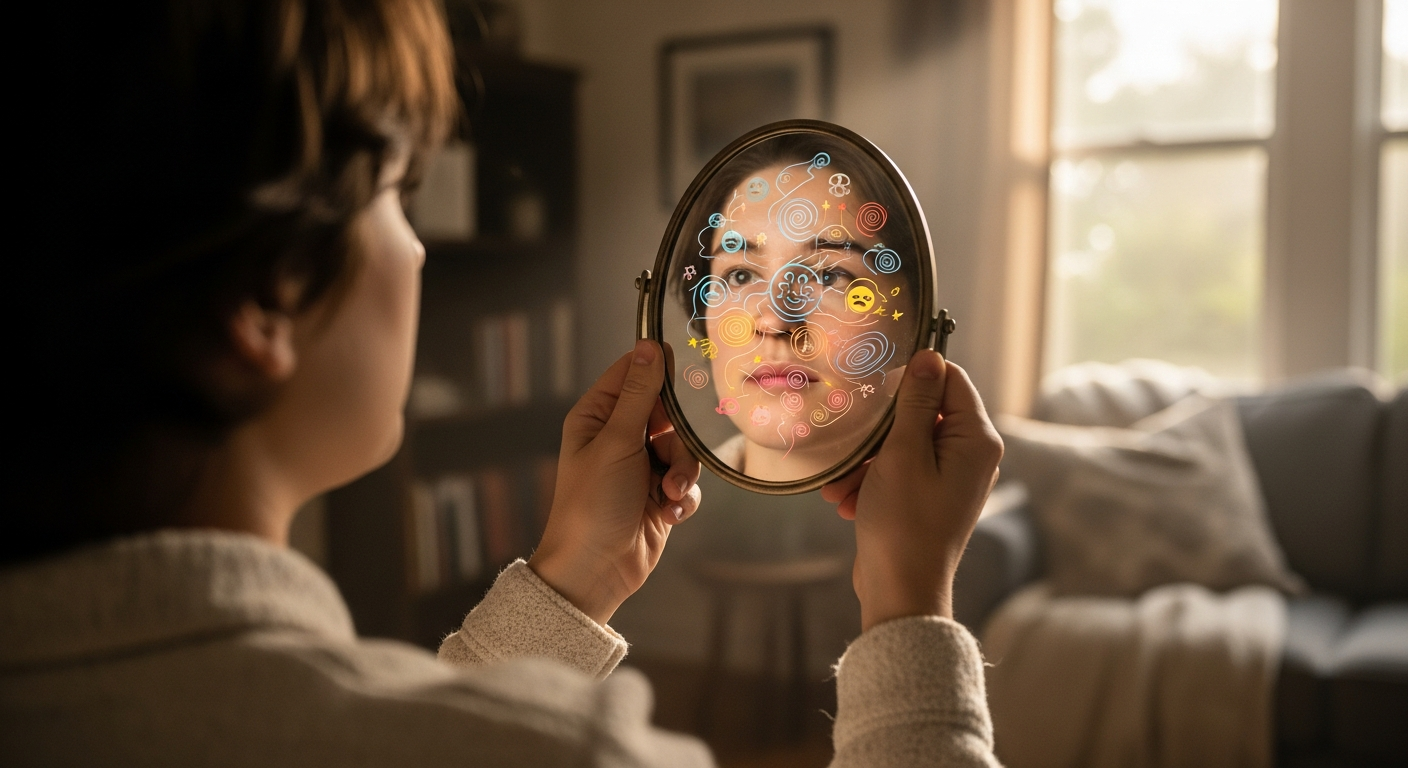
#### 1. The Mirror Lens: Look Inward, Not Outward
The moment you feel that snap judgment forming – whether it's about a "scary" face online, a "rude" driver, or a "lazy" colleague – pause.
Instead of immediately labeling the other person, turn the lens inward. Ask yourself:
* **"What bias am I projecting right now?"** (e.g., "Do I associate certain facial features with untrustworthiness because of media portrayals?")
* **"What emotional state am I in?"** (e.g., "Am I feeling stressed, anxious, or insecure, making me more prone to negativity?")
* **"Where have I seen this judgment before?"** (e.g., "Did I learn this stereotype from my upbringing, social media, or past experiences?")
This isn't about self-blame; it's about self-awareness. Recognizing the internal filter helps you detach from the immediate, often unfair, judgment.
For example, I realized my "evil face" selections often mirrored characters from thrillers I'd watched recently, not any objective truth.
This lens helps you understand that your perception is highly subjective and influenced by *your* internal world.
#### 2. The Context Lens: Seek Stories, Not Labels
Once you've acknowledged your internal filter, consciously shift your focus to seeking context.
Every person has a story, a background, a unique set of circumstances that shapes who they are and how they appear.
This doesn't mean excusing genuinely harmful behavior, but it does mean challenging the assumption that appearance equals character.
* **"What might be their story?"** (e.g., "Could that furrowed brow be a sign of chronic pain, deep thought, or cultural norms rather than malice?")
* **"What external factors might be at play?"** (e.g., "Is their 'unapproachable' demeanor a result of a challenging job, a language barrier, or simply a bad day?")
* **"What am I missing?"** (e.g., "If I only have a picture, what vital information about their life, personality, or intentions am I lacking?")
This lens encourages you to move beyond the superficial. It asks you to consider the unseen forces that shape a person.
I started looking at the "evil faces" with a new question: *What has this person experienced that might have etched these lines onto their face?* This simple shift transformed my perception from condemnation to curiosity.
#### 3. The Empathy Lens: Connect, Don't Condemn
The final, and most powerful, lens is about actively choosing connection over condemnation. This doesn't require you to agree with someone's actions or even like them.
It simply asks you to acknowledge their humanity, to find a point of shared experience, or to wish them well.
* **"What shared human experience might we have?"** (e.g., "We both experience joy, sorrow, fear, and hope. How does that connect us?")
* **"If I were in their shoes, what would I want?"** (e.g., "Would I want to be judged instantly, or understood?")
* **"Can I offer a moment of unspoken goodwill?"** (e.g., "Even if I don't understand them, can I silently wish them peace or strength?")
This lens is about extending grace. It's about recognizing that even the most "evil-looking" person is still a complex individual navigating their own life.
It's a conscious act of choosing not to perpetuate the cycle of judgment, but to inject a tiny bit of understanding into the world.
It’s a powerful practice that makes you feel more connected to humanity, not less.
Reclaiming Your Humanity: Try This Today
Applying The 3-Lens Protocol isn't a grand gesture; it's a series of small, consistent choices. Here's how you can start today, February 27, 2026:
1. **The 60-Second Reframe:** The next time you find yourself making an instant, negative judgment about someone (online, on TV, or in person), pause for 60 seconds. Spend 20 seconds on each lens:
* **Mirror:** What's going on *inside me* right now? * **Context:** What could be going on *for them* that I don't know?
* **Empathy:** Can I find one shared human quality, or silently wish them well?
2. **Observe Your Scroll:** Pay attention to how you react to faces on social media. Notice which ones trigger a quick judgment.
Practice the protocol there. Don't engage with the "evil face" game; instead, engage with your own internal reactions.
3. **Practice on Familiar Faces:** Start with people you know but sometimes misunderstand. Apply the lenses to family members, colleagues, or even fictional characters.
It's easier to practice when the stakes are lower.
This isn't about becoming a saint; it's about becoming more human. It's about building a stronger, more resilient sense of empathy within yourself, one conscious perception at a time.
The real "shocking proof" is that the game wasn't about identifying evil in others, but about uncovering the unconscious biases that were quietly destroying my own capacity for compassion.
And once you see it, you can't unsee it.
What's one snap judgment you've made that you later regretted, or that taught you a powerful lesson about perception? I’d love to hear — drop it in the comments.
---
Story Sources
From the Author



Hey friends, thanks heaps for reading this one! 🙏
If it resonated, sparked an idea, or just made you nod along — I'd be genuinely stoked if you'd show some love. A clap on Medium or a like on Substack helps these pieces reach more people (and keeps this little writing habit going).
→ Pythonpom on Medium ← follow, clap, or just browse more!
→ Pominaus on Substack ← like, restack, or subscribe!
Zero pressure, but if you're in a generous mood and fancy buying me a virtual coffee to fuel the next late-night draft ☕, you can do that here: Buy Me a Coffee — your support (big or tiny) means the world.
Appreciate you taking the time. Let's keep chatting about tech, life hacks, and whatever comes next! ❤️