I Quit This Billion-Dollar Brand Forever. It’s Actually Worse Than You Think.
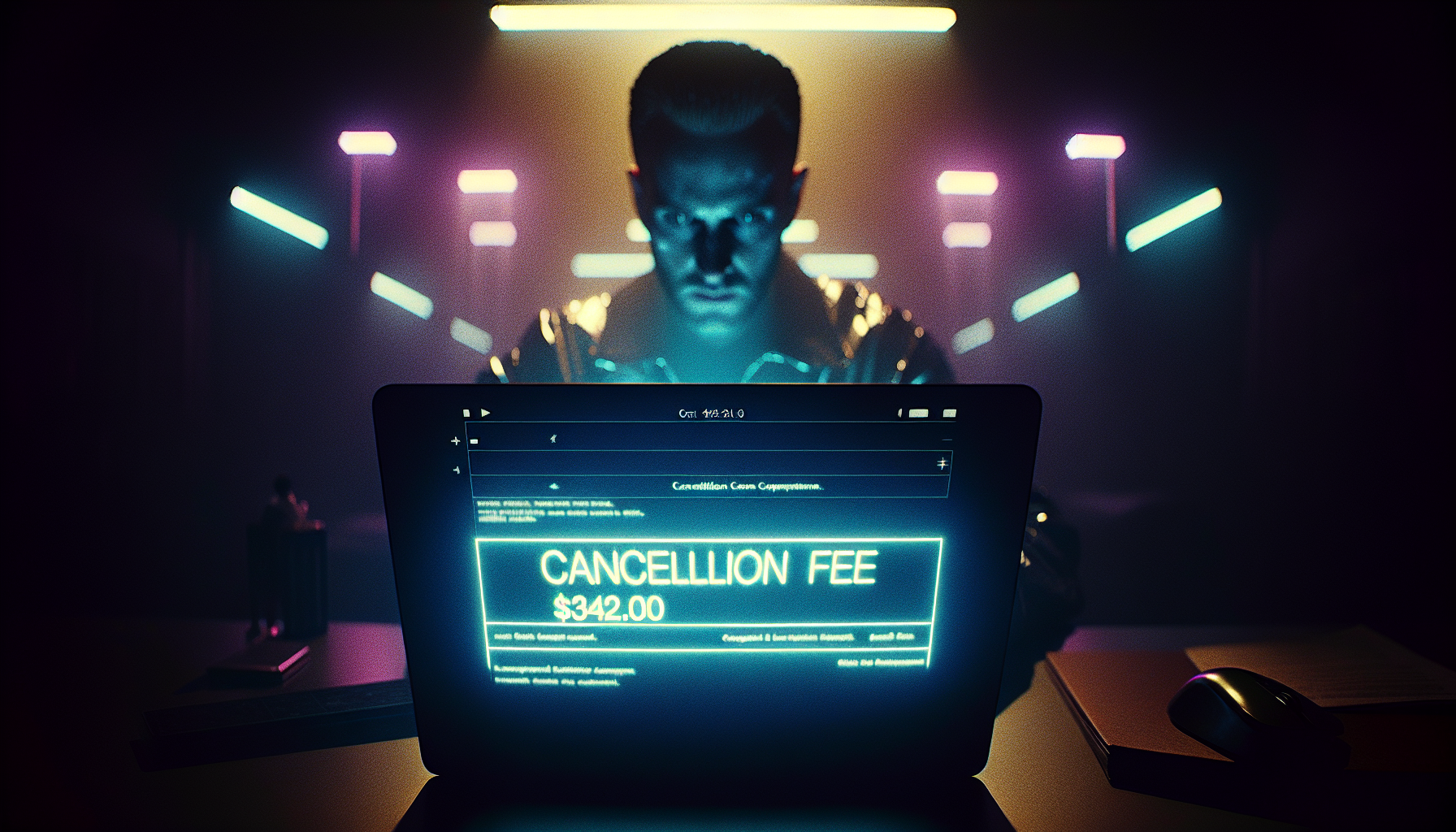
**I paid $342 to stop using a product I had already "bought" three times over.** It happened on a Tuesday morning in February 2026, and it wasn’t a mistake or a glitch.
It was the "Early Termination Fee" for a software suite I’ve used for fifteen years—a digital ransom note delivered in a clean, sans-serif font that effectively ended my relationship with a billion-dollar brand forever.
We’ve all been there, hovering our mouse over the "Confirm Cancellation" button, feeling that weird mix of liberation and absolute dread.
But this wasn’t just about the money; it was the realization that **I didn’t actually own a single thing I had created** over the last decade.
My portfolio, my archives, and my professional identity were all locked behind a monthly paywall that was quietly getting steeper while the service got more intrusive.
If you feel like your favorite brands are turning into overbearing landlords rather than helpful tools, you aren't imagining it.
The "Subscription-to-Hostage" pipeline is the defining business model of 2026, and it’s time we talk about the ugly reality of what happens when a company stops courting you and starts owning you.
The Day the "Creative" Cloud Turned Grey
For years, I was a brand evangelist for the big "A"—Adobe.
I learned to edit on Premiere, I "Photoshopped" my first high school crush into a picture of Paris, and I happily paid my monthly dues because that’s just what "pros" did.
But over the last eighteen months, the relationship shifted from symbiotic to parasitic.
It started with the "Terms of Service" update that hit in late 2024 and evolved into a full-blown crisis by 2025.
You probably remember the headlines: the quiet clause that gave the company **unrestricted access to your private, under-NDA work** to "improve their AI models." They weren't just selling me a hammer anymore; they were watching everything I built with that hammer so they could eventually build a robot to replace me.
When I tried to push back, I realized I was trapped in a digital panopticon. If I stopped paying, my files—years of .PSD and .PRPROJ projects—would become expensive paperweights.
**I was renting my own history,** and the rent was due every thirty days without fail.
The Rise of "Hostageware"
We are currently living through the era of "Hostageware." This is a specific evolution of Software-as-a-Service (SaaS) where the cost of leaving is intentionally engineered to be higher than the cost of staying, even when the product starts to fail you.
It’s a billion-dollar strategy designed to bypass the traditional rules of the free market.
In a healthy market, if a product gets worse, you buy something else.
But "Hostageware" brands like Adobe, BMW (with their infamous heated-seat subscriptions), and even certain smart-home ecosystems have realized that **inconvenience is more profitable than innovation.** By creating proprietary file formats and hardware locks, they ensure that "quitting" feels like moving houses in the middle of a blizzard.
The data backs this up.
A 2025 consumer report found that the average American now spends over $1,200 a year on digital subscriptions they "can't easily cancel." These brands aren't winning on merit; they're winning because they’ve built better cages.
Why 2026 Is the Breaking Point for the "Pro-sumer"
Something changed in the cultural zeitgeist this year.
Maybe it’s the fact that **ChatGPT 5 and Claude 4.6 can now generate entire workflows** that bypass traditional software silos, or maybe we’re just exhausted by the "nickel-and-diming" of our digital lives.
We're seeing a mass exodus from "prestige" brands toward leaner, more ethical alternatives.
I call this "The Great Decoupling." It’s the moment a user realizes that the "Industry Standard" is actually just an "Industry Tax." When I finally looked at my workflow, I realized I was paying for a 50-pound Swiss Army knife when I only ever used the scissors.
The brands we grew up with are betting that we’re too lazy to change our habits.
They think the "friction" of learning a new tool like Affinity Photo or DaVinci Resolve is enough to keep us paying the "Loyalty Tax" forever.
**They are betting against our autonomy,** and for a long time, they were winning.
Introducing: The Digital Sovereign Protocol
When I decided to "divorce" my billion-dollar brand, I didn't just delete the app and hope for the best. I had to develop a system to reclaim my data without losing my mind.
If you're feeling trapped by a brand—whether it's a software suite, a social media platform, or a hardware ecosystem—you need a framework to get out safely.

I call this **The Digital Sovereign Protocol.** It’s a three-step process to transition from a "tenant" to an "owner" of your digital life.
1. The Interoperability Audit
Before you cancel anything, you must identify your "Lock-in Points." For me, it was my proprietary file formats. **Stop saving work in "closed" formats** today.
Start exporting your archives into "Universal" formats—TIFFs instead of PSDs, Markdown instead of proprietary doc formats, and high-bitrate MP4s or ProRes instead of project files.
If you can’t open it in a free, open-source tool, you don’t own it.
2. The Bridge-Tool Phase
Don't quit "cold turkey" on a Monday morning when you have a deadline. Spend thirty days using a "Bridge Tool"—an alternative that respects your ownership.
I started using **Claude 4.6 to script my file conversions** and spent an hour every evening in DaVinci Resolve.
By the time I hit "Cancel" on Adobe, I had already proven to myself that my talent wasn't tied to their toolbar.
3. The Decoupling Strike
Once your data is safe and your skills are portable, you make the move. This is the "burn the boats" moment.
When the customer service rep offers you "three months free" to stay, remember: **they aren't being generous; they're buying more time to lock you in.** The $342 fee I paid was a "freedom tax," and it was the best money I spent all year.
The "Ugly" Side of Freedom
I want to be honest with you: the first week after I quit was frustrating. My muscle memory kept searching for shortcuts that weren't there.
I felt a weird "status anxiety"—was I still a "professional" if I didn't have the "standard" icons in my dock?
This is the psychological trick these billion-dollar brands play on us. They’ve successfully linked their logos to our professional self-worth.
But here’s the secret I found after thirty days of being "brand-free": **No one cares what tool you used to build the thing, as long as the thing is great.**
In fact, my work improved. Without the "feature bloat" of a software suite that was trying to be everything to everyone, I went back to the basics. I focused on composition, storytelling, and craft.
I stopped fighting the software and started using it.
The Future Is "Small, Fast, and Local"
As we move toward 2027, the trend is clear. The "Monolith" brands are stumbling because they’ve become too heavy, too greedy, and too invasive.
The most exciting tools I’m using right now aren't from Silicon Valley giants; they’re from small, independent teams who charge a one-time fee and stay out of my data.
We are seeing a return to "Local-First" computing.
Thanks to the power of local AI models like **Gemini 2.5 Flash**, we can now do things on our own machines that used to require a massive cloud server.
**The "Cloud" was a convenience that turned into a leash.** Now, the leash is snapping.
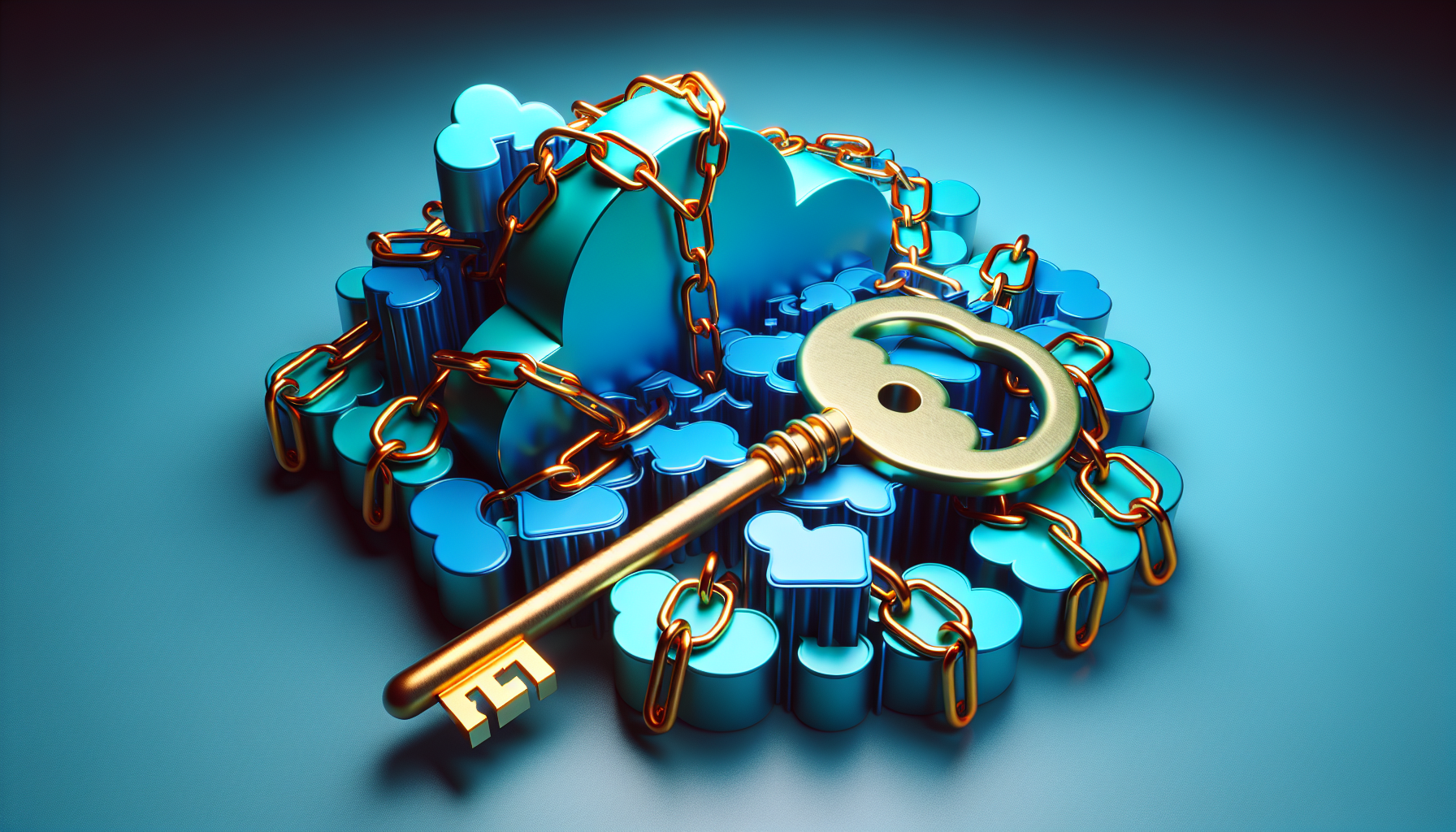
If a brand is making you feel small, or if they’re charging you for the "privilege" of training their AI on your hard work, it’s time to look at the exit sign.
It will be expensive, it will be annoying, and it will challenge your habits. But the feeling of opening a file and knowing it belongs to *you*? That’s priceless.
What Brand Have You "Divorced"?
We’ve all had that "final straw" moment. Maybe it was a hardware company that bricked your device with an update, or a streaming service that doubled its price while removing your favorite show.
**Which billion-dollar brand lost you forever, and what was the specific moment you knew it was over?** I’m not looking for "brand bashing"—I want to know how you handled the transition.
Did you find a better alternative, or are you still looking for a way out? Let’s talk about it in the comments. We’re all trying to navigate this "Hostageware" world together.
***
Story Sources
From the Author


Hey friends, thanks heaps for reading this one! 🙏
Appreciate you taking the time. If it resonated, sparked an idea, or just made you nod along — let's keep the conversation going in the comments! ❤️