Finland looks to introduce Australia-style ban on social media - A Developer's Story
The Nordic Firewall: Why Finland's Social Media Ban for Kids Signals a Global Tech Reckoning
What happens when one of the world's happiest nations decides social media is making its children miserable?
Finland — the country that gave us Nokia, Linux, and consistently tops global education rankings — is preparing to follow Australia's lead in banning social media for users under 16.
This isn't another "think of the children" moral panic.
It's a calculated response from a nation that rarely makes impulsive policy decisions, backed by mounting evidence that something has gone terribly wrong with how we've engineered digital childhood.
For developers and tech professionals, this isn't just another regulatory headache. It's a fundamental challenge to the growth-at-all-costs model that's powered Silicon Valley for two decades.
The Nordic Paradox Meets Digital Reality
Finland's potential ban arrives at a fascinating cultural intersection.
This is a country that pioneered digital literacy education, introduced coding to elementary schools before most nations knew what GitHub was, and maintains one of the world's highest rates of internet penetration.
Yet Finnish health officials report a mental health crisis among teenagers that correlates almost perfectly with smartphone adoption curves.
The proposed legislation would mirror Australia's landmark law, which passed in November 2024 despite fierce opposition from Meta, TikTok, and other platforms.
Under the Australian model, social media companies face fines up to $50 million AUD for failing to prevent under-16s from creating accounts.
Finland's version would likely adopt similar penalties, adjusted for EU regulatory frameworks.
What makes Finland's move particularly significant is its timing. The country isn't reacting to a single scandal or viral incident.
Instead, Finnish policymakers have spent years studying what they call "the digital environment's impact on childhood development." Their conclusion? The current model is fundamentally broken.
Dr. Mika Koskinen, who advises Finland's Ministry of Education, put it bluntly in a recent interview: "We taught our children to code before teaching them to cope with algorithmic manipulation."
The Technical Challenge Nobody Wants to Solve
Here's where things get interesting for developers. Age verification at scale is a nightmare that makes GDPR compliance look like a weekend hackathon project.
The Australian law requires "reasonable steps" to verify age, but deliberately avoids mandating specific technologies.
Finland's approach will likely be similar, leaving tech companies to figure out implementation.
The options are all problematic:
**Government ID verification** would work but creates massive privacy concerns. Imagine handing over your passport to TikTok.
The data breach potential alone should make any security professional break out in cold sweats.
**Biometric age estimation** using AI to analyze faces is improving but still unreliable.
It also raises serious concerns about building databases of children's biometric data — exactly the opposite of what these laws intend to achieve.
**Third-party verification services** could act as intermediaries, but this just moves the privacy problem one step removed. Plus, it creates a new attack surface for hackers targeting youth data.
The technical challenge extends beyond verification. Platforms would need to implement these checks globally or risk regulatory arbitrage.
A Finnish teenager could simply VPN to Sweden and sign up normally. This means companies face a choice: implement age verification worldwide or build increasingly complex geo-fencing systems.
Meta's response to Australia's law reveals the industry's hand. They've proposed using "existing age indicators" like the age users claim when signing up.
If that sounds like doing nothing with extra steps, you're not wrong.
But Finland might not accept such weak compliance.
The EU's regulatory environment, particularly with the Digital Services Act already in force, gives Finnish authorities more leverage than their Australian counterparts.
The Algorithm Problem Nobody's Discussing
Beyond age verification lies a deeper issue that Finland's ban attempts to address: the fundamental incompatibility between social media algorithms and developing brains.
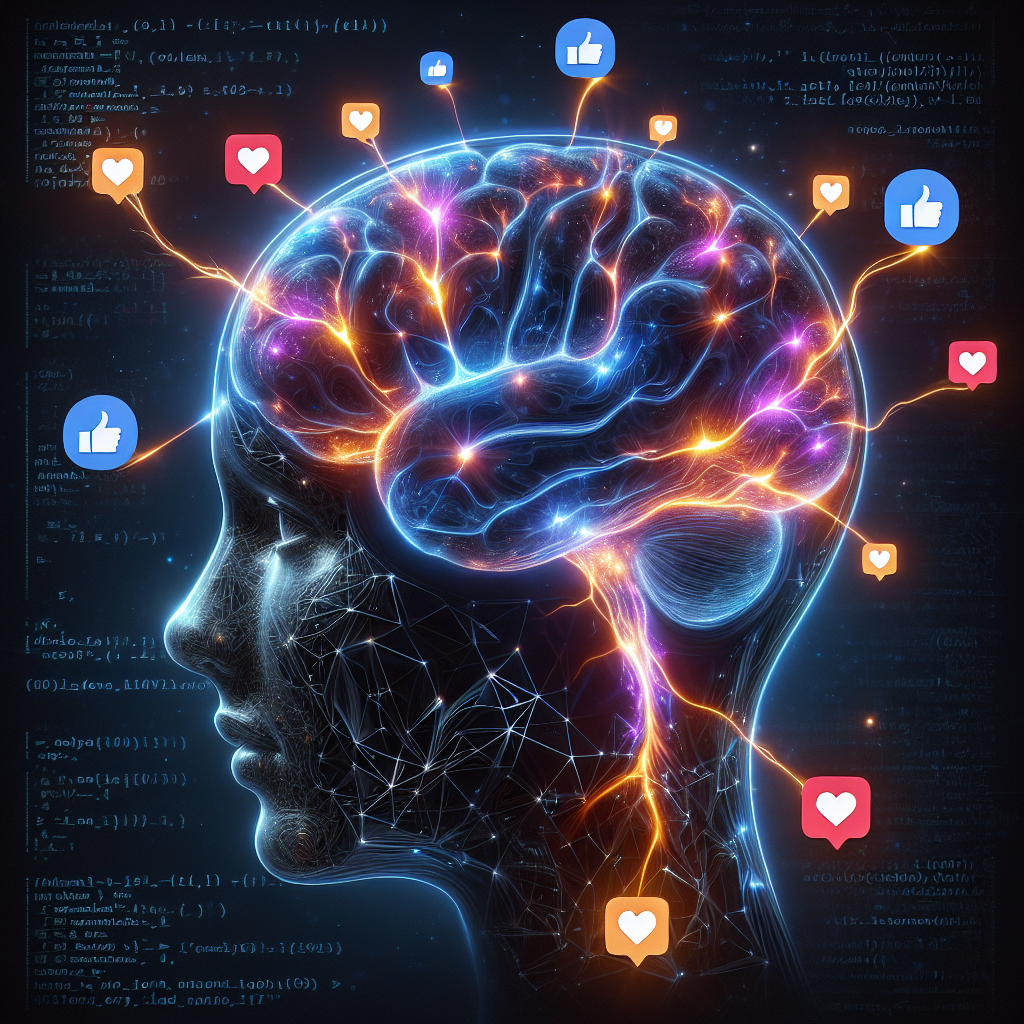
Modern recommendation systems are essentially dopamine slot machines, optimized for engagement above all else.
They're particularly effective on teenagers, whose prefrontal cortexes won't fully develop until their mid-twenties.
The same neural pathways that make teenagers excellent at learning new skills also make them vulnerable to addictive design patterns.
Finnish researchers have documented what they call "algorithmic grooming" — not in the predatory sense, but in how platforms systematically shape user behavior through variable reward schedules.
The same techniques casinos use to keep people at slot machines now live in every teenager's pocket.
Consider TikTok's algorithm, widely regarded as the industry's most sophisticated.
It can determine user interests within minutes and create what researchers call "interest rabbit holes" — increasingly specific content that keeps users scrolling.
For adults, this might mean an evening lost to woodworking videos. For teenagers, it could mean gradual exposure to eating disorder content, extremist politics, or self-harm communities.
The technical excellence of these systems makes them particularly dangerous. They're not broken; they're working exactly as designed.
The problem is what they're designed to do.
Why This Matters for the Tech Industry
Finland's ban represents something bigger than another European regulation. It's a rejection of the Silicon Valley consensus that connecting everyone, everywhere, all the time is inherently good.
For developers, this creates both challenges and opportunities:
**New markets for privacy-first platforms**: If mainstream social media becomes 16+, there's suddenly room for age-appropriate alternatives.
Think Discord for kids, but with actual safety features built from the ground up.
**Authentication infrastructure demand**: Companies that solve age verification without compromising privacy could build the next Stripe-sized business. The market need is obvious; the solution isn't.
**Regulatory complexity as a moat**: Larger companies might actually benefit if compliance becomes complex enough to shut out smaller competitors. This could accelerate social media consolidation.
The industry response will be telling. In Australia, platforms threatened to pull out entirely rather than comply.
They didn't. The markets are too valuable, and the precedent of capitulating to China's much more stringent requirements makes resistance look hypocritical.
Finland's ban could trigger a cascade. Norway and Denmark are already considering similar measures.
If the entire Nordic region implements bans, it becomes harder for the EU to ignore the issue. The Digital Services Act already requires platforms to assess and mitigate risks to minors.
Age bans might become the simplest compliance path.
The Unintended Consequences Already Emerging
Australia's ban, while recent, already shows signs of unintended effects that Finnish policymakers should note.
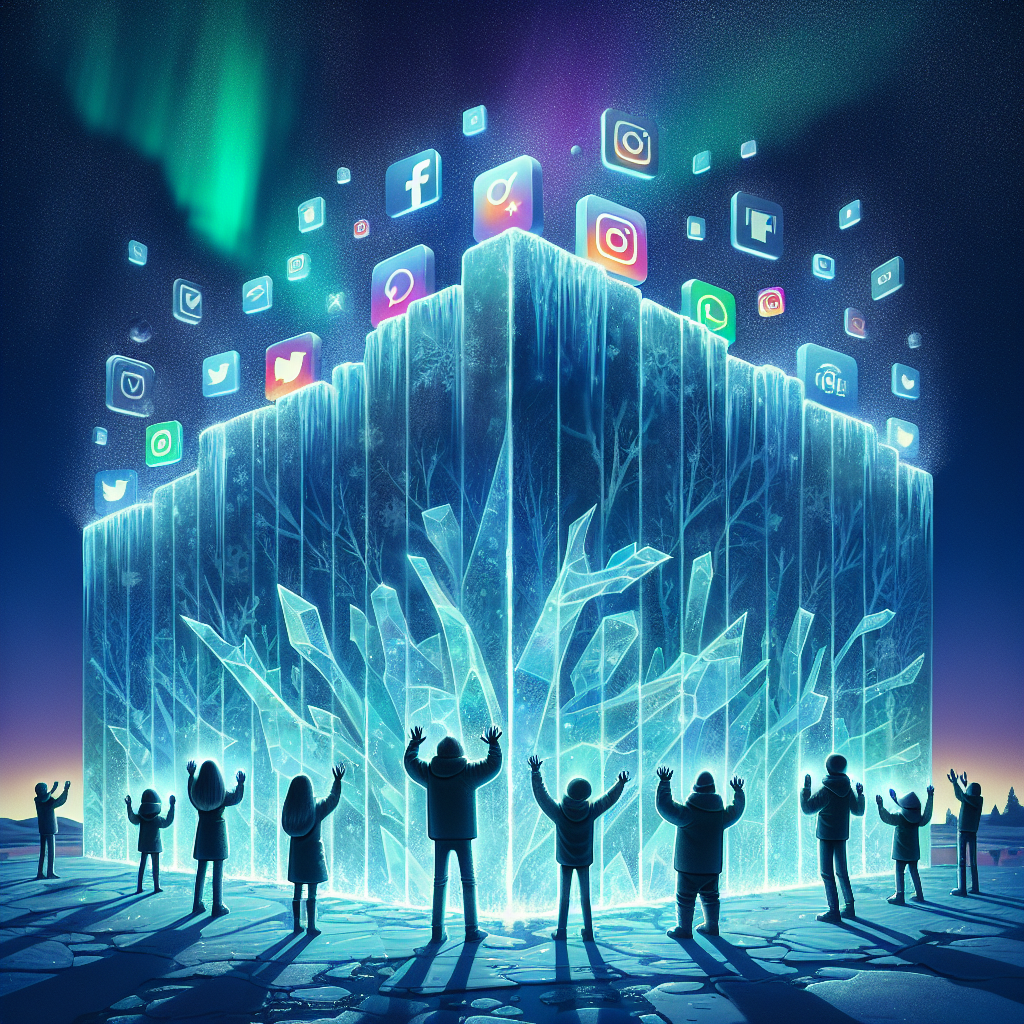
VPN usage among Australian teenagers has spiked 30% since the law's announcement. Kids aren't stupid; they're digital natives who've been circumventing parental controls since elementary school.
The ban might simply push teenage social media use underground, making it harder for parents to monitor and guide.
There's also the isolation problem. For LGBTQ+ youth in conservative areas, online communities provide crucial support.
For teenagers with niche interests or disabilities, social media offers connection impossible to find locally. Finland's strong social safety net might mitigate this, but the concern remains valid.
The economic impact on content creators is another consideration. Many successful influencers started creating content as teenagers.
Under these bans, the next Emma Chamberlain or MrBeast would need to wait until 16 to begin building an audience.
This might not sound significant, but it represents billions in future economic activity.
What Comes Next
Finland's ban, if implemented, will likely include provisions Australia's doesn't. The Finnish approach typically emphasizes education alongside restriction.
Expect mandatory digital literacy curricula, not just age gates.
The country might also pioneer "graduated access" — allowing limited social media use with increasing permissions as teenagers mature.
This mirrors Finland's approach to driving licenses and alcohol, where privileges expand with age and demonstrated responsibility.
For the tech industry, the writing is on the wall. The era of unrestricted access to social media is ending, at least for minors.
The question isn't whether more countries will implement bans, but how quickly and how strictly.
Smart companies are already adapting. Instagram's "Teen Accounts" with enhanced privacy settings launched suspiciously close to Australia's ban announcement.
TikTok's under-18 restrictions have quietly expanded. These companies see regulation coming and want to shape it rather than react to it.
The real test will come in enforcement. If Finland follows through with meaningful penalties and regular audits, it could force genuine change.
If it becomes another GDPR — theoretically strict but practically ignored — nothing will change except compliance budgets.
What's certain is that the relationship between children and technology is being fundamentally renegotiated.
Finland's ban represents one answer to an impossible question: How do we protect children from systems designed to be irresistible?
For those of us building these systems, it's time to ask whether "can we" should automatically mean "should we." Finland is betting the answer is no.
And given their track record on education and social policy, the rest of the world should probably pay attention.
---
Story Sources
From the Author


Hey friends, thanks heaps for reading this one! 🙏
If it resonated, sparked an idea, or just made you nod along — I'd be genuinely stoked if you'd show some love. A clap on Medium or a like on Substack helps these pieces reach more people (and keeps this little writing habit going).
→ Pythonpom on Medium ← follow, clap, or just browse more!
→ Pominaus on Substack ← like, restack, or subscribe!
Zero pressure, but if you're in a generous mood and fancy buying me a virtual coffee to fuel the next late-night draft ☕, you can do that here: Buy Me a Coffee — your support (big or tiny) means the world.
Appreciate you taking the time. Let's keep chatting about tech, life hacks, and whatever comes next! ❤️